
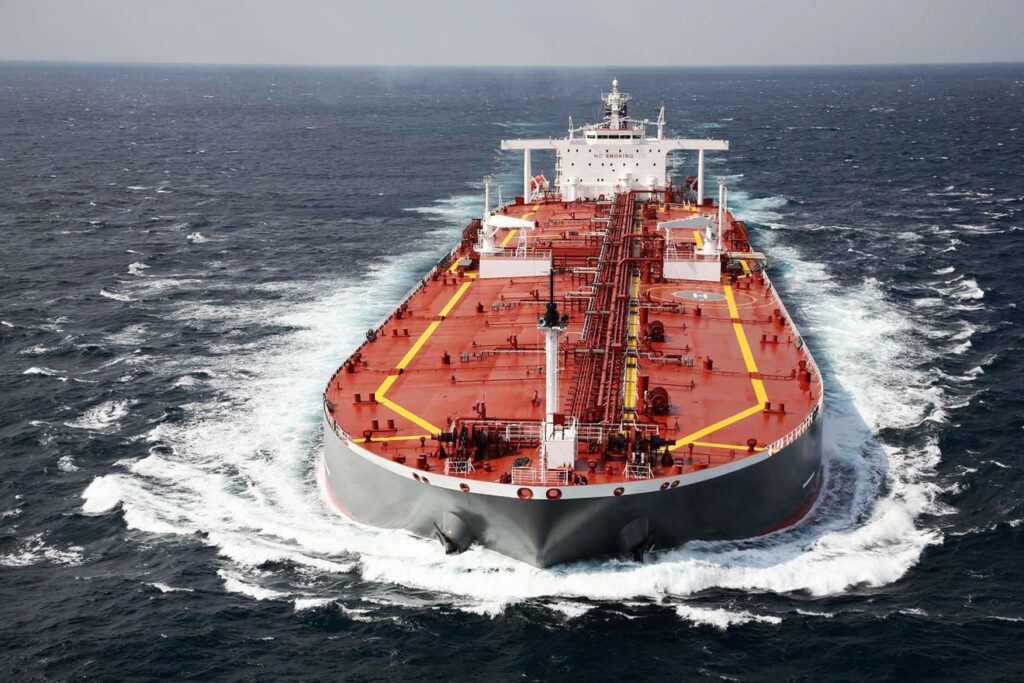
DUBAI, July 8 — The Strait of Hormuz, a 33-kilometer-wide waterway between Iran and Oman, connects the Persian Gulf to the Gulf of Oman and the Arabian Sea. It is one of the world’s most strategically important choke points. About 20% of the world’s petroleum passes through it daily.
In 2023, that worked out to roughly 17 million barrels per day, according to the US Energy Information Administration. Major oil producers including Saudi Arabia, Iraq, Kuwait, the UAE, and Qatar rely on it for exports.
The practical upshot? If that flow gets interrupted, the effects hit fast and hard.
A narrow passage with outsized consequences
The strait’s narrowest point is 33 kilometers wide. Its depth is about 60 meters. In plain terms, there isn’t much room for error, and there certainly isn’t room for a military confrontation without immediate consequences for global shipping.
Iran has threatened to close the strait during past periods of tension, including in 2012 and again in 2019. Those threats aren’t new, but they carry real weight because of geography.
Iran sits on one side of the strait, Oman on the other.
What a blockade would mean, in plain terms
A blockade wouldn’t just be a problem for oil tankers. Here’s the so-what: when the strait gets disrupted, oil prices spike. We saw it in 2019, when attacks on Saudi Aramco facilities sent prices up 15%.
That’s not an abstract number — it means higher gasoline prices, higher costs for shipping goods, and eventually higher prices on store shelves. The US Fifth Fleet, based in Bahrain, has the job of keeping the strait open.
That’s a mission the Navy has taken seriously for decades. In 2023, the US and UK conducted joint naval exercises in the region, a clear signal that both countries view the strait’s security as a priority.
The players and their stakes
For the oil-producing Gulf states, the strait is their economic lifeline. Saudi Arabia, Iraq, Kuwait, the UAE, and Qatar all rely on it for exports. If it closes, they can’t just reroute — there’s no practical alternative pipeline capacity to handle that volume.
For Iran, the strait represents leverage. Tehran has used the threat of closure as a bargaining chip during past tensions.
The 2012 and 2019 threats were part of broader confrontations with the US and its allies. For the US, keeping the strait open is a core strategic commitment. The Fifth Fleet’s presence in Bahrain is permanent, and the Navy regularly patrols the area.
The 2023 joint exercises with the UK underscored that Washington sees this as a shared responsibility with allies.
What to watch next
With tensions in the region remaining high, the key question is whether Iran will again threaten to close the strait — and whether the US and its partners will respond with additional naval deployments. The 2019 price spike showed markets are sensitive to even the hint of a disruption. A full blockade would be a different order of magnitude entirely.
For now, the strait remains open, and the oil keeps flowing. But the 33-kilometer waterway remains the world’s most concentrated chokepoint for energy supplies, and everyone with a stake in global oil prices is watching closely.




