
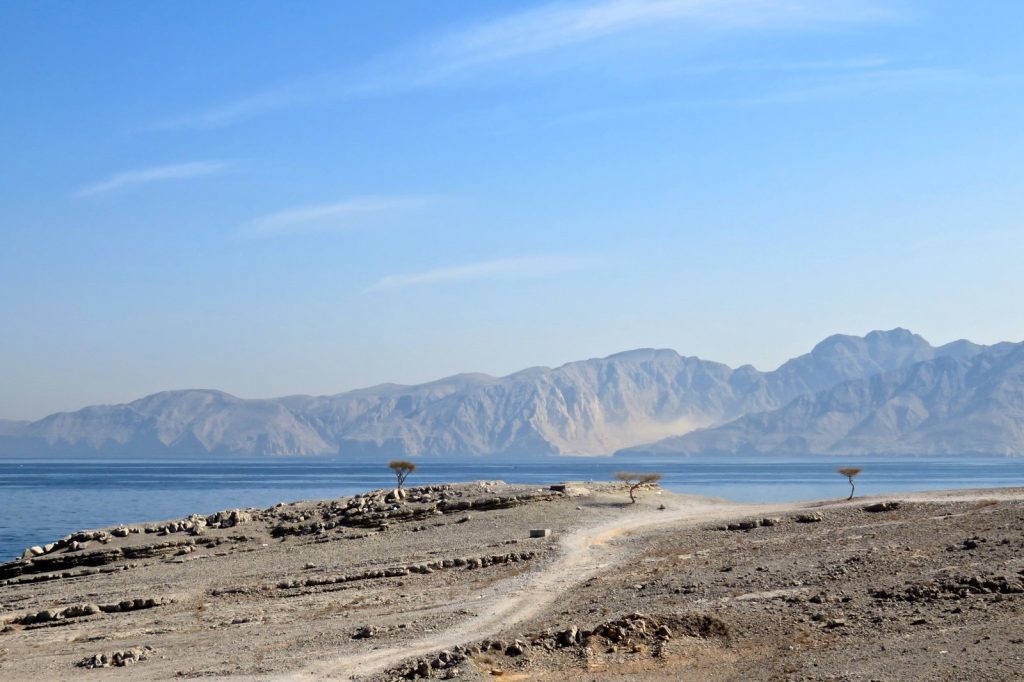
WASHINGTON, July 8 — A 21-mile-wide maritime chokepoint, the Strait of Hormuz, carries roughly 17 million barrels of oil daily, according to the Energy Information Administration. That volume, recorded in 2024, represents about 20% of global petroleum consumption. The waterway, wedged between Iran and Oman, connects the Persian Gulf to the Gulf of Oman and the Arabian Sea.
The strategic significance of this narrow passage is difficult to overstate. Saudi Arabia, Iraq, Kuwait, and the United Arab Emirates all depend on the strait to move their crude to international markets.
The U.S. Navy’s Fifth Fleet, stationed in Bahrain, maintains a patrol presence in the area. On the timeline of regional tensions, the strait has repeatedly emerged as a flashpoint.
A History of Threats
Iran has threatened to close the Strait of Hormuz in past conflicts. The record shows such threats during the Iran-Iraq War, which ran from 1980 to 1988. More recently, after the United States reimposed sanctions on Tehran in 2018, Iranian officials again raised the prospect of shutting the waterway.
A closure would disrupt supplies from the major Gulf producers that rely on the strait for export. In 2019, attacks on two oil tankers near the strait raised tensions.
The incidents drew international attention and a heightened military response. No specific attribution for those attacks appears in the source material, but the event itself is documented as a moment of increased risk.
Alternative Routes and Limited Capacity
The Energy Information Administration notes that alternative routes exist, but their capacity is limited. The 745-mile East-West Pipeline in Saudi Arabia offers one such bypass, moving oil from the kingdom’s eastern fields to Red Sea ports. That pipeline, however, has limited capacity relative to the volume that transits the strait each day.
Other pipeline projects in the region face similar constraints, leaving the global market heavily dependent on the free passage of tankers through Hormuz. The math is stark.
With 17 million barrels moving through a 21-mile channel each day, any disruption—whether from military action, sabotage, or political brinkmanship—would send immediate shockwaves through energy markets. The EIA’s data underscores the strait’s status as the world’s most important oil chokepoint.
What to Watch Next
For now, the Strait of Hormuz remains open. The tankers keep moving. But the history of threats, the 2019 attacks, and the limited pipeline alternatives all point to a single reality: this narrow stretch of water is where global energy security meets its most concentrated risk.
{“@context”: “https://schema.org”, “@type”: “NewsArticle”, “headline”: “The Strait of Hormuz: World’s Most Critical Oil Chokepoint”, “description”: “WASHINGTON, July 8 — A 21-mile-wide maritime chokepoint, the Strait of Hormuz, carries roughly 17 million barrels of oil daily, according to the Energy Information…”, “datePublished”: “2026-07-08T09:30:00+00:00”, “author”: {“@type”: “Person”, “name”: “Ariel Antonio”}, “publisher”: {“@type”: “Organization”, “name”: “InfoPulse Today”, “url”: “https://newsfeed.infopulsetoday.com/”}}




