
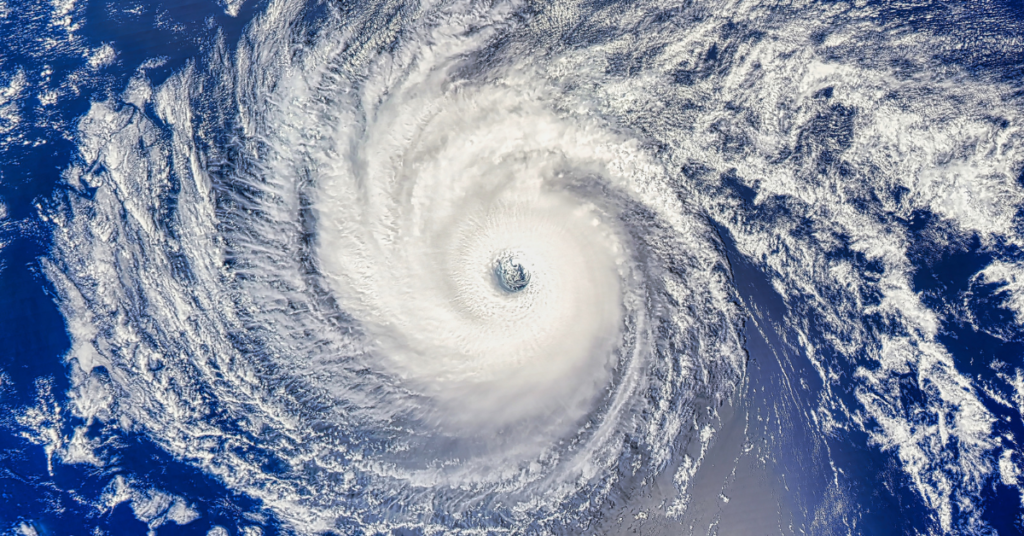
Hurricane Helene’s arrival in Georgia on September 27 was not unexpected. Meteorological agencies had monitored the storm’s trajectory across the Caribbean, forecasting its path and intensity. Despite these warnings, the state faced devastating consequences when the system crossed from Florida as a Category 2 hurricane, sustaining winds of 110 miles per hour. The storm had already caused significant damage in Florida’s Big Bend region before moving inland.
Georgia became the next phase of Helene’s progression, as the hurricane carried moisture from the ocean and energy from the Gulf deep into the Piedmont area. The National Hurricane Center had issued alerts, and Georgia’s governor had declared a state of emergency prior to the storm’s arrival.
These preparations proved insufficient against the storm’s force. High winds tore roofs from buildings, while heavy rainfall transformed streets into floodwaters. The death toll in Georgia has reached 37 individuals.
Victims were recovered from flooded residences, vehicles trapped on submerged roadways, and other locations where water levels rose rapidly. While the hurricane’s winds caused structural damage to buildings and trees, the most lethal aspect was the flooding.
Flash flooding developed gradually, rising without dramatic warning signs. In Atlanta, the state’s largest city, residents evacuated as water levels climbed. The city’s emergency services worked to relocate people from danger zones, though the metropolitan area’s size, extensive highway system, creek networks, and aging drainage infrastructure prevented complete evacuation within a single day.
Many residents remained, and some lost their lives. The Federal Emergency Management Agency has been deployed to Georgia, following standard procedure after a disaster declaration.
This process involves bureaucratic steps as well as direct assistance to affected areas. The U.S. president has promised federal support, a customary pledge following such events. Georgia residents now await the implementation of these commitments.
Helene’s Category 2 classification indicates winds ranging from 96 to 110 miles per hour, capable of causing extensive home damage, downing trees that block roads for extended periods, and causing power outages lasting weeks. While not the most severe hurricane category, it proved lethal across the state.
The storm continued moving inland after crossing the Georgia border, carrying destruction into communities unaccustomed to hurricane-force winds. Official statements describe emergency services working tirelessly, though workers face exhaustion, operating on limited sleep and adrenaline while attempting to reach areas with washed-out roads and fallen cell towers. Georgia now faces an extended recovery period.
Damage encompasses destroyed homes, demolished businesses, and infrastructure including roads, bridges, and power lines requiring reconstruction. State government, federal agencies, and local communities will address these challenges for years.
The storm itself lasted a day, but its aftermath continues. September 27 now marks a dividing line between normalcy and devastation for Georgia residents, who brace for the ongoing effects of the hurricane’s passage.




