
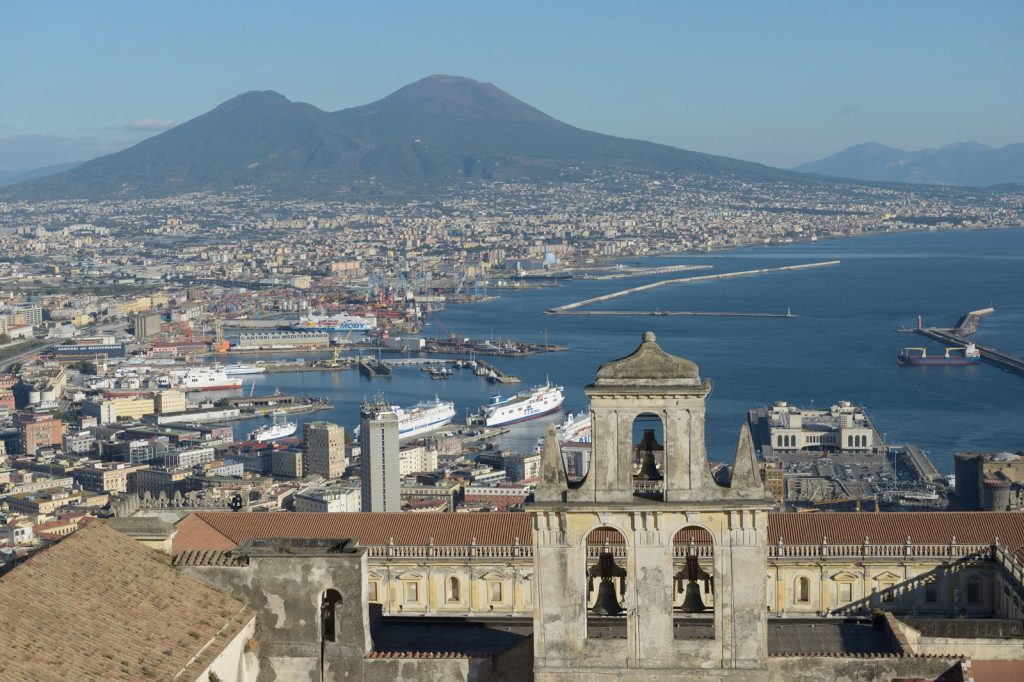
On September 22, 2024 a two‑story structure in the historic centre of Naples gave way, resulting in three fatalities, three injuries and one person still unaccounted for beneath the rubble. The incident did not occur in isolation; the city’s ancient core, layered with Roman ruins, medieval churches and centuries‑old tenements, has long been described as a living archive that is now deteriorating. Naples rests on seismically active ground, and a large portion of its housing predates modern building regulations.
Authorities have been aware for years that thousands of structures are vulnerable, yet inspections remain sporadic and renovations costly. Residents frequently express anxiety about the safety of the ceilings above them.
Emergency crews are presently sifting through debris, while the injured receive hospital care and their conditions are monitored. The tragedy has revived older questions: how could a modest two‑story building cause three deaths, what was supporting it, and which other edifices might be imminently endangered? Similar concerns surfaced after earlier collapses.
In 2017 a four‑story building in the historic centre fell, killing eight. In 2020 a residential block in the Torre Annunziata suburb failed.
Each episode prompted demands for stricter scrutiny and pledges of reform, yet bureaucratic processes have proceeded slowly while the building stock continues to age. The problem extends beyond Naples. Across southern Italy, post‑World War II construction booms often sidestepped safety standards, employing inexpensive materials, limited oversight and, at times, corrupt practices. This legacy has produced fragile walls and hollow floors.
The 1980 Irpinia earthquake exposed thousands of unsafe edifices; four decades later many of those structures remain standing and still pose a threat. In response to the latest incident, local officials have promised resources, including counseling for affected families, financial assistance for the injured and support for the relatives of the missing person, who await news in anguish.
While these measures are necessary, they are viewed as insufficient without a broader reckoning with the built environment itself. Analysts stress that aging infrastructure does not collapse by chance; it fails when maintenance is deferred, inspections are omitted and safety investments are deemed too expensive. The three lives lost in Naples are therefore not an aberration but a foreseeable outcome of a system that has tolerated risk for decades.
The city’s cultural heritage — its narrow streets, pastel façades and piazzas smoothed by generations of footsteps — merits preservation, but preservation must not come at the cost of public safety. Responsible urban planning is presented not as an abstract ideal but as the concrete difference between a family returning home at night and a family standing behind a police cordon, hoping for news that may never arrive.
Rescue teams continue to search the wreckage, the missing person’s family clings to hope, and the injured receive treatment. However, the deeper work — systematically inspecting every vulnerable wall, enforcing all safety codes and financing essential repairs — has barely commenced. Naples has received another stark warning; the pressing question is whether it will heed it this time.




