
Program Gains Momentum Amid Longstanding Challenges
India’s pursuit of ethanol as a vehicle fuel dates back two decades. The country first introduced a pilot blending program in 2003, aiming to mix a modest share of the biofuel into petrol. Early efforts were hampered by erratic sugarcane harvests and disputes between sugar mills and oil companies over pricing. For years, blending rates remained stuck at a low level. Today, the government has set targets for further expansion in the coming years, steadily increasing the percentage of ethanol blended into gasoline.
Ethanol is a renewable alcohol fuel produced by fermenting plant sugars. In India, the vast majority of ethanol is distilled from molasses, a byproduct of sugar refining. More recently, the government has allowed production from surplus grain and directly from sugarcane juice. The core idea is straightforward: replace a portion of imported gasoline with domestically grown energy. This not only reduces dependence on foreign crude but also supports domestic agriculture by providing a market for farmers. Officials maintain that the program is calibrated to avoid shortages, emphasizing that only surplus agricultural output is used, not food supplies that would otherwise go to consumers.
Trade-Offs and Agricultural Resource Strains
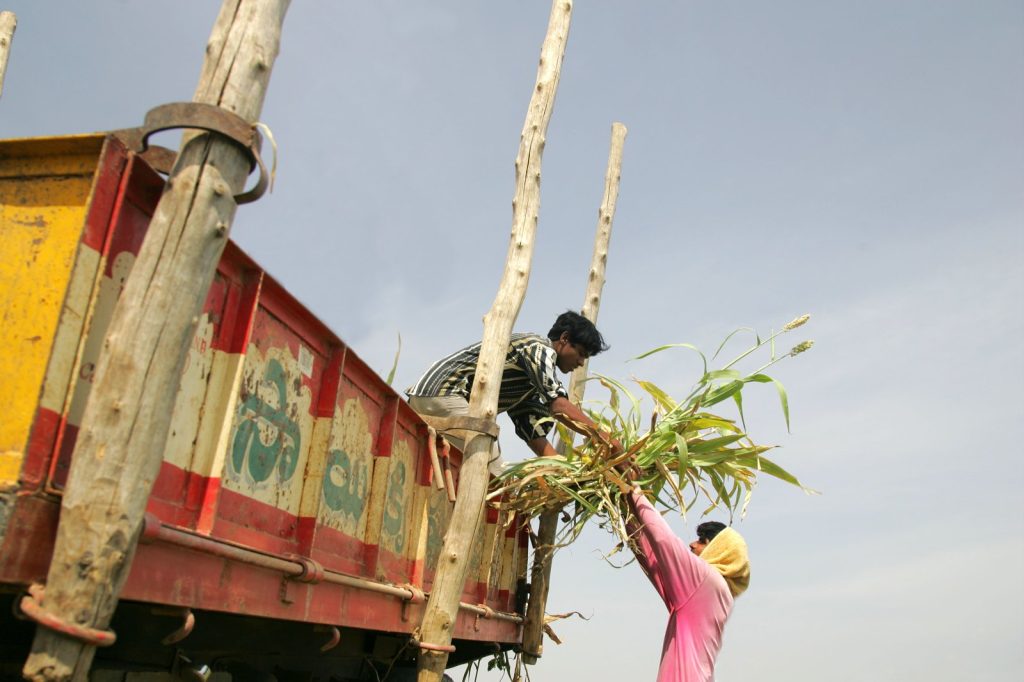
Critics have pointed to the heavy water consumption of sugarcane cultivation and the potential impact on food prices if land is diverted to fuel production. Sugarcane farming is water-intensive, raising concerns about sustainability in a country where water resources are already under pressure. Additionally, there is a risk that using agricultural land for ethanol feedstocks could reduce food crop output, potentially affecting food availability and prices. The government, however, maintains that it is using only surplus production for ethanol, not diverting resources away from food supplies. The balance between energy security and agricultural resource management remains a central question.
For ordinary Indian consumers, a higher ethanol blend at the pump could provide a slight cushion against international crude price movements, insulating domestic fuel prices somewhat from global shocks. But the trade-offs are real: water consumption and land use pressures must be managed carefully. The coming harvest season will offer the first real test of the program’s capacity to scale up production without straining agricultural resources.
Broader Energy Security Context
India’s ethanol push is part of a wider trend across Asia, where several governments are looking to biofuels as a way to cut import costs and bolster rural economies. The strategic context is clear: energy security has become a priority for nations that rely heavily on foreign crude. For India, the dependency on imported oil leaves the economy vulnerable to sudden price spikes and supply disruptions, a risk that has grown more acute as global energy markets have turned volatile in recent years.
By expanding its ethanol blending program, India aims to reduce its oil import bill while providing a reliable market for farmers. The program’s success or failure will shape the country’s energy mix for years to come. Whether India can scale up production fast enough to meet its blending targets without overstraining its agricultural resources remains an open question. The outcome of this balance will determine how effectively the nation can insulate itself from external energy shocks while maintaining food security and water sustainability.




