
A Chokepoint With Global Reach
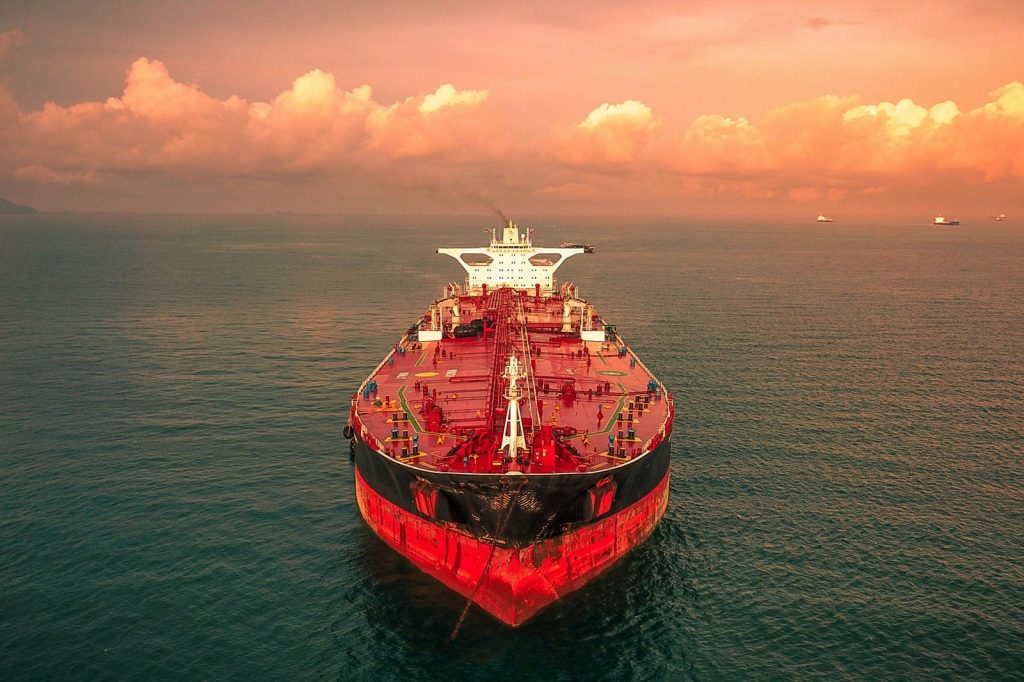
The Strait of Hormuz is a narrow maritime passage linking the Persian Gulf with the Gulf of Oman and the Arabian Sea, functioning as a critical chokepoint for the transit of crude oil and liquefied natural gas. Its strategic importance means that any closure—even a temporary one—can send ripples through global fuel supplies and drive up prices at the pump. The re-closure reported Friday, if sustained, would disrupt a trade route that carries a large share of the world’s seaborne oil.
The waterway has long been a flashpoint in the Persian Gulf. During the Iran-Iraq war in the 1980s, both sides attacked oil tankers in the channel, drawing the United States Navy into escort missions. In more recent years, incidents involving the seizure of commercial vessels and drone attacks have kept tensions high. Iran has periodically threatened to block the strait in response to Western sanctions or military pressure, using the route as a bargaining chip in diplomatic negotiations over its nuclear program.
For readers, the situation matters because the strait’s status directly affects the cost of heating homes, fueling cars, and powering industries. The security of the narrow channel, which connects the Gulf to the open ocean, has been a persistent concern for the world’s energy markets. Any sustained closure would have immediate consequences for global supply chains and consumer prices.
Tensions Rooted in Regional Rivalries
The current standoff reflects deeper regional rivalries that extend well beyond the waterway itself. Iran has linked the strait’s status directly to Israel’s military actions in Lebanon and the presence of American forces in the region. According to sources familiar with the situation, the presence of U.S. forces in the region has been a point of contention for Iran, and Israel’s refusal to leave Lebanon has further complicated matters. The re-closure of the Strait of Hormuz is a direct response to these issues.
The linkage shows how local conflicts can escalate into broader economic disruptions. Historically, the route has been used as leverage in diplomatic negotiations, and this latest action appears to follow that pattern. Iran’s decision to re-close the strait rather than engage in talks underscores the interconnected nature of the region’s crises—from the Israeli-Lebanese border to the Persian Gulf.
Path Forward Under Scrutiny
The U.S. administration will likely need to reassess its strategy in light of these developments. Secretary of State Marco Rubio may face increased pressure to address the situation and find a way to revive negotiations. The United States had taken steps to ease tensions, but Iran’s hardened stance now requires a diplomatic recalibration.
As the situation continues to unfold, it remains to be seen how the United States and its allies will respond to Iran’s actions. The re-closure of the Strait of Hormuz has significant implications for regional stability and global trade, making it a critical issue to watch in the coming days. Looking ahead, the key will be to see how the U.S. administration, in conjunction with its allies, can work to de-escalate tensions and find a path forward for negotiations. The situation is complex, with multiple factors at play, and a resolution will likely require careful diplomacy and strategic planning.




