
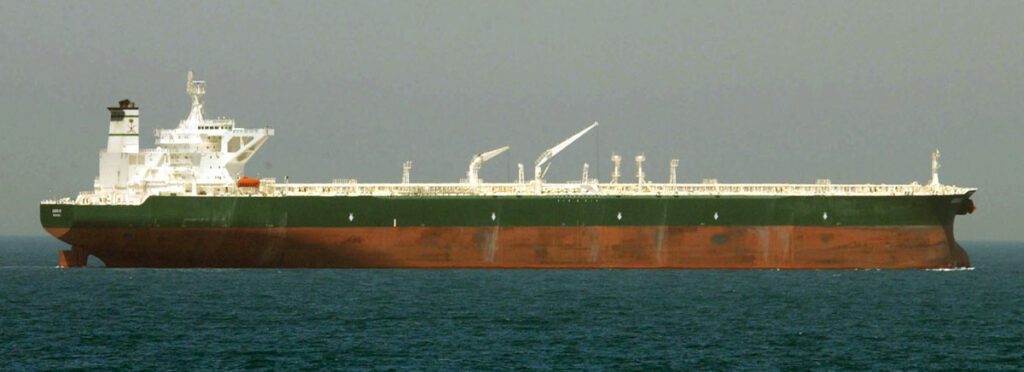
A March 2026 analysis from the trading platform Deriv opens with a blunt claim: the biggest threat that month to portfolios, grocery bills and even the phone in your pocket was not a border dispute but “a 33-km-wide strip of water.”
That strip is the Strait of Hormuz. Most coverage calls it an energy chokepoint, a label Deriv’s analysts describe as lazy. Oil is part of the picture. The cargo holds carry a good deal more.
What is in the cargo
Start with crude. Citing 2026 figures from the U.S. Energy Information Administration, the analysts say about 20% of the world’s oil production comes from behind the strait.
Helium is the less obvious exposure. The U.S. Geological Survey, as Deriv reads it, treats helium as a byproduct of natural gas extraction that cannot be made synthetically. Qatar is the world’s second-largest producer, so a blockade would take out about 34% of global supply. Hospitals use it to cool MRI machines. Chipmakers and aerospace firms need it too.
Sulfur follows a similar logic. Argus Media’s 2026 industry data puts the Gulf at roughly 25% of world output, a product of desulfurising oil and gas. Without sulfur there is no sulfuric acid, and that acid goes into phosphate fertiliser, tyre rubber and paper.
Gas and its derivatives add more. UNCTAD’s March 2026 Rapid Analysis finds that about 20% of the world’s liquefied natural gas consumption passes through the strait, mostly bound for Europe and East Asia. The International Fertilizer Association puts the region’s share of urea and nitrogen fertiliser output at 16%. Since gas is the feedstock for urea, Deriv notes, no gas means no fertiliser.
Local mega-refineries now turn out diesel, gasoline and jet fuel, about 16% of the world’s refined petroleum products according to International Energy Agency and OSW infrastructure reports. UNCTAD 2026 trade data adds that about 20% of the world’s liquefied petroleum gas, the cooking and heating fuel for hundreds of millions of people in Southeast Asia and India, moves the same way.
A world with no buffer
The analysts argue the timing is poor. The pandemic exposed just-in-time manufacturing as fragile, and the Russia-Ukraine war reset inflation, especially for energy and food. “Today, there is no buffer,” the note says.
Central banks have spent years fighting what Deriv calls the stickiest inflation in forty years. A Hormuz blockade would hit from the supply side, which rate policy cannot fix. In the analysts’ words, you cannot “interest rate” your way out of a 34% drop in helium or a 16% drop in fertilisers.
AI, crypto and the trader’s checklist
Deriv also sees trouble for the industries most associated with the future. AI data centres need cheap electricity and advanced chips. If LNG and oil prices spike, the note says, the cost of running compute becomes “astronomical” and could bankrupt smaller AI startups. A helium shortage would complicate the ultra-cold conditions certain chip lithography stages require, and the analysts warn of a multi-year “chip winter.” They point to the 2020 to 2023 shortage as a preview.
Crypto faces two pressures. Higher energy costs squeeze mining margins, which could push smaller miners out and concentrate the networks. And in a prolonged blockade, the analysts expect money to run toward gold or short-term treasuries, draining liquidity in a way that mirrors the 2022 crashes. Add hawkish Fed policy and, they write, a crypto winter is “almost certain.”
For traders, the advice is to look past Brent crude. Urea and potash prices should move before food prices do. Because helium does not trade on a standard exchange, Deriv suggests following the industrial gas sector and whether major suppliers can fill contracts. China is the wildcard: it is the largest importer of Gulf energy and the largest exporter of manufactured goods, so if its energy costs doubled overnight, the note says, the China H Shares index and global retail prices would take the hit.




