Crude oil traded at 102.95 USD a barrel on October 30, 2026, up 0.93% from the day before, and by Friday it was creeping toward $104. That is the highest since September 15, when it touched a four-month high of $105.83, according to Trading Economics.
The cause is Iran. Reports said a senior U.S. military commander had briefed President Donald Trump on options for renewed strikes, and Trump has repeatedly threatened more military action. Tehran confirmed it had received a letter from Vice President JD Vance meant to revive peace talks, but signalled it would not soften its position on ending the conflict. Two separate tanker incidents then raised tension around the Strait of Hormuz. Ukrainian forces reportedly hit a Russian refinery in the Samara region, and Moscow answered with another overnight attack.
Crude gained 15% in October. Over the past month it has risen 10.85%, and it stands 68.83% above its level a year ago, based on trading in a contract for difference that tracks the benchmark market.
Trading Economics expects 106.90 USD a barrel by the end of this quarter and estimates 123.86 in twelve months.
What the pump showed in March
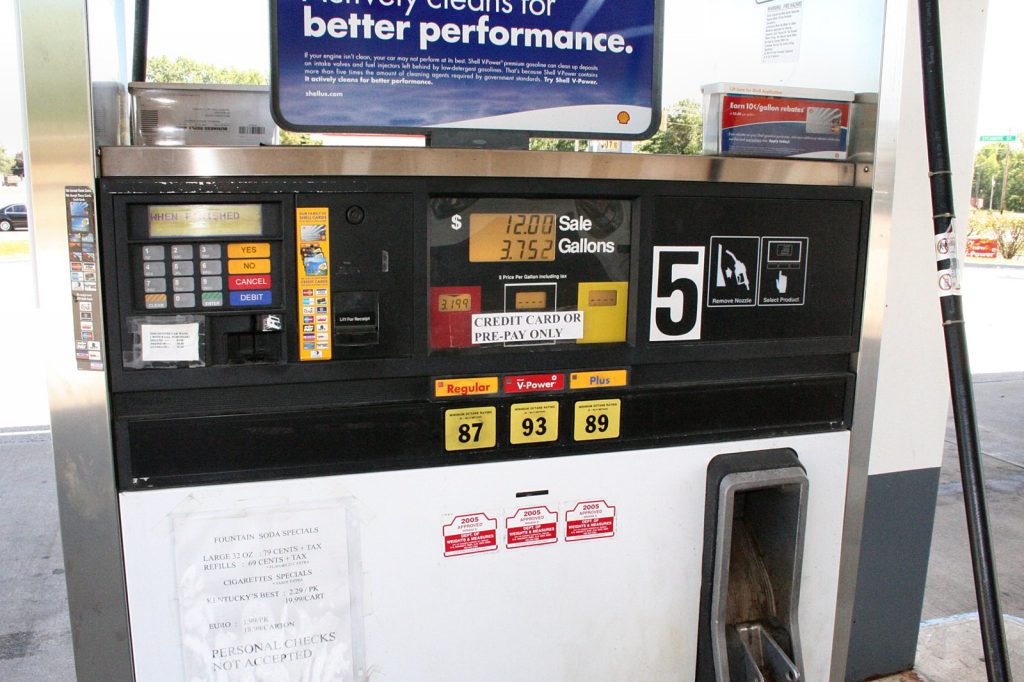
Drivers have seen this movie before this year. In mid-March, with oil above $100, the average U.S. gasoline price climbed to about $3.40 per gallon, according to The Economic Times. A week earlier it was $2.98, and a month before that, $2.90.
Fuel was only the first line item. The International Energy Agency says energy inputs, oil and natural gas included, can make up as much as 50% of variable production costs in advanced economies. So the bill spreads.
From the tractor to the checkout
Farmers run tractors, irrigation systems and harvesters on diesel and gasoline. Fertilisers and pesticides often rely on petroleum-based inputs. Food then travels by truck and cargo ship to reach shelves. The IEA estimates that energy can be up to half of total variable food production costs in developed economies, which is why long stretches of expensive oil tend to show up in grocery bills.
Plastics come next. Storage containers, toys and kitchen utensils are made from petrochemicals derived from crude, and so are polyester, nylon, acrylic and spandex. When feedstock costs rise, textile makers pay more, and clothing prices can follow. Packaging for food, toiletries and cleaning supplies is mostly plastic as well, and retailers often pass on that cost.
Home heating is exposed too. The U.S. Energy Information Administration reported heating oil up about $0.16 per gallon in a single week and roughly $0.40 from a year earlier, and warned the cost could climb further if crude stays above $100 a barrel. Electricity bills can rise indirectly because energy markets are linked.
Inflation risk
Economists watch oil closely for that reason. Transportation companies pay more for fuel, manufacturers pay more for materials and shipping, and farmers pay more for energy and fertiliser. Eventually those costs reach shoppers.
If prices stay high for long, inflation can accelerate and consumer purchasing power shrinks. The Economic Times notes that central banks and policymakers follow the trend closely because sustained energy inflation can sway interest rate decisions.
Sources
- $100 oil warning: 5 everyday expenses that could soon get more expensive
- Crude OilPrice – Chart – Historical Data – News