A significant volcanic event occurred off the coast of Iwo Jima on November 3, 2023, producing the volcano’s first magmatic eruption in at least 1,000 years. The eruption has created a temporary new island, a rare occurrence that has drawn considerable interest from the scientific community. Iwo Jima, whose name translates to “Sulfur Island,” is situated in the Japanese Volcano Islands.
It belongs to the Ogasawara Archipelago and falls under the administration of the Tokyo Metropolitan Government, despite being located more than 1,200 kilometers south of Tokyo. The island’s volcanic character and its emissions of sulfurous gases make it a distinctive site for geological research.
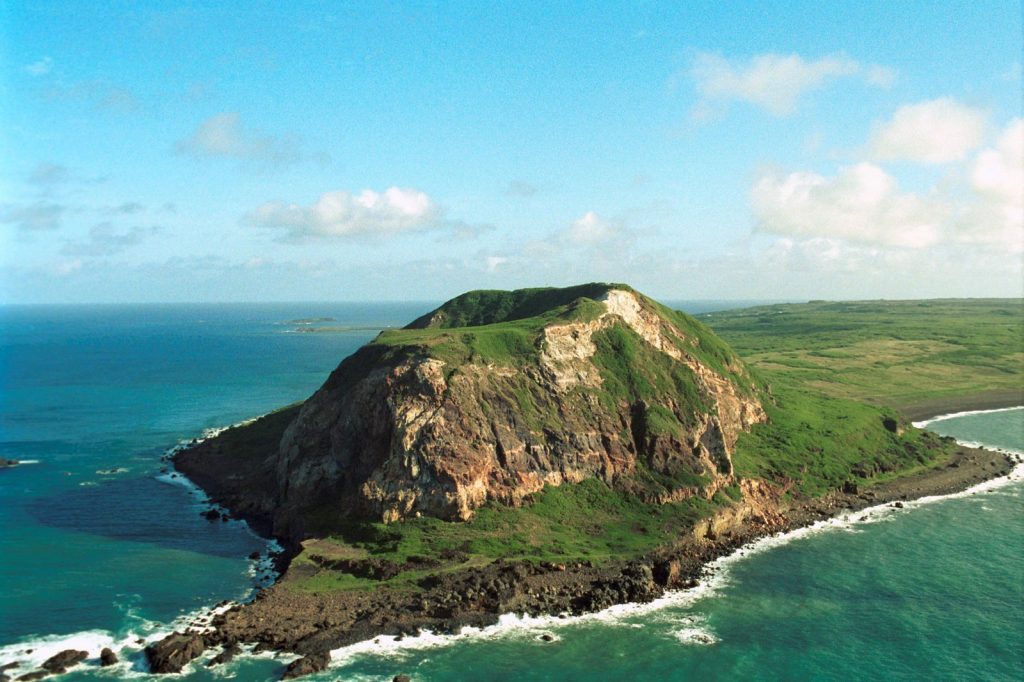
Covering just 21 square kilometers, Iwo Jima is a modest landmass that features Mount Suribachi, a peak reaching 169 meters in height. The island’s geological history and volcanic nature have made this recent eruption a closely monitored development.
Scientific Implications of the Event
The emergence of a temporary island off Iwo Jima’s coast provides researchers with an uncommon chance to observe landmass formation and evolution in real time. Scientists anticipate that the new island will be short-lived, but its study offers valuable data on volcanic activity, erosion, and sedimentation processes. By tracking the island’s growth, shape, and material composition, researchers hope to gain insights into the forces that shape the Earth’s surface.
The location of Iwo Jima within the Volcano Islands makes it particularly suitable for studying volcanic phenomena and the creation of new land. The eruption of Iwo Jima’s volcano after a dormant period of at least 1,000 years presents a unique opportunity for data collection.
Scientists aim to analyze samples and monitor ongoing activity to better understand the mechanisms driving volcanic eruptions and the formation of new geological features.
Broader Geological Context
This event holds significance beyond volcanology, offering potential insights into Earth’s geological history and the risks and benefits associated with volcanic activity. The island’s geology, including its sulfurous gas emissions and volcanic rock formations, provides a compelling case for study. As the eruption continues, researchers will maintain close observation, gathering information that could advance knowledge of dynamic planetary processes.
The scientific community views this as a historic occurrence that may inspire further exploration and contribute to a deeper understanding of how the Earth’s surface has evolved over millions of years.