
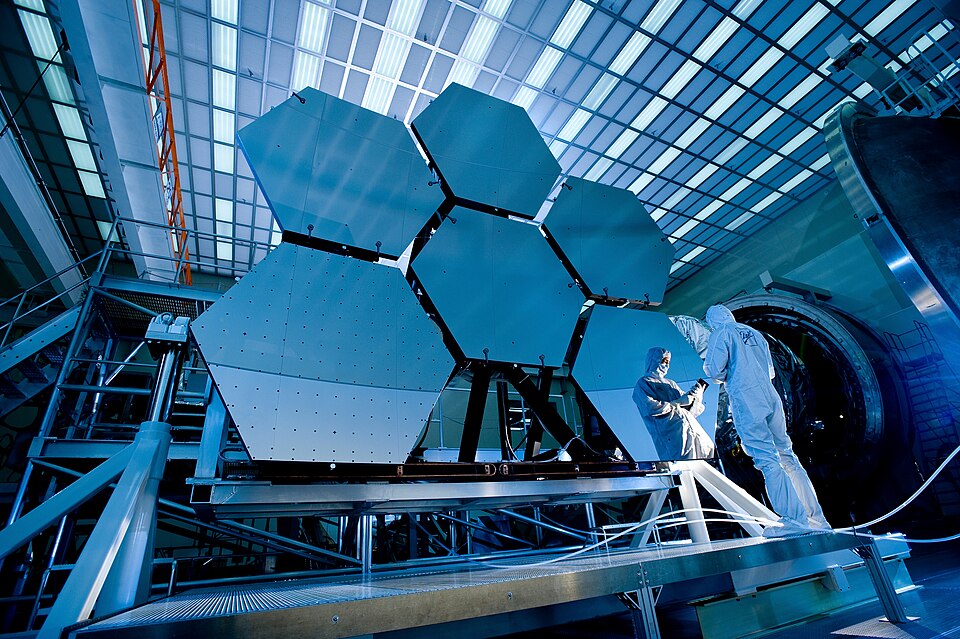
LEO, 2026-10-09 — Astronomers have made a groundbreaking discovery by detecting the first variable water clouds outside of our solar system, marking a significant milestone in the study of exoplanets. This discovery was made using data from the James Webb Space Telescope (JWST), which has been operational since December 2021. The findings, published in a peer-reviewed journal, ‘Nature Astronomy,’ on April 5, 2024, represent the first time scientists have observed clouds containing water vapor that change over time on an exoplanet.
The exoplanet in question, designated as K2-18b, is located in the constellation Leo, approximately 124 light-years from Earth. K2-18b is a super-Earth, meaning it is larger than Earth but smaller than Neptune, and it resides in the habitable zone of its star, where conditions might allow for liquid water on its surface.
The detection of variable water clouds suggests that K2-18b may have dynamic atmospheric processes similar to those on Earth, which could have implications for the potential habitability of exoplanets. The study was led by a team of researchers from the University of Cambridge and the University of Oxford, who used the JWST’s advanced spectroscopic capabilities to analyze the planet’s atmosphere. The presence of water clouds is a crucial indicator of atmospheric activity and could provide insights into the climate and weather patterns of exoplanets.
This discovery not only advances our understanding of planetary atmospheres beyond our solar system but also highlights the capabilities of the JWST in exploring the universe. The research team emphasized that the detection of variable water clouds is a key step in the search for potentially habitable worlds and could inform future missions aimed at studying exoplanet atmospheres in greater detail.
The findings have sparked significant interest in the scientific community and have opened new avenues for research into the atmospheric composition and dynamics of exoplanets.
Looking Ahead
With the continued operation of the James Webb Space Telescope, scientists anticipate further discoveries and a deeper understanding of the universe’s exoplanets. The detection of variable water clouds on K2-18b could pave the way for the identification of other potentially habitable worlds, shedding light on the possibility of life beyond our solar system.




