
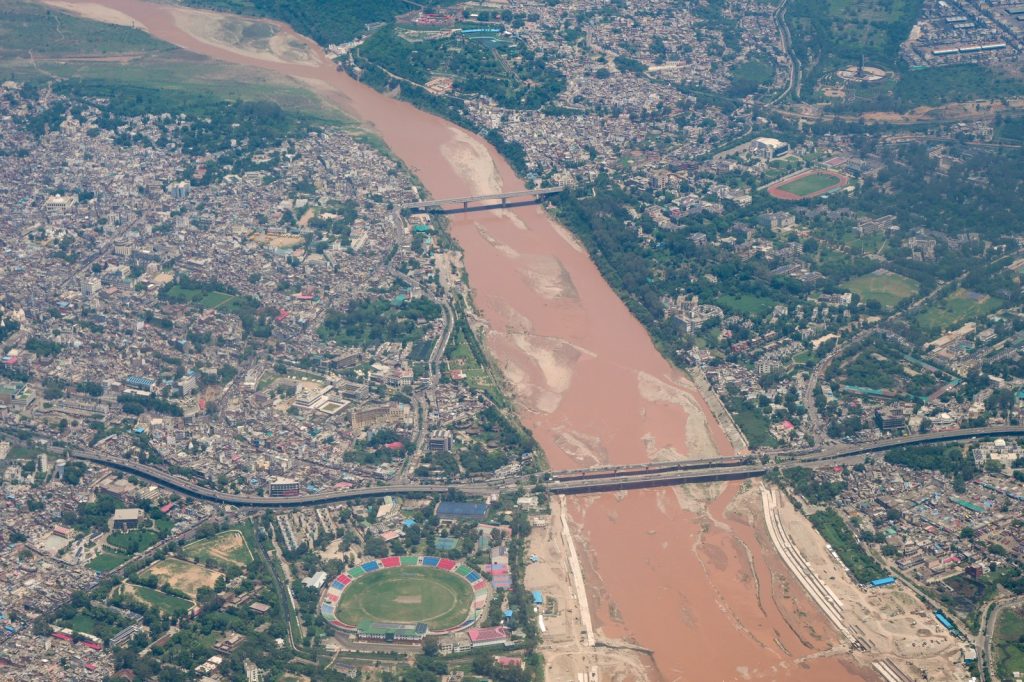
In the heart of Jammu, a city known as the “City of Temples,” a bridge succumbed to pressure on May 1st. This event was not an isolated incident, but a culmination of stress within a city sprawled over 240 square kilometers, nestled between the Himalayas and the northern plains, home to the winter capital of a union territory.
Three lives were claimed, and two more were injured. Although the numbers are small, the questions they provoke are far from trivial. Jammu’s ancient Hindu shrines draw millions of devotees and tourists annually, filling its streets and placing immense demands on its infrastructure – from bridges and roads to drainage and power grids.
With a population second only to Jammu and Kashmir’s capital, and situated on the banks of the river Tawi, Jammu thrives as a strategic hub for trade and commerce, yet faces limitations in its growth due to geographical constraints. Following the unfortunate incident, an inquiry has been announced.
This is a standard practice following a fatal collapse, examining design, construction, and maintenance aspects, while also considering external factors. However, the more profound question is whether any single bridge can be assessed without considering the network it is a part of. In Jammu, infrastructure does not fail due to neglect; it falters due to overuse, underfunding, and age combined.
The tourism industry places immense pressure on every public structure in Jammu, as does its role as an administrative center and its population density. The very bridge that transports pilgrims to sacred sites also bears the load of commuters, goods, and emergency vehicles, reflecting the weight of a city that has grown faster than its maintenance budget.
Local communities have called for a comprehensive investigation, as grief and worry morph into calls for accountability. In the immediate aftermath, the demand for accountability is understandable. However, the broader perspective is less sensational but more challenging.
A single inquiry may allocate blame for one collapse, but it cannot revise the maintenance schedule for an entire territory, nor can it decrease the daily footfall across the river. As Jammu and Kashmir continues to develop, it brings new construction, roads, and bridges, along with the temptation to rush construction and delay inspections.
The May 1st collapse serves as a data point in this pattern. Three fatalities, two injuries, and a bridge out of service. An inquiry has been promised.
The city mourns – this is the human story. The structural reality is that a bridge does not collapse due to a single weak beam or overlooked crack.
It collapses when the system designed to detect and address such issues has been operating on a deficit for years. The inquiry may verify this. Yet, it cannot guarantee the future stability of the next bridge.
Related Stories
Collapse of Jammu Bridge Claims Three Lives and Injures Two
Earthquake in Myanmar Partially Collapses Historic Ava Bridge
Collapse of Jet Bridge on American 787 in Dublin #JammuBridgeCollapses
#KillingThree
#WorldNews
#News




