
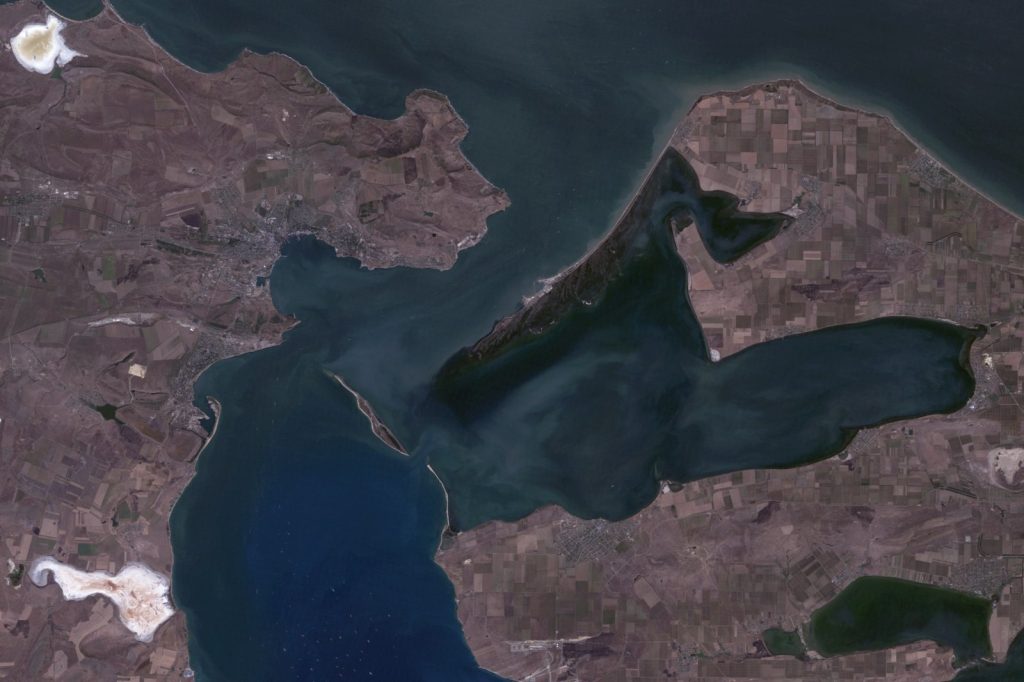
ROME, July 11 — The shift is subtle but significant. When the Kerch Strait closed on 18 January 2025, Brent crude oil prices jumped 3% to $82 per barrel in an immediate market response. The strait handles about 450,000 barrels of oil daily, which represents 1.5% of global seaborne oil trade.
That is a narrow but critical chokepoint for energy flows. The disruption did not happen in isolation.
Global oil markets were already tight, with OPEC+ maintaining production cuts of 2 million barrels per day since 2023. That ongoing constraint has left little spare capacity to absorb even modest supply losses. The International Energy Agency warned in January 2025 that any supply disruption could push prices above $90 per barrel.
Watch this space. ## What the numbers tell us The closure sent a clear signal. Analysts at Goldman Sachs estimated the strait shutdown could add $5-7 per barrel to global oil prices if it lasts more than two weeks.
That is a meaningful premium in a market already balancing on a knife edge. The 3% immediate rise to $82 reflects traders pricing in risk, not just lost barrels. The strait’s importance goes beyond oil.
The attack also affected grain shipments, as Ukraine is a major exporter of wheat and corn. However, its Black Sea grain corridor has been operational since August 2023, providing an alternative route for agricultural exports. The trend underneath is that energy infrastructure remains a vulnerability in regional conflicts. ## The broader context The Kerch Strait sits at the intersection of energy security and geopolitical tension.
With OPEC+ holding firm on its production cuts, any supply disruption becomes amplified. The IEA’s warning about prices above $90 per barrel underscores how thin the global buffer has become.
What’s changing is the market’s sensitivity to supply risks. A closure affecting 1.5% of seaborne oil trade should not, in theory, cause a price spike. But the combination of tight supply from OPEC+ and the potential for longer disruption has traders on edge.
The Goldman Sachs estimate of a $5-7 per barrel premium for a closure lasting beyond two weeks is the kind of scenario that keeps energy analysts watching the strait closely. ## The forward view The Kerch Strait closure is a reminder that energy markets remain vulnerable to sudden shocks. With OPEC+ maintaining its 2 million barrel per day cuts and the IEA flagging the risk of prices above $90, the margin for error is slim.
The immediate price response was sharp, but the real test will come if the strait remains closed for an extended period. That is the trend underneath — and one to keep watching.




