
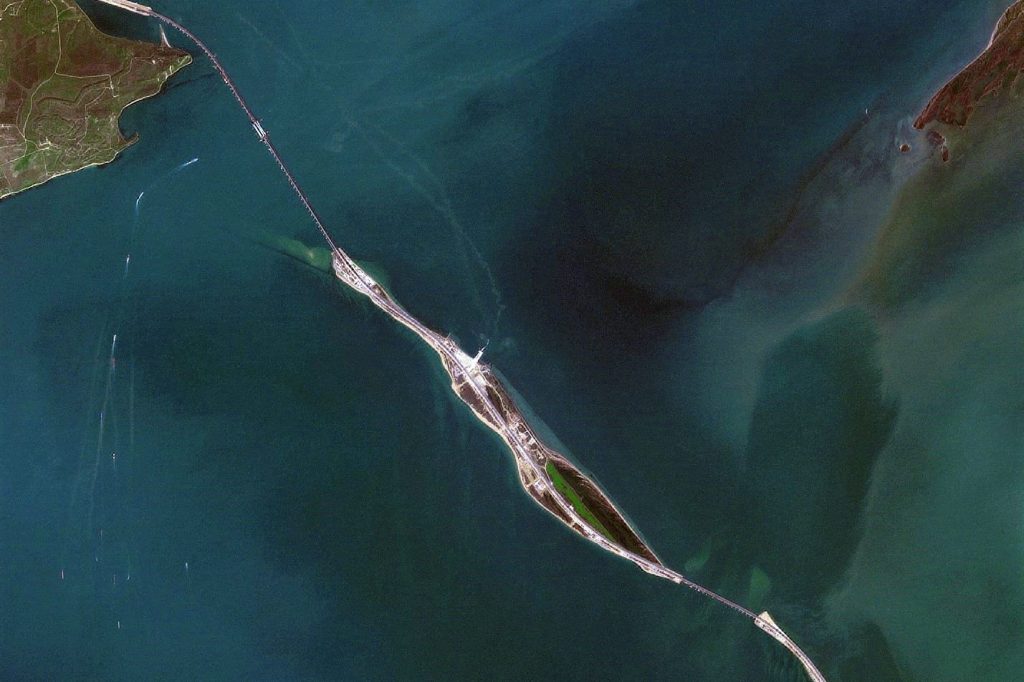
MOSCOW, July 11 — The shift is subtle but real. Russia, the world’s third-largest oil producer, is watching its export infrastructure come under new pressure after a Ukrainian attack on 18 January 2025 damaged tankers in the Kerch Strait, a narrow maritime choke point. The incident, which disrupted supply chains and sent Brent crude prices up 3% to $82 per barrel, is forcing a hard look at just how vulnerable the country’s seaborne oil routes really are.
Russia pumped an average of 10.5 million barrels per day in 2024, making it a heavyweight in global energy markets. Oil and gas revenues account for approximately 30% of the federal budget.
In 2024 alone, Moscow earned an estimated $180 billion from oil exports. But the math is getting tighter. The country ships about 3 million barrels per day by sea, and 15% of that volume transits through the Kerch Strait — the same waterway where the January attack hit tankers carrying an estimated 500,000 barrels of oil.
Western sanctions, in place since 2022, have already squeezed Russia’s energy sector. The G7 imposed a price cap of $60 per barrel on Russian oil.
Now, the Kerch Strait disruption adds a fresh layer of risk. If the canal remains closed, Russia’s export capacity could drop by as much as 500,000 barrels per day. That would cost Moscow an estimated $30 million daily in lost revenue.
The trend underneath is about infrastructure fragility. Russia has long relied on a handful of strategic maritime corridors to move its crude. The Kerch Strait, connecting the Black Sea to the Sea of Azov, is one of the most critical — and now, one of the most contested.
The January attack damaged tankers carrying half a million barrels, a reminder that supply-chain disruptions can hit fast and hard. For context, Russia’s average daily output of 10.5 million barrels in 2024 made it the third-largest producer globally.
The $180 billion in export earnings underscores how central oil remains to the state’s finances. But every barrel that can’t get out is a barrel that doesn’t generate revenue. The $30 million daily loss figure is a stark calculation of what a prolonged closure would mean.
The immediate question is whether the Kerch Strait reopens fully, and how quickly Russia can reroute its seaborne exports through alternative ports. The broader story is about resilience.
Russia has weathered sanctions by pivoting east, but physical infrastructure is harder to replace than trade relationships. A damaged canal, a struck tanker — these are real-world bottlenecks that no amount of financial engineering can fix overnight. Brent crude’s 3% jump to $82 per barrel after the attack shows markets are watching.
If the disruption deepens, the price signal could strengthen. For Moscow, the calculus is simple: every day the strait stays closed, the revenue gap widens. For global markets, the lesson is that energy supply chains remain as brittle as ever.
What’s next? The answer will come from the Kerch Strait, and from how quickly Russia can adapt.




