
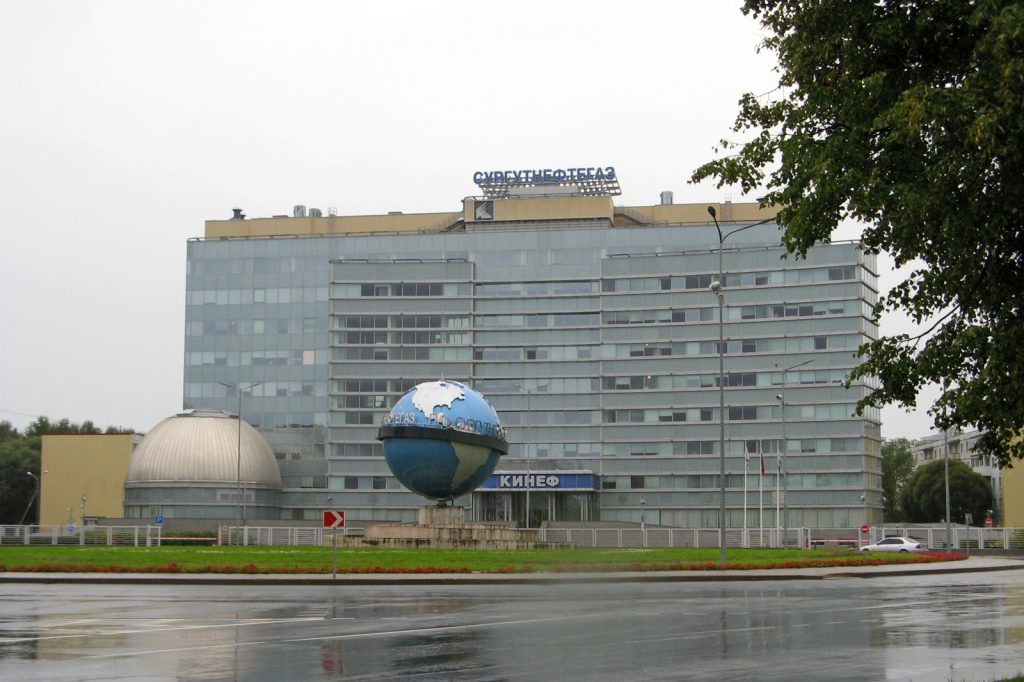
Three of the four main crude distillation units at the Kirishi refinery were reportedly knocked out in the latest round of drone strikes, and the plant has suspended operations. Defense Magazine described it as Russia’s second-largest refinery, and the damage reached supporting systems too.
No one has a repair timeline. Rebuilding primary distillation capacity after hits like these is slow work, the magazine noted, especially when several core components fail together.
A target far from the front
Kirishi sits in the Leningrad region, roughly 790-800 kilometers from the Ukrainian border. Distance has not kept it safe. Special Operations Forces reportedly disabled key equipment there in October 2025, and further strikes were recorded on March 26 and May 5, 2026. That makes at least five known attacks on the site.
The magazine read the pattern as a sustained effort to squeeze Russia’s energy system well beyond the front lines. If the outage drags on, it said, fuel production and logistics could come under extra strain.
What the plant does
The refinery is run by Surgutneftegaz and handles about 20.1 million tonnes of oil a year, according to Defense Magazine. A separate profile of the operator, Kinef, puts the figure at 17.7 million metric tons, or 6.4% of Russia’s refining capacity. Either way, the plant ranks among the top two in the country.
It turns crude into gasoline, diesel fuel, fuel oil and aviation fuel. It is also the only oil refinery in Northwestern Russia, which is why its output matters so much to fuel supply in Leningrad Oblast and the surrounding area.
Sixty years of history
Construction began in 1961 and the refinery was commissioned in 1966. A major reconstruction in 1980 added a diesel hydrotreating unit. Kinef came under the Surgutneftegaz group in 1993, and expansion projects followed in 1994, 1996 and 1999.
Accidents are nothing new here. An explosion hit unit LG-24/7-1200 in 2008. A fire broke out in the diesel hydrotreater section in 2009. In 2017, an explosion struck Workshop No. 42 while maintenance work was under way.
Those were industrial mishaps. The current shutdown comes from a different kind of damage, and the extent of it is still hard to measure.
Sources
- Kinef: Kirishi Refinery Operations, Incidents and Strategic Role
- Russia’s Second Largest Oil Refinery Suddenly Goes Dark After Devastating Drone Strike
Sources
- Kinef: Kirishi Refinery Operations, Incidents and Strategic Role
- Ukraine Declares War on Russia’s Oil… – National Security Journal




