
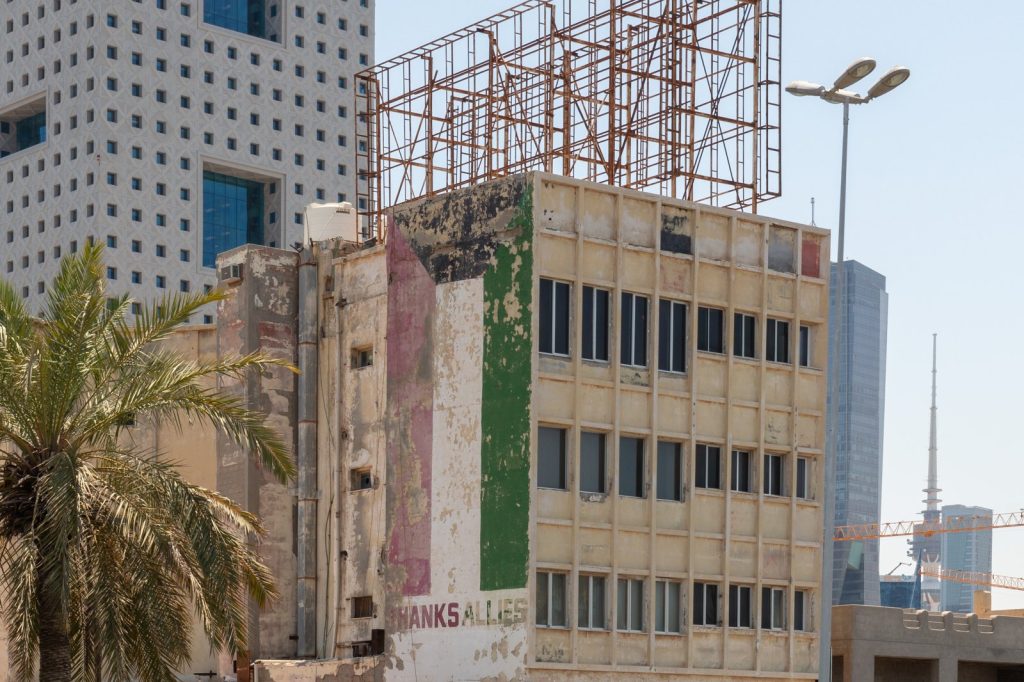
A deadly blaze erupted in an apartment building in the Riggae district of Kuwait on June 1, 2025, resulting in the loss of five lives. The incident has left residents shaken and prompted a broader discussion about fire safety standards in the area. Riggae lies to the southwest of Kuwait City and is bordered by the neighborhoods of Andalus, Al‑Rai, Ardiya and Shuwaikh.
Its boundaries are marked by the Fourth and Fifth Ring Roads, positioning it as a key hub for both residential and commercial activity. Nearby landmarks include the Courts Complex, the Public Authority for Youth and Sports, and The Avenues Mall, one of the largest shopping centers in the country.
The fire has cast a pall over a community known for its vibrant social life and economic vigor, largely driven by the mall’s draw for shoppers and businesses. As residents grapple with the tragedy, attention has turned to what can be done to avert similar disasters in the future. Officials and locals alike are urging a thorough review of existing fire safety measures.
This includes verifying that buildings have operational fire alarms and sprinkler systems, and instituting regular training sessions and drills for both occupants and emergency personnel. A proactive, collaborative approach is seen as essential to reducing risk.
Kuwaiti authorities are expected to lead the investigation into the fire’s origin and to oversee any necessary upgrades to safety infrastructure. Their handling of the situation will be monitored closely by the public and observers beyond the nation’s borders. In the aftermath, some voices have connected the need for improved fire protection with broader sustainability goals. Advocates argue that investing in renewable energy sources and decreasing reliance on fossil fuels can enhance community resilience, lower energy costs, and strengthen energy security—factors that contribute to a safer living environment.
While the loss is profound, the event also presents an occasion for reflection and renewal. Community leaders suggest that by prioritizing safety, sustainability, and energy security, Riggae can rebuild in a way that protects residents and supports long‑term prosperity.
A holistic development model that balances economic growth with social and environmental responsibility is viewed as a pathway to a healthier, more secure future. The road ahead will require coordinated effort among residents, planners, and government bodies. By embedding safety considerations into every facet of urban planning and embracing sustainable practices, the Riggae community aims to transform tragedy into an opportunity for lasting improvement.




