
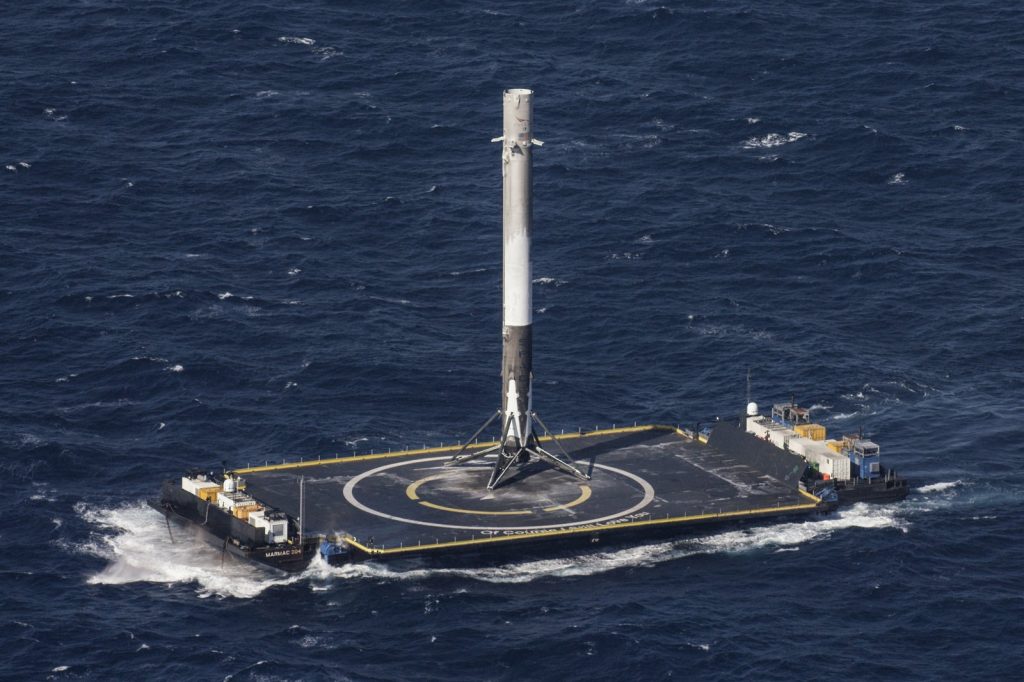
NEW DELHI, July 10 — For years, India’s space ambitions have benchmarked against the Falcon 9, the reusable workhorse that reshaped global launch economics. Now, China has publicly matched that benchmark. The Long March 10B’s successful recovery on June 23, 2024, marks China’s entry into reusable rocket technology, a field dominated by SpaceX’s Falcon 9 since its first landing in December 2015.
For Asian satellite operators and launch service customers, this development introduces a second major player in reusable rocketry — one with state backing and a reported investment of $2.5 billion since development began in 2018. The Falcon 9, developed by SpaceX and founded by Elon Musk in 2002, has completed over 300 successful landings as of 2024, with a reusability rate of over 90% for its first stage.
That record has made it the default choice for commercial launches across Asia, from Indian earth-observation satellites to Japanese communications payloads.
Technology and payload differences
Both rockets employ similar engineering solutions: variable thrust liquid oxygen/kerosene engines, grid fins for atmospheric control, and autonomous landing guidance. The Long March 10B’s engines are derived from the YF-100 series, with a thrust of 120 tons each. The Falcon 9 uses nine Merlin engines with 845 kN thrust each.
The payload capacity gap is significant. The Long March 10B is a medium-lift vehicle with a payload capacity of 14,000 kg to low Earth orbit.
The Falcon 9 can deliver 22,800 kg to the same orbit — a difference of nearly 8,800 kg. For Indian and Asian customers, that disparity matters for heavier satellite constellations or dual-payload launches. China’s CASC stated that the Long March 10B landed at a sea-based recovery zone.
SpaceX’s Falcon 9 first stage lands on drone ships or launch pads, a flexibility that has enabled rapid turnaround times.
Cost structure and market implications
SpaceX’s Falcon 9 launches cost approximately $67 million per flight. CASC has not disclosed costs for the Long March 10B. That lack of pricing transparency is a key concern for commercial customers across Asia, where launch cost is often the deciding factor.
Analysts note that China’s entry into reusable rocketry could pressure launch prices across the region, especially for medium-lift missions. But without disclosed pricing, it remains unclear whether the Long March 10B will undercut Falcon 9 on cost or compete on reliability and scheduling.
For India’s space program, the development adds a dimension to the competitive landscape. The Indian Space Research Organisation has focused on its own reusable launch vehicle technology demonstrator, though no operational reusable rocket has yet been fielded. The Long March 10B’s success, coming from a neighbour with comparable engineering and budget constraints, raises the stakes for domestic development timelines.
What to watch next
The Long March 10B’s development began in 2018, with a reported investment of $2.5 billion. That investment timeline — roughly six years from start to first successful recovery — is comparable to the Falcon 9’s own development arc. The next milestone for the Long March 10B will be its first commercial flight.
CASC has not announced a target date. For Asian launch customers, the key question is whether the Long March 10B can match the Falcon 9’s reusability rate and turnaround time, or whether it will serve primarily China’s domestic and strategic payloads.
SpaceX’s Falcon 9, with over 300 successful landings and a reusability rate exceeding 90%, remains the benchmark. China’s Long March 10B has now demonstrated the technology. The market will watch whether it can scale the operations.
{“@context”: “https://schema.org”, “@type”: “NewsArticle”, “headline”: “Long March 10B vs. Falcon 9: Reusable Rocket Tech Compared”, “description”: “NEW DELHI, July 10 — For years, India’s space ambitions have benchmarked against the Falcon 9, the reusable workhorse that reshaped global launch economics. Now,…”, “datePublished”: “2026-07-10T09:30:00+00:00”, “author”: {“@type”: “Person”, “name”: “Arjun Mehta”}, “publisher”: {“@type”: “Organization”, “name”: “InfoPulse Today”, “url”: “https://newsfeed.infopulsetoday.com/”}}




