
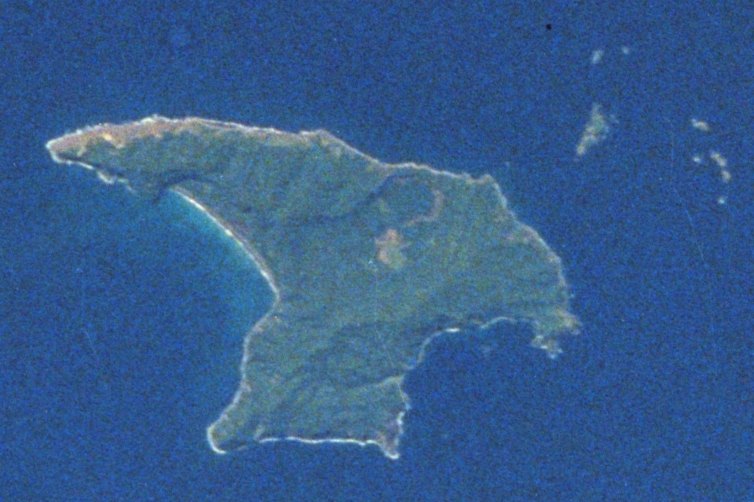
WELLINGTON, New Zealand — A magnitude 5.2 earthquake struck the remote Kermadec Islands region on July 29, 2026, at 22:42 UTC, according to the U.S. Geological Survey (USGS). The quake was shallow, at a depth of just 10 kilometers, and no tsunami warning was issued. The Kermadec Islands area is one of the most seismically active stretches of the Pacific.
The USGS notes that at least 500 earthquakes of magnitude 5.0 or greater have been recorded within about 300 kilometers of this location over the past two decades. The strongest of those was a magnitude 8.1 event in 2021.
Shallow depth, stronger shaking
At 10 kilometers deep, this earthquake is classified as shallow. Seismologists consider earthquakes less than 70 kilometers deep to be shallow, and they typically produce stronger shaking at the surface than deeper quakes of the same magnitude. A magnitude 5.2 event in the moderate range is capable of causing minor to moderate damage near the epicenter, though the remote location of the Kermadec Islands means any impact on infrastructure is likely to be minimal.
For communities across the Pacific region—from New Zealand to the islands of Polynesia—the event serves as a reminder of the tectonic forces that shape this part of the world. No reports of damage or injury have been recorded, but the USGS real-time global seismic monitoring network detected the event quickly, providing essential data for regional authorities.
Aftershocks expected
Aftershocks are common following an earthquake of this size, seismologists note, and may continue for days or even weeks. People in the affected area are generally advised to be prepared for further shaking. While the Kermadec Islands themselves are largely uninhabited save for a small science station on Raoul Island, the tremor underscores the persistent seismic activity that characterizes the Kermadec Trench—a subduction zone where the Pacific Plate dives beneath the Australian Plate.
The USGS continues to monitor the area through its global network. For now, the absence of a tsunami warning offers some reassurance to coastal communities across the wider region, from the North Island of New Zealand to the islands of Fiji and Tonga, who watch such events closely.
Residents in seismically active areas understand that moderate quakes can sometimes be precursors to larger events, but they can also mark the start of an aftershock sequence that gradually diminishes. Earthquake scientists in the region will be tracking the activity in the coming hours and days, using the data from this event to refine their understanding of local fault systems. The Kermadec Islands region has a long history of powerful earthquakes.
The 2021 magnitude 8.1 quake, the strongest in the area over the past two decades, generated a small tsunami and was felt across New Zealand. Monday’s quake, though much smaller, continues a pattern of frequent seismic energy release along this volatile plate boundary.
For now, the advice remains straightforward: stay aware and be prepared. The tremor that passed beneath the seafloor late on July 29 was a measured reminder of the earth’s restless nature—and the quiet vigilance that comes with living across the Pacific Ring of Fire.




