
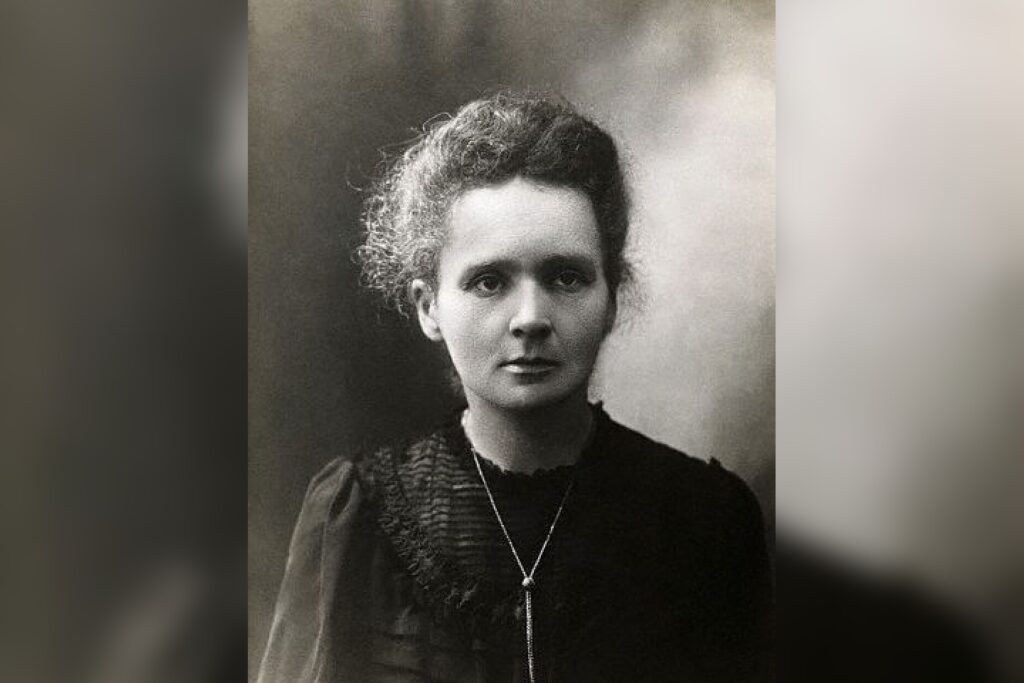
The shift is subtle but unmistakable. A century after Marie Curie’s groundbreaking work, the technology sector is taking a fresh look at the woman who literally changed the periodic table. But the re-evaluation is not simply about celebrating past achievements.
It is about drawing a stark lesson from the human cost of discovery. For an industry obsessed with rapid innovation, Curie’s life offers both a template of scientific tenacity and a cautionary tale about the risks that come with pushing boundaries.
From Warsaw to Paris: The Making of a Disruptor
Born in Warsaw in 1867, Marie Curie came of age at a time when Poland did not exist as an independent state. To pursue education, she studied at a secret university that operated outside the control of the Russian Empire. In 1891 she moved to Paris, where she earned advanced degrees and began her scientific career. She married Pierre Curie in 1895, and together they conducted research on a new phenomenon that Marie would name radioactivity.
That single word described the spontaneous emission of radiation from certain elements. In 1898 the Curies announced the discovery of two new elements: polonium, named after Marie’s native Poland, and radium.
For this work she shared the Nobel Prize in Physics in 1903 with Pierre and Henri Becquerel, becoming the first woman to win a Nobel Prize. In 1911 she won the Nobel Prize in Chemistry, making her the first person — and the only person to date — to win Nobel Prizes in two different scientific fields. After Pierre died in a street accident in 1906, Marie succeeded him as a professor at the University of Paris, the first woman to hold that post.
Building Institutions and Paying the Price
Beyond the laboratory, Curie applied her discoveries to medicine. She founded the Curie Institute in Paris in 1920 and the Curie Institute in Warsaw in 1932. Both remain major research centers to this day. During the First World War she developed mobile X-ray units that brought radiological services to battlefield hospitals, directly saving countless lives.
Yet her work with radioactive materials came at a steep personal cost. She died in 1934 from aplastic anemia, a condition attributable to her long exposure to radiation in the laboratory and in the field.
That stark fact is now driving a new conversation about safety, materials science, and the human toll that can accompany groundbreaking innovation. Curie’s life matters now because it embodies both the promise and the peril of scientific discovery. Her story is not simply a historical footnote.
It is a case study in tenacity, in building lasting institutions, and in confronting the human risks that come with pushing boundaries. For a technology sector grappling with the ethics and safety of accelerating innovation, her experience offers a clear example of what is gained and what can be lost when the limits of safety are tested.
The lessons from Curie’s legacy underscore the necessity for diligent safety measures in scientific innovation and research. As technological advancements continue to accelerate, the balance between pursuing innovation and ensuring responsible practice remains as critical as ever.




