
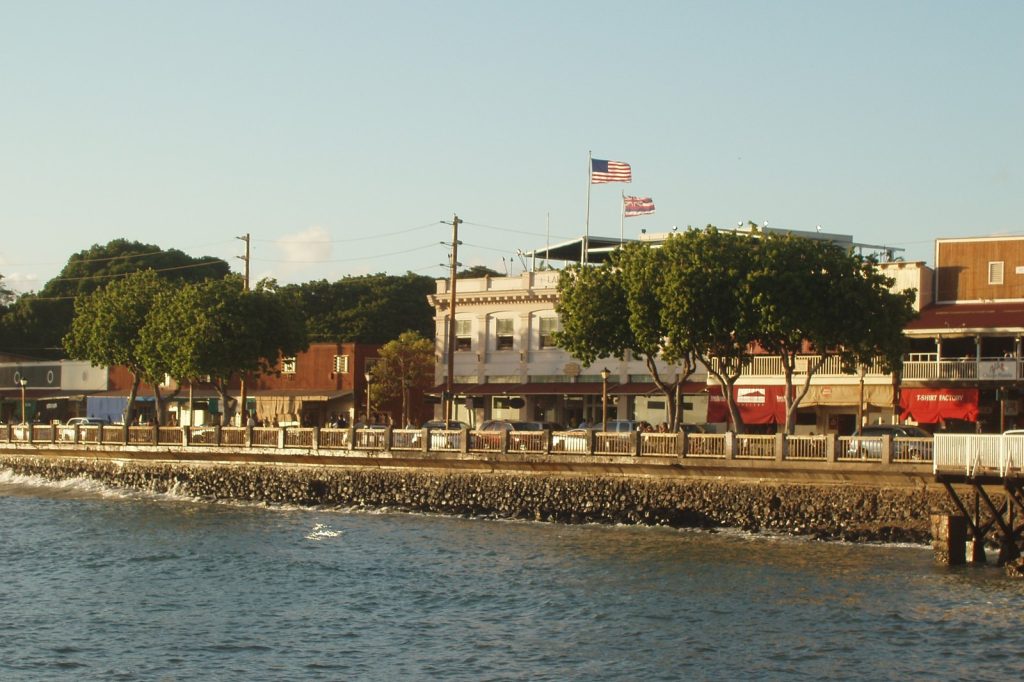
As of August 18, 2023, the fatality count from the wildfires that have swept across Maui, Hawaii, stands at 114. The loss of life and property has reverberated across the island and the broader United States, underscoring the ferocity of the blaze and the pressing need for robust disaster‑management policies. Maui, the second‑largest island in the Hawaiian chain, is celebrated for its verdant scenery and distinctive wildlife.
Its topography—characterized by extensive dry brush, grasslands and rugged terrain—combined with seasonal drought conditions, creates an environment where fires can spread rapidly and become difficult to contain. The growing population, recorded at 168,307 in the 2020 census, adds to the vulnerability of communities and natural habitats.
Key population centers such as Kahului (28,219 residents), Kīhei and Lāhainā are among the areas most at risk. Kahului, the island’s economic hub, and the county seat of Wailuku are critical to Maui’s commercial infrastructure; damage to these locales could have far‑reaching repercussions for the island’s economy. In response, state officials, federal agencies and a range of non‑governmental organizations have mobilized to deliver emergency assistance.
Relief operations are focused on providing food, temporary shelter and medical care to those displaced or injured, as well as supporting the families of the deceased. Beyond immediate aid, authorities are emphasizing the importance of sustainable recovery.
Maui’s ecosystems—home to numerous endangered species and vital habitats such as coral reefs, rainforests and grasslands—are integral to both local biodiversity and global environmental health. Rebuilding efforts are being guided by principles that aim to avoid further ecological strain, with an eye toward long‑term resilience. Experts point to renewable‑energy investments and responsible land‑use planning as essential steps to lessen future wildfire risk.
Reducing dependence on fossil fuels can mitigate climate‑related triggers while also delivering energy security and cost savings for residents. The path to full recovery is expected to be lengthy and complex.
Nonetheless, community leaders and residents are encouraged to view the reconstruction phase as an opportunity to embed sustainability into Maui’s future development. By prioritizing conservation, waste reduction and clean‑energy solutions, the island can protect its natural assets and strengthen its capacity to withstand similar disasters. As Maui moves forward, the collective resolve of its people—combined with strategic, environmentally conscious policies—offers a hopeful outlook.




