
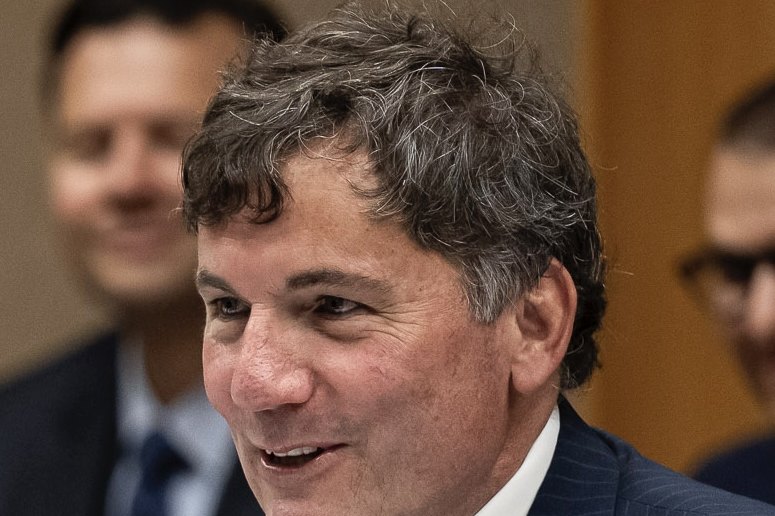
FORT MCMURRAY — The oil sands were never supposed to look like this. Dominic LeBlanc stood on the deck of Suncor Energy’s Base Plant on Monday, staring at cogeneration units that weren’t there a decade ago. The President of the King’s Privy Council for Canada and minister responsible for Canada-U.S. trade had come to see what happens when an industry built on heavy crude tries to clean up its own mess.
The Base Plant is where it all began. First commercial development of the Athabasca oil sands.
The place that proved you could squeeze oil from dirt. Now it’s also where Suncor is proving you can burn natural gas to make electricity and steam at the same time, cutting emissions while feeding power back into Alberta’s grid. LeBlanc’s visit came at a specific moment.
Canada and the United States are locked in trade tensions. Global energy markets are shifting.
And Alberta, the province that kept Canada’s economy afloat during the pandemic, is watching Ottawa warily. The minister met with Suncor’s senior executives and the Fort McMurray Chamber of Commerce. He talked about collaboration.
He talked about building a stronger economy for all Canadians. He did not talk about the carbon tax, or pipelines, or the federal emissions cap that Alberta’s premier has called a “coalition of the willing to destroy our economy.” Instead, LeBlanc focused on what Suncor has already done. The cogeneration units at Base Plant are not theoretical.
They are running. They produce power.
They reduce emissions. They are the kind of concrete step that federal officials can point to when they argue that Canada can have both energy production and environmental responsibility. “It is more important than ever that Canada and Alberta collaborate,” LeBlanc said, according to a statement from his office.
The words were careful. The subtext was not.
For years, Ottawa and Edmonton have fought over energy policy. The federal government bought the Trans Mountain pipeline to get Alberta oil to tidewater. It also imposed a carbon price and emissions regulations that industry says make it harder to invest.
Alberta’s United Conservative government has spent much of its time in office fighting those federal policies in court. LeBlanc’s visit was an attempt to reset the conversation. Not by changing policy, but by changing the subject.
The minister emphasized that Albertans have a significant role to play in building a stronger Canadian economy. He did not say what that role would cost.
Suncor is a Canadian company, headquartered in Calgary. It refines a considerable portion of its oil in Canada, making it one of the country’s largest petroleum retailers. That matters when the United States is threatening tariffs on Canadian goods.
A barrel of oil refined in Canada stays in Canada. A barrel shipped south is vulnerable.
The meeting at the Chamber of Commerce was about more than one company. Fort McMurray is a town that has survived wildfires, floods, and the collapse of oil prices. Its business leaders know that survival depends on diversification.
They also know that diversification is hard when your main industry is under political attack. LeBlanc’s message was that the federal government wants to work with Alberta’s energy sector. The question is whether that message can survive the next election, the next trade dispute, or the next federal budget.
The minister visited the cogeneration units. He saw the technology.
He heard the pitch. Now the work begins — convincing Albertans that Ottawa’s commitment is real, and convincing Ottawa that Alberta’s energy sector is changing faster than its critics admit. Neither side has an easy path.
But both sides showed up.




