
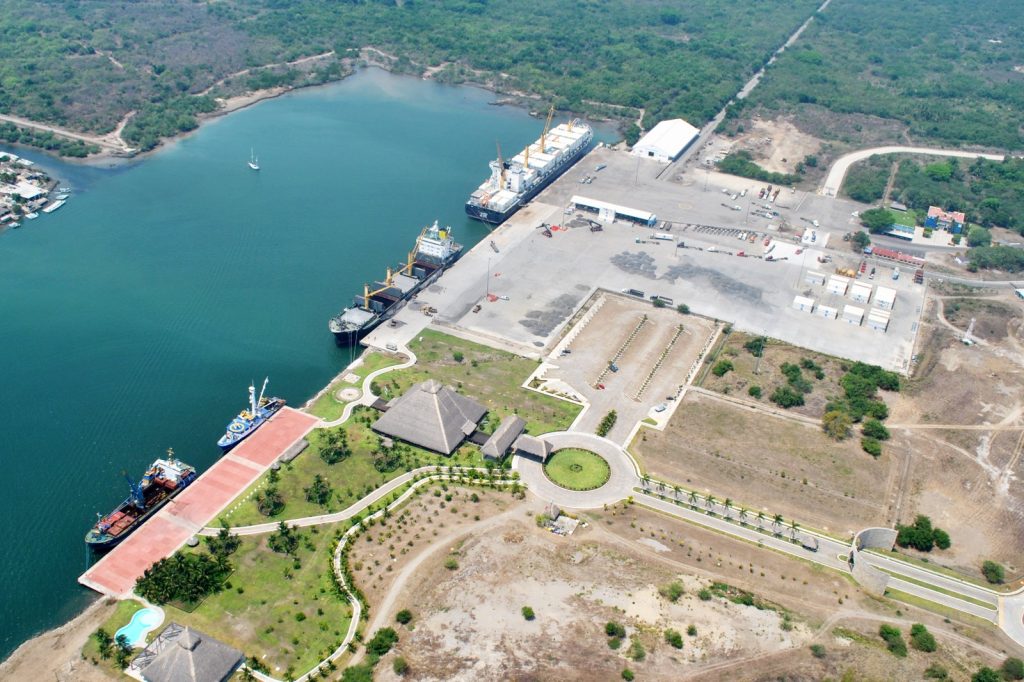
PUERTO MADERO, Mexico — A magnitude 5.8 earthquake struck 60 kilometers southwest of this Pacific coast town on July 28, 2026, at 05:35 UTC, the U.S. Geological Survey reported. The quake hit at a depth of 35 kilometers. No tsunami warning was issued.
By the numbers, the depth matters. Shallow earthquakes — those less than 70 kilometers deep — produce stronger shaking at the surface than deeper ones of the same magnitude.
At 35 kilometers, this one sits well inside that zone. The USGS classifies magnitude 5 earthquakes as moderate; they can cause minor to moderate damage near the epicenter. So far, at least five people have reported feeling the shaking.
Seismic history of the region
The area off the coast of Chiapas is no stranger to shaking. Over the past two decades, at least 397 earthquakes of magnitude 5.0 or greater have been recorded within roughly 300 kilometers of this location. The largest during that period: a magnitude 8.2 quake in 2017.
That 2017 event, centered off the same coast, caused significant damage and dozens of fatalities across southern Mexico. The 5.8 quake today is far smaller, but it’s a reminder of the tectonic forces at work along the Middle America Trench, where the Cocos Plate dives beneath the North American Plate.
The depth of today’s quake — 35 kilometers — places it in the upper crust of the subducting slab. Shallow earthquakes in subduction zones are common and can generate stronger ground motion than people might expect from a magnitude 5.8 event at greater depth.
Aftershocks likely
Seismologists at the USGS expect aftershocks. Earthquakes in this size range typically produce additional shaking that can continue for days or even weeks. The agency advises people in the affected area to remain alert and prepared for further shaking.
The USGS detected the event through its real-time global seismic monitoring network, a system that tracks earthquakes worldwide and provides near-instant location, magnitude, and depth data. No further details on damage or injuries were available from the USGS report.
For residents along the coast of Chiapas and nearby Guatemala, the quake will be a familiar sensation. The region has recorded nearly 400 moderate-to-large earthquakes in the last 20 years alone. While a magnitude 5.8




