
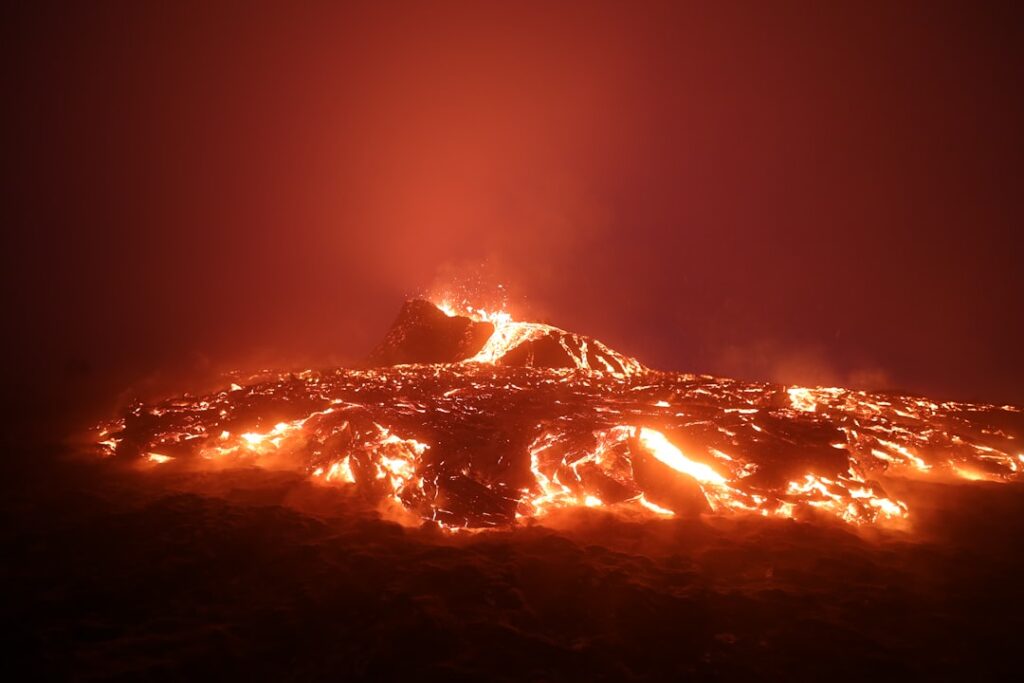
The aftermath of Mount Ibu’s eruption continues to unfold across Halmahera, with seven villages now completely evacuated. The event, which occurred on May 19, 2024, follows a well-established pattern for communities living near one of Indonesia’s most restless volcanoes.
Halmahera, the largest island in North Maluku province, is home to 449,938 people according to the most recent census. The evacuation of these seven settlements came as no surprise to residents or authorities. Mount Ibu’s classification as a highly active volcano carries significant meaning in Indonesia, a nation situated along the Pacific Ring of Fire where seismic and volcanic activity are constant realities.
Sofifi, the provincial capital located on Halmahera’s west coast, lies within close proximity to the mountain. When an eruption occurs, the response follows established procedures rather than panic.
The evacuation operation involves careful coordination and planning, utilizing trucks and boats to move residents who have likely experienced such events before. Indonesian authorities are providing immediate support, addressing basic human needs including food, water, and shelter. These fundamental requirements are being managed as the primary priority.
The eruption released substantial quantities of ash and gas into the atmosphere, creating challenges beyond the immediate evacuation zone. Ash deposits are affecting farmland, clogging water sources, and coating vegetation.
Halmahera spans 17,780 square kilometers, with much of the land being rural and dependent on agriculture. The potential long-term damage to the region’s biodiversity raises concerns about whether villages can recover within months or may face extended abandonment. Mount Ibu’s history of eruptions prompted the monitoring systems and evacuation plans currently in operation.
However, this history also indicates that future eruptions are inevitable. The sustainability of repeated evacuation and return cycles remains an open question for Halmahera’s population.
Each eruption deposits ash and gas that persist in the environment. The ecosystem faces repeated exposure to sulfur and particulate matter, challenging the resilience of local flora and fauna. The local population has observed Mount Ibu’s activity for years and understands these patterns. In the coming weeks, the ash cloud will drift and gases will disperse.
Evacuated residents will seek to return home, and authorities must determine when conditions are safe based on monitoring data, wind patterns, and volcanic behavior. Indonesia’s extensive experience with volcanic activity has produced sophisticated tracking systems and realistic evacuation drills, though such preparedness does not diminish the real losses.
Seven emptied villages represent disrupted communities, children removed from schools, abandoned livestock, and homes covered in debris. While immediate needs are being addressed, the longer-term requirements for environmental recovery, economic rebuilding, and psychological healing remain uncertain. Mount Ibu remains a source of concern not only for the present but for future eruptions as well.




