
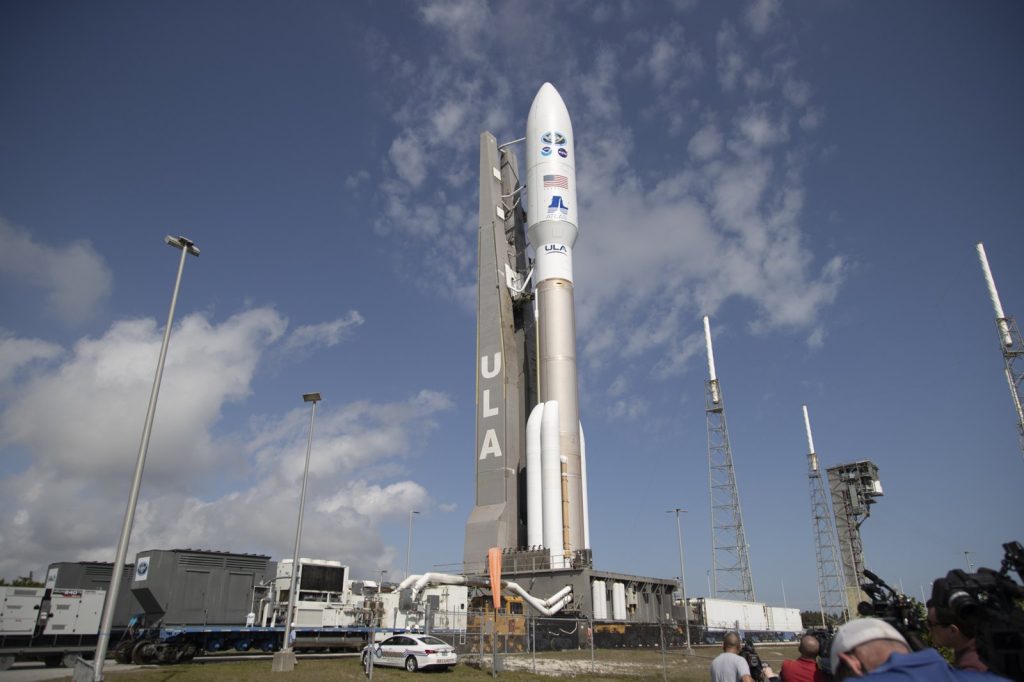
Decades after the Cold War formally concluded in 1991, the rockets and spacecraft designed during that era of superpower rivalry continue to launch from these pads. The Space Race, a direct outgrowth of the geopolitical standoff between the United States and the Soviet Union from 1947 to 1991, was never merely about reaching orbit. It was a high-stakes contest to prove technological and ideological supremacy, a competition that left an indelible mark on the infrastructure, institutions, and ambitions that still drive spaceflight today.
The Shock of Sputnik and America’s Response
The contest began with a jolt to American confidence. On October 4, 1957, the Soviet Union launched Sputnik 1, the world’s first artificial satellite. The unexpected success stunned the U.S. public and its government, forcing a swift structural response.
Within months, on July 29, 1958, Congress created the National Aeronautics and Space Administration (NASA) to coordinate civilian space activities. President John F.
Kennedy escalated the stakes in a speech to Congress on May 25, 1961, setting the goal of landing a man on the Moon before the decade’s end. The price was enormous. From 1960 to 1973, the United States spent approximately $25.4 billion on the Apollo program. Adjusted for inflation to 2023 dollars, that sum equals roughly $200 billion.
The Soviet program, run under a shroud of secrecy, is estimated to have spent comparable amounts. The race reflected more than scientific ambition; each achievement served as a propaganda victory, broadcast worldwide as proof of one system’s superiority over the other.
Early rocket development drew directly from wartime missile research, particularly German V-2 technology, which both superpowers exploited after 1945. By the mid-1950s, both nations were openly signaling their intent to launch artificial satellites, setting the stage for the showdown that Sputnik ignited.
Détente in Orbit and the End of the Race
The rivalry culminated not in a victory lap for either side, but in a symbolic handshake in orbit. On July 17, 1975, the Apollo-Soyuz Test Project saw an American Apollo spacecraft dock with a Soviet Soyuz capsule. The mission was a symbol of détente, the easing of Cold War tensions. By nightfall on that July day, the space race was over.
Yet the geopolitical one would grind on for another 16 years. The joint docking mission marked the formal end of a contest that had begun with Sputnik’s beep and accelerated through early Soviet successes with the first satellite and the first human in orbit.
Those achievements pushed the United States to commit to a crewed Moon landing before 1970. The Apollo-Soyuz docking in 1975 showed that the two former rivals could cooperate in space, even as their broader ideological struggle continued on Earth.
An Enduring Legacy and a New Era
The institutions, technologies, and ambitions born of the Space Race still shape modern spaceflight. The Saturn V rocket, Apollo spacecraft, and global tracking networks created under NASA’s early programs remain foundational to current missions. The rivalry also normalized large-scale government-led science initiatives and public-private partnerships that continue in today’s space industry.
While the geopolitical urgency of the Cold War has faded, the legacy of competition endures in the presence of new actors—private companies and emerging spacefaring nations—who now drive a new era of exploration. The legal, technical, and institutional foundations set during the Space Race still determine who can reach orbit and why.
The infrastructure built for Apollo, the engineering talent forged in competition, and the sheer national will to reach another world all trace back to that single beep from Sputnik. As new state and private actors push deeper into space, the question is whether the next great leap will be driven by the same kind of rivalry or by something else entirely.
{“@context”: “https://schema.org”, “@type”: “NewsArticle”, “headline”: “Cold War rockets still launch from Cape Canaveral decades later”, “description”: “CAPE CANAVERAL, July 15 — Decades after the Cold War formally concluded in 1991, the rockets and spacecraft designed during that era of superpower rivalry…”, “datePublished”: “2026-07-15T09:30:00+00:00”, “author”: {“@type”: “Person”, “name”: “Isabella Moore”}, “publisher”: {“@type”: “Organization”, “name”: “InfoPulse Today”, “url”: “https://newsfeed.infopulsetoday.com/”}}




