
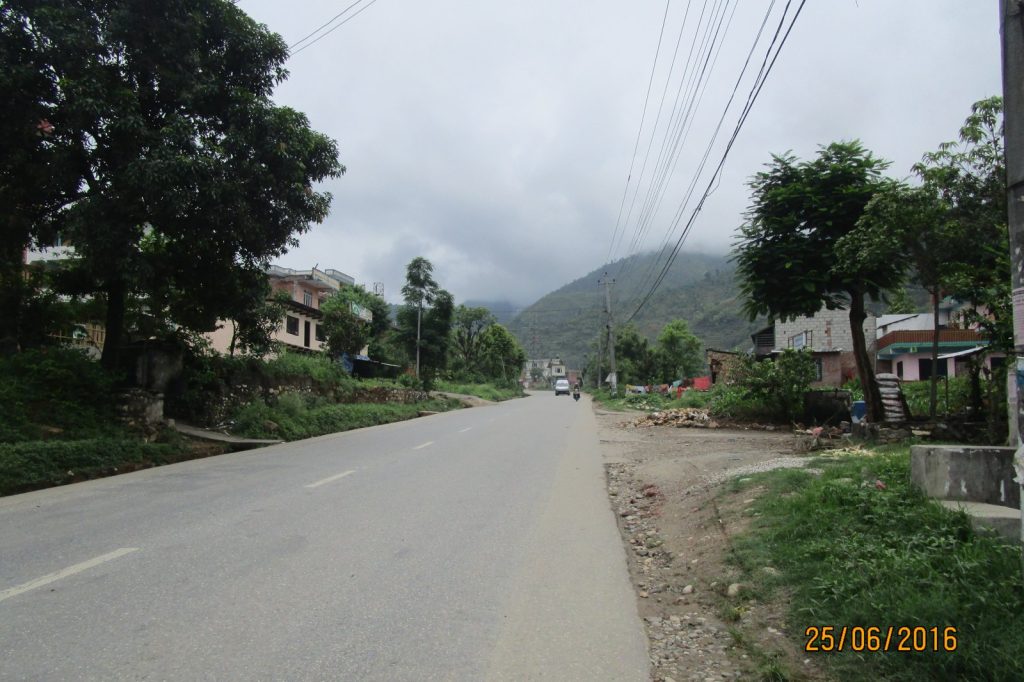
Gajuri, Nepal – A passenger bus traveling west on the Prithvi Highway slipped off a sharp bend on Wednesday and tumbled through a guardrail into the Trishuli River, resulting in eight fatalities and multiple injuries, according to police officials at the scene. The 174‑kilometre artery that links Kathmandu with the tourist hub of Pokhara is known locally as National Highway 17.
The stretch where the crash occurred is part of a route that winds through steep valleys and narrow passages, often challenged by monsoon‑season rain, slick surfaces and limited visibility. Witnesses said the vehicle was moving westward when it failed to negotiate a curve, broke the protective railing and plunged into the swollen river below. Rescue crews, composed of local police, volunteers and divers, began recovery operations early in the morning.
Using ropes and underwater equipment, they managed to pull surviving passengers from the wreckage and retrieve the bodies of those who did not survive. The injured were first taken to a health centre in Gajuri.
Several of the more seriously hurt were later transferred to larger hospitals in Kathmandu for advanced treatment. The bus driver, who survived the incident, is being held for questioning as part of an ongoing investigation. Preliminary findings suggest that excessive speed on the wet roadway may have contributed to the loss of control, though officials have not excluded the possibility of a mechanical fault.
Authorities have opened a formal inquiry to determine the exact cause of the accident. The Prithvi Highway is a critical transport corridor for both passengers and freight, connecting Naubise—just 26 kilometres from Kathmandu—to Prithvi Chowk in Pokhara.
Its reputation for hazardous sections, sharp bends and occasional landslides has made it a frequent site of serious collisions in recent years, often attributed to driver error, overloading and deteriorating road conditions. Government representatives have repeatedly been urged to strengthen safety measures on the highway. Calls include stricter enforcement of speed limits, regular maintenance of guardrails, and improvements to signage and lighting, especially on the mountainous segments that become treacherous during the June‑to‑September monsoon period. The Trishuli River, swollen by seasonal rains, added to the difficulty of rescue efforts.
Strong currents hampered divers as they worked to free victims from the submerged bus, underscoring the challenges faced by emergency responders in Nepal’s rugged terrain. Local officials have used the tragedy to press the federal government for increased funding aimed at upgrading high‑risk routes such as the Prithvi Highway.
Better‑maintained infrastructure is viewed as essential not only for saving lives but also for supporting the country’s tourism and trade sectors, which rely heavily on reliable road links. In addition to its role in passenger transport, the highway facilitates the movement of equipment for Nepal’s expanding renewable‑energy projects, including hydropower developments along rivers like the Trishuli. Secure and well‑kept roads are therefore seen as vital to the nation’s broader economic and energy goals.
As families mourn the eight victims and survivors begin the recovery process, the incident serves as a stark reminder of the ongoing safety concerns confronting Nepal’s transportation network. Authorities have pledged to complete the investigation promptly, while community leaders emphasize the need for sustained investment in road safety, traffic law enforcement and emergency response capabilities to prevent future loss of life.




