
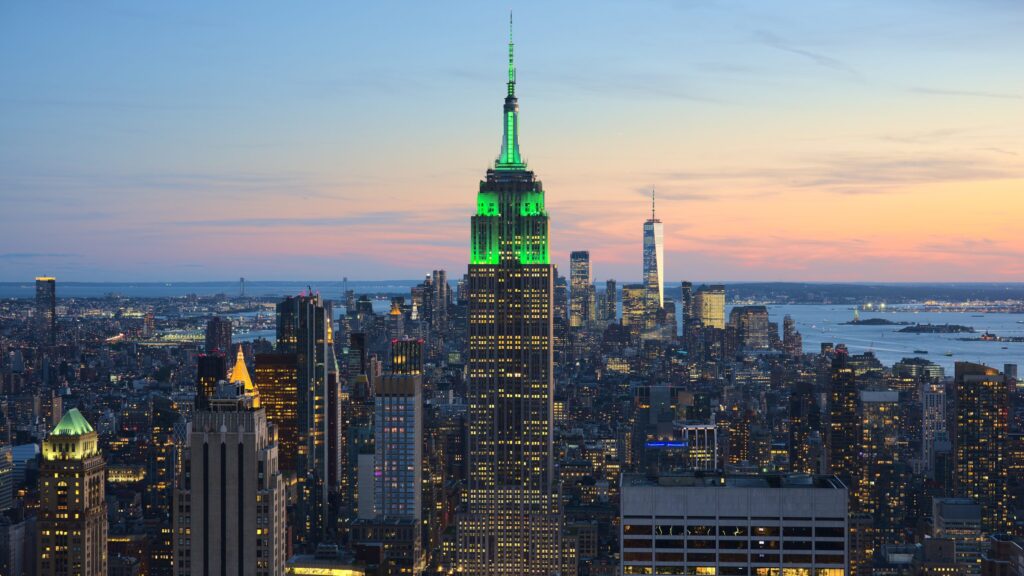
New York City has declared a state of emergency due to widespread flooding caused by heavy rain, bringing the city’s daily life to a grinding halt. The city’s five boroughs, each coextensive with its respective county, are struggling to cope with the aftermath of the deluge. As the most populous city in the United States, New York City’s infrastructure is being severely tested, with residents and commuters facing significant disruptions.
Located at the southern tip of New York State on New York Harbor, one of the world’s largest natural harbors, the city is no stranger to the power of water. However, the scale of the current flooding has caught many off guard, highlighting the need for improved flood defenses and more effective drainage systems.
The city’s geographical location, which has contributed to its growth as a global center of finance and commerce, culture, technology, entertainment, and media, also makes it vulnerable to extreme weather events like this one. The declaration of a state of emergency gives the city’s authorities the power to mobilize resources and respond quickly to the crisis. This includes deploying emergency services, such as the fire department and ambulance crews, to assist those affected by the flooding.
The city’s residents are being advised to stay indoors and avoid traveling unless absolutely necessary, as the floodwaters continue to rise. As the city struggles to come to terms with the scale of the disaster, thoughts are already turning to the longer-term implications of this event and how to prevent similar disasters in the future.
Flood Response and Recovery
The response to the flooding is being coordinated by the city’s emergency management officials, who are working closely with other agencies, such as the Federal Emergency Management Agency (FEMA), to ensure a swift and effective response. The city’s hospitals and other critical infrastructure are being protected, and emergency shelters have been set up for those who have been displaced by the flooding.
As the waters begin to recede, attention will turn to the task of cleaning up and rebuilding, a process that is likely to take several weeks, if not months. As a global center of finance and commerce, New York City’s economy is likely to feel the effects of the flooding, at least in the short term.
Businesses have been forced to close, and many employees have been unable to get to work, resulting in lost productivity and revenue. However, the city’s resilience and ability to bounce back from adversity are likely to be key factors in its recovery. Investing in renewable energy sources, such as solar and wind power, could also help to reduce the city’s energy costs and improve its energy security, making it better equipped to withstand future disasters.
Looking to the future, it is clear that the city needs to take steps to protect itself from the threat of flooding and other extreme weather events. This could involve investing in new flood defenses, such as sea walls and levees, as well as improving the city’s drainage systems.
By taking a proactive approach to managing the risks associated with extreme weather, New York City can help to ensure a cleaner, safer, and more sustainable future for its residents. As the city begins the long process of recovery and rebuilding, one thing is certain – the need to protect our planet and its natural resources has never been more pressing.




