
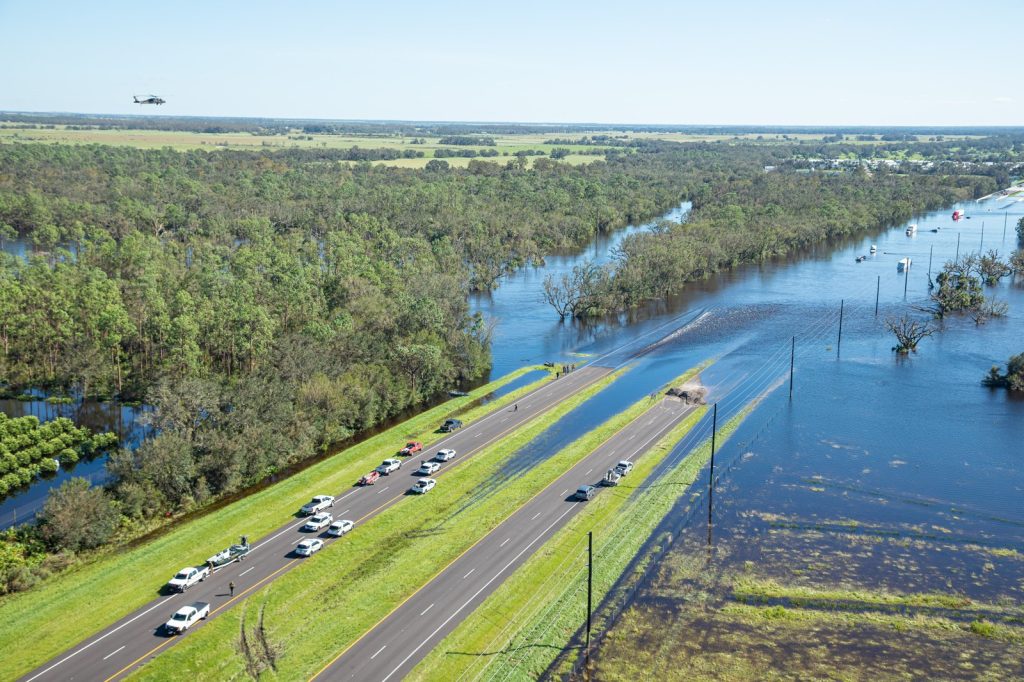
The National Weather Service has declared a Flash Flood Emergency for southern Florida, a designation tied to a statistical event expected only once every 500 to 1,000 years. This alert marks the highest level of warning, indicating that life-threatening flooding is imminent or already occurring, with a certainty of danger to human life. The current flood threat in southern Florida is described as unprecedented by the agency. The 500-to-1,000-year recurrence interval is not a metaphor but a calculation based on historical data and hydrological modeling.
It means the annual chance of such severe flooding ranges from 0.1% to 0.2%—a low probability that is not zero, as the ongoing event demonstrates. The National Weather Service’s ability to issue such warnings is the result of over a century of institutional development.
Established as the United States Weather Bureau in 1891, the agency initially relied on rudimentary forecasts and slow warning systems, a shortfall that historically led to fatalities when communities were caught unaware. Today, operating under the National Oceanic and Atmospheric Administration, the agency leverages advanced technologies and scientific research to deliver real-time, critical information. The alert system’s core purpose is to save lives and protect property and infrastructure.
This blunt objective drives every emergency alert that reaches phones or interrupts broadcasts. In southern Florida, the system is now being tested as it provides unparalleled support to the affected region.
Residents and visitors are urged to exercise extreme caution and follow instructions from local authorities—standard guidance that carries unusual weight given the forecast’s severity. Extreme weather events like this underscore the importance of community preparedness. The National Weather Service can issue warnings, but it cannot compel action.
The gap between a warning issued and a warning heeded can determine outcomes, as the agency’s history has shown. Southern Florida has experienced flooding before, but not at this level.
The 500-to-1,000-year threshold represents a statistical rarity that has become a concrete danger. The agency’s task is to provide accurate and timely warnings to those in harm’s way. That information is now flowing to residents and visitors in real-time.
The power of nature is on full display, and the infrastructure of warning is being tested. The outcome will be measured in lives saved and damage avoided, depending on human response to the forecast.




