
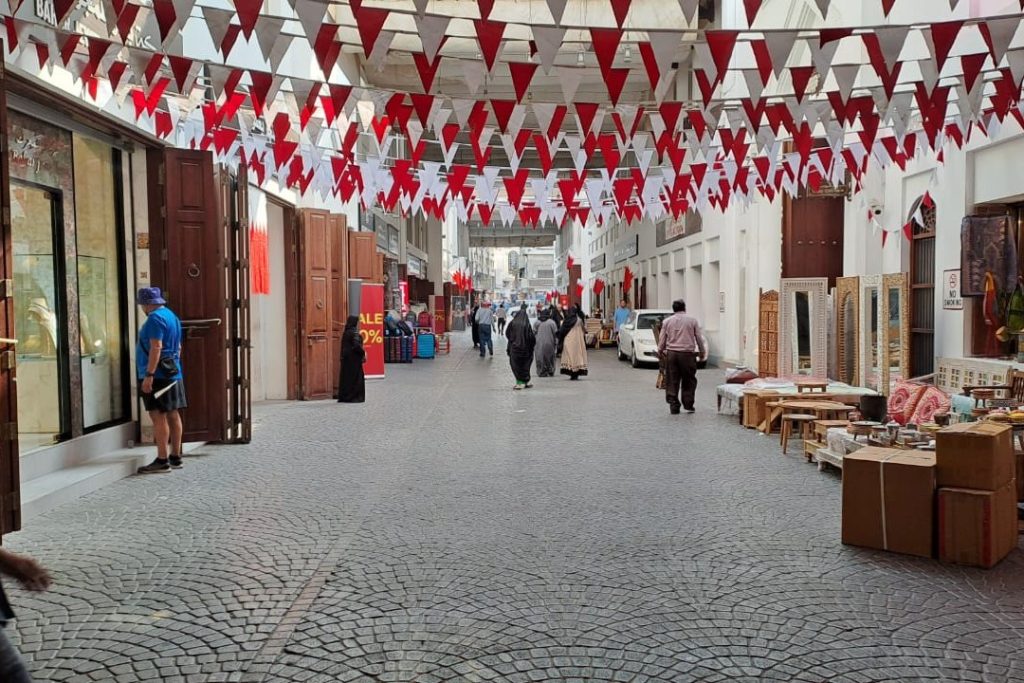
On June 12, 2024, a large blaze erupted in Manama Souq, the historic market district at the heart of Bahrain’s capital. The fire swept through the tightly‑packed lanes, engulfing a total of 25 shops and leaving a number of people with injuries as fire crews battled the flames.
Emergency responders arrived quickly, working to douse the inferno and attend to those hurt in the incident. While the exact number of the injured has not been disclosed, medical teams have been treating victims at nearby facilities. The cause of the fire remains under investigation, with authorities examining the circumstances that led to the outbreak.
Manama Souq is a cherished cultural landmark, known for its narrow alleys and a mix of traditional and modern stalls. Vendors offer a wide array of goods, ranging from gold, spices and textiles to electronics and clothing, drawing both locals and tourists to the bustling marketplace.
The destruction of 25 shops represents a significant blow to the commercial life of the souq and to the livelihoods of the merchants who operate there. In the aftermath, the Bahraini government has pledged assistance to the affected shop owners and to those receiving medical care. Officials have emphasized a collaborative approach with local businesses and residents to rebuild the damaged area, while also addressing broader concerns about safety and preservation of the historic site.
Calls for stronger safety protocols have intensified as the community evaluates how to protect the souq from future incidents. Discussions include upgrading fire‑prevention infrastructure, improving emergency response plans, and incorporating modern safety standards without compromising the market’s historic character.
Beyond immediate reconstruction, there is a growing dialogue about integrating sustainable energy solutions into the souq’s redevelopment. Authorities are considering the use of renewable sources such as solar power to lessen reliance on fossil fuels, improve energy security, and reduce the environmental impact of the market’s operations. The vision articulated by officials is one of a restored souq that balances heritage conservation with contemporary safety and sustainability measures.
By adopting cleaner energy technologies and reinforcing fire‑safety standards, Bahrain aims to safeguard both its cultural assets and its environmental commitments. Community resilience is already evident as shop owners, residents and visitors express determination to revive the marketplace.
The rebuilding effort is expected to draw on local solidarity, government support, and possible private investment to restore the souq to its former vibrancy. While the road to full recovery will be lengthy, the incident underscores the importance of protecting historic urban spaces and the people who depend on them. Observers worldwide are watching Bahrain’s response, noting the broader implications for heritage preservation, disaster preparedness, and sustainable urban development. As restoration work proceeds, the focus will remain on delivering aid to those directly impacted, finalising the fire investigation, and implementing the safety and energy reforms discussed.
The collective aim is to ensure that Manama Souq emerges from the tragedy stronger, safer, and more environmentally responsible, preserving its unique legacy for future generations.




