
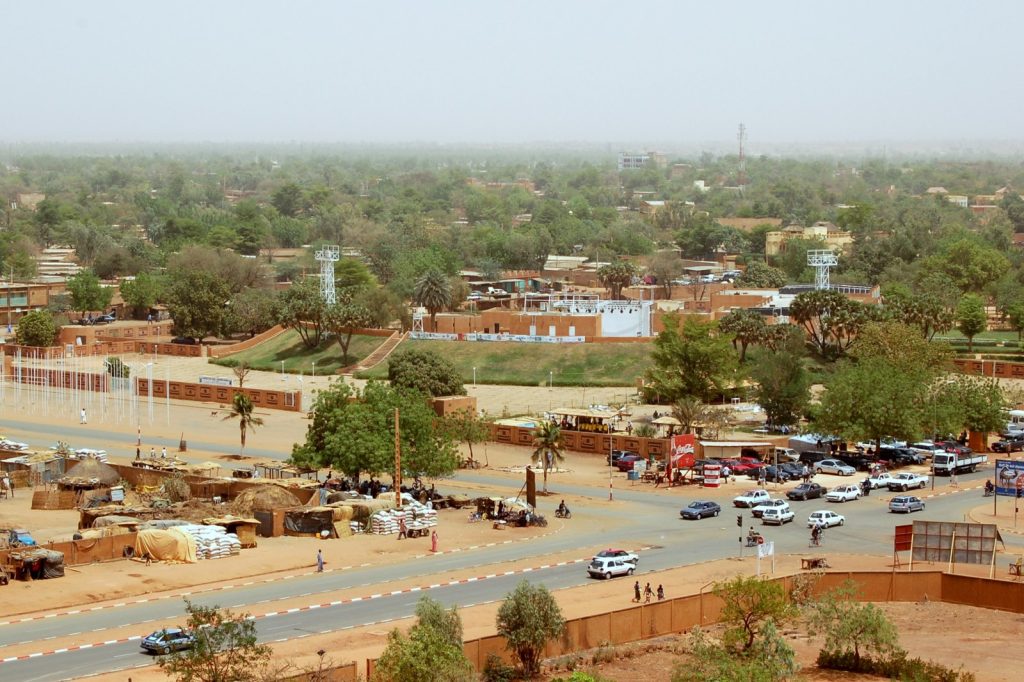
Floodwaters Inundate Maradi’s Grain Reserves
Heavy rains turned into flash floods across Niger, submerging the grain stores of the Maradi region and leaving at least twenty‑one people dead. The deluge struck both the nation’s agricultural heartland and the outskirts of the capital, Niamey, affecting residents in Maradi as well as those living in the city’s suburbs.
The rainfall was unusually intense and arrived with little warning. Maradi, often called the country’s breadbasket, produces the millet, sorghum and cowpeas that feed families and supply market stalls in Niamey. When floodwater covered those fields, it did more than erase a single harvest; it threatened the food supply for months to come.
Beyond the loss of crops, the flood destroyed homes, ripped up roads and wrecked essential infrastructure such as wells, latrines and storage sheds. Survivors now confront a triple shortage: no shelter, no safe drinking water and fields where the standing crops are rotting in the mud.
In the suburbs of Niamey the scene played out differently but with the same outcome. As water rose, households fled, abandoning furniture, cooking utensils, bedding and virtually every personal possession within hours. Emergency teams have been working to rescue people and erect temporary shelters, yet their efforts are hampered by limited resources.
Officials say the government reacted swiftly, but speed cannot compensate for the long‑standing deficiencies that left the region unprepared. Maradi and the surrounding areas lack adequate drainage systems, pumps and heavy‑duty equipment capable of handling a deluge of this magnitude. The disaster therefore lays bare the vulnerability of a nation where many communities were never built to withstand such extreme rainfall.
Niger ranks among the world’s poorest countries, and climate scientists have warned for years that the Sahel would bear the brunt of intensifying weather patterns. The rainfall that caused the floods matches the projections of models that predict more frequent, severe downpours as the planet warms. Consequently, the population is bearing the costs of a problem it contributed little to create.
Humanitarian organisations have begun to notice the crisis and some have pledged assistance, but the divide between what is required and what has arrived remains substantial. Immediate necessities include food, clean water, tarps and medical supplies. Without these, the initial flood‑related death toll could be followed by a second wave of fatalities from water‑borne diseases; stagnant water encourages mosquito breeding, contaminated wells can spread cholera, and children are typically the first to suffer.
The Nigerien authorities are coordinating with local officials to evacuate residents and provide shelter, yet the response continues to be constrained by the same infrastructural shortcomings that magnified the flood’s impact. There are insufficient trucks to transport aid, too few roads still usable, and not enough trained personnel to manage a crisis of this scale.
The path forward hinges on whether the international community moves beyond promises to deliver concrete shipments of food, medicine and other essentials. Offers of support do not replace the need for actual supplies, and pledges cannot rebuild a collapsed granary. Residents of Maradi and the Niamey suburbs require tangible help now.
and
.
Let’s count.
Floodwaters Inundate Maradi’s Grain Reserves
Words: Floodwaters(1) Inundate2 Maradi’s3 Grain4 Reserves5 =>5
Heavy rains turned into flash floods across Niger, submerging the grain stores of the Maradi region and leaving at least twenty‑one people dead. The deluge struck both the nation’s agricultural heartland and the outskirts of the capital, Niamey, affecting residents in Maradi as well as those living in the city’s suburbs.
Count: Heavy1 rains2 turned3 into




