
A wooden boat carrying an estimated 300 passengers sank on the Niger River close to the town of Mokwa in Niger State, Nigeria. The disaster has left over 100 individuals—predominantly women and children—unaccounted for, while rescue teams have so far saved at least 150 people and recovered 16 bodies.
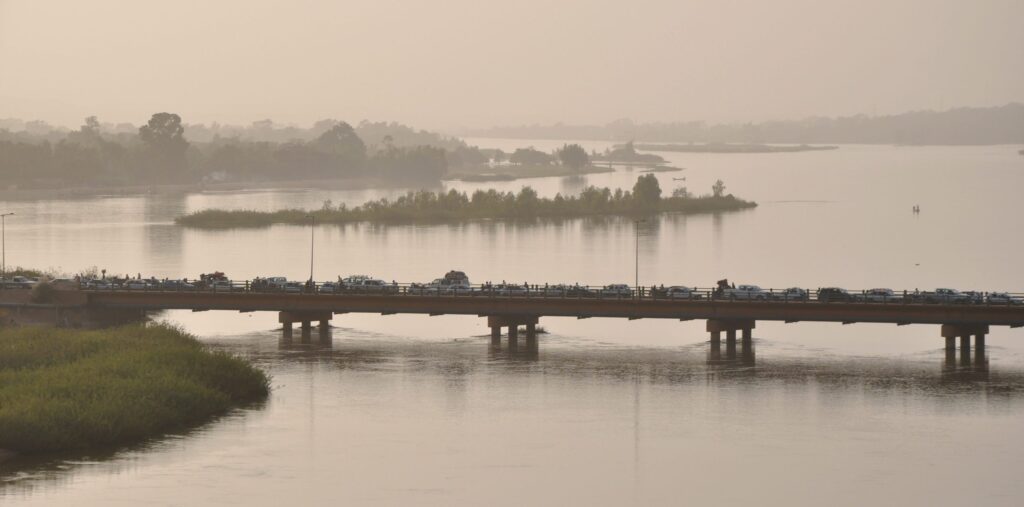
The Niger River, a 4,180‑kilometre waterway that traverses Guinea, Mali, Niger, Benin and Nigeria before emptying into the Gulf of Guinea, is a crucial lifeline for millions across West Africa. Its drainage basin spans roughly 2,117,700 square kilometres, making it the continent’s third‑longest river and the world’s 14th longest. The river supports fishing, agriculture and transport, linking the Guinea Highlands to the Niger Delta.
Details about the cause of the capsizing remain limited, but authorities have launched an investigation aimed at preventing similar incidents. Early reports indicate that the vessel was severely overloaded, a factor that often compromises stability on such craft. Local officials have emphasized the need for stricter safety checks, proper maintenance of boats, and adequate training for crew members.
Rescue operations, coordinated by state emergency services and supported by community volunteers, continue along the riverbanks. Teams have used motorboats and inflatable rafts to reach survivors and search for those still missing. The recovery of 16 bodies underscores the severity of the tragedy and has heightened calls for urgent assistance to affected families.
Beyond the immediate humanitarian response, the accident has revived discussion about the broader management of the Niger River. The river’s extensive reach makes it a vital economic artery, yet its ecological health is vulnerable to overuse and inadequate regulation. Sustainable practices—such as promoting renewable energy sources and enforcing environmental safeguards—are being advocated to protect the river’s biodiversity and ensure its long‑term viability for the communities that depend on it.
Community leaders in Niger State have expressed grief over the loss of life, particularly the high number of women and children among the missing. Public sentiment is focused on both the urgent need to locate survivors and on addressing systemic issues that contributed to the disaster. Calls for improved passenger limits, regular vessel inspections, and better-equipped rescue services are gaining momentum.
The ongoing search is expected to last several days, with authorities urging anyone with information about the incident to come forward. As the region mourns, the tragedy serves as a stark reminder of the importance of stringent safety standards on inland waterways and the necessity of preserving the Niger River’s ecological balance for future generations.




