
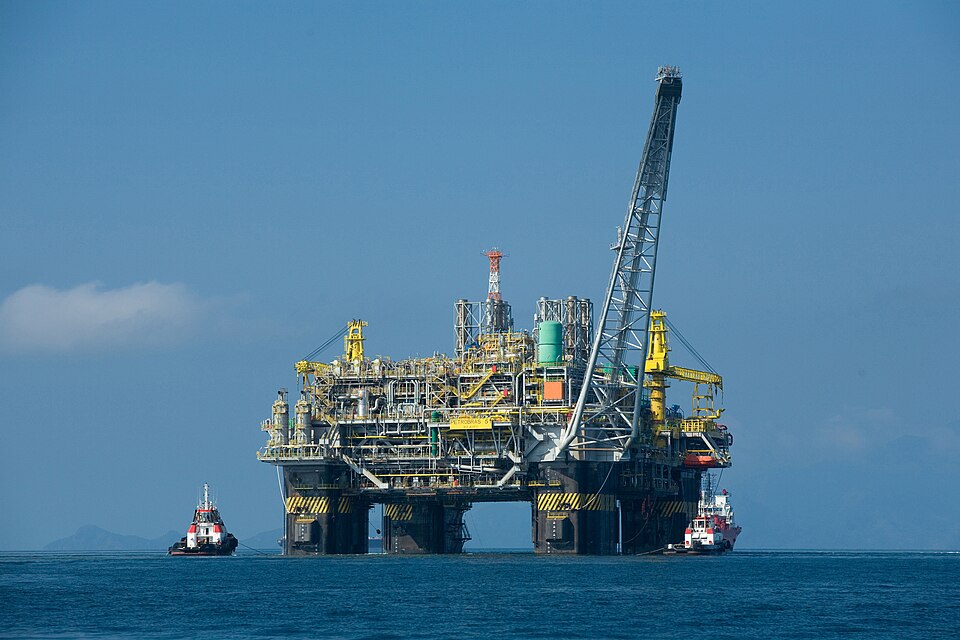
HOUSTON, July 9 — The scene at the refinery along the Houston Ship Channel is one of constant motion. Tanker trucks line up at the loading racks, pipelines hum beneath the pavement, and the air carries that sharp, familiar scent of hydrocarbons. This is where the modern economy gets its fuel, and the numbers tell a stark story of volume and dependence.
A standard 42-gallon barrel of crude oil, the basic unit of the global petroleum trade, does not yield a single product. Refiners crack it into a slate of essentials.
The largest cut, about 19 to 20 gallons, becomes gasoline for the internal combustion engines that power most American vehicles. Another 11 to 12 gallons emerge as diesel, the workhorse fuel for trucks, trains, and farm equipment. Jet fuel accounts for roughly 4 gallons per barrel.
The remainder is split into heating oil, propane, asphalt for roads, and the critical building blocks known as petrochemical feedstocks. Those feedstocks are the invisible engine of modern life.
They are the raw material for plastics—polyethylene, polypropylene, PVC—that become everything from medical tubing to water bottles. They are spun into synthetic fibers like nylon and polyester, the basis for clothing and carpets. The same petroleum molecules are transformed into fertilizers that underpin global agriculture, into pharmaceuticals, cosmetics, and detergents.
The barrel of oil that leaves the ground eventually touches nearly every manufactured object in a consumer’s home. Global thirst for these products is staggering. In 2023, the world consumed about 100 million barrels of oil every single day.
The United States alone burned through roughly 20 million barrels per day, a figure that underscores the nation’s reliance on petroleum for transportation, industry, and heating. The price of this commodity is set not in a single market but through global benchmarks.
Traders watch Brent Crude, the North Sea grade that sets the price for much of the world’s oil, and West Texas Intermediate, or WTI, the benchmark for US crude. When those prices rise, the effect is immediate and broad. Transportation costs climb, manufacturing margins tighten, and the price of goods on store shelves edges upward, feeding inflation.
The International Energy Agency, the Paris-based watchdog for the world’s energy system, reported that as of 2022, oil still accounts for about 31% of global primary energy consumption. That is a dominant share, even as other sources gain ground.
The IEA’s data shows that no single fuel has yet displaced petroleum’s primacy in the global energy mix. What to watch next is the refining margin—the difference between the cost of crude and the selling price of its products. When those margins are fat, refineries run hard.
When they narrow, maintenance is deferred and supply tightens. In a world consuming 100 million barrels a day, even a small disruption in refining capacity sends ripples through gasoline and diesel prices at the pump. The flow of petroleum from wellhead to tailpipe remains the central artery of the global economy, and every barrel counts.
{“@context”: “https://schema.org”, “@type”: “NewsArticle”, “headline”: “Oil Drives Global Economy: Gasoline, Plastics, and Beyond”, “description”: “HOUSTON, July 9 — The scene at the refinery along the Houston Ship Channel is one of constant motion. Tanker trucks line up at the…”, “datePublished”: “2026-07-09T09:30:00+00:00”, “author”: {“@type”: “Person”, “name”: “Isabella Moore”}, “publisher”: {“@type”: “Organization”, “name”: “InfoPulse Today”, “url”: “https://newsfeed.2bme.xyz/”}}




