
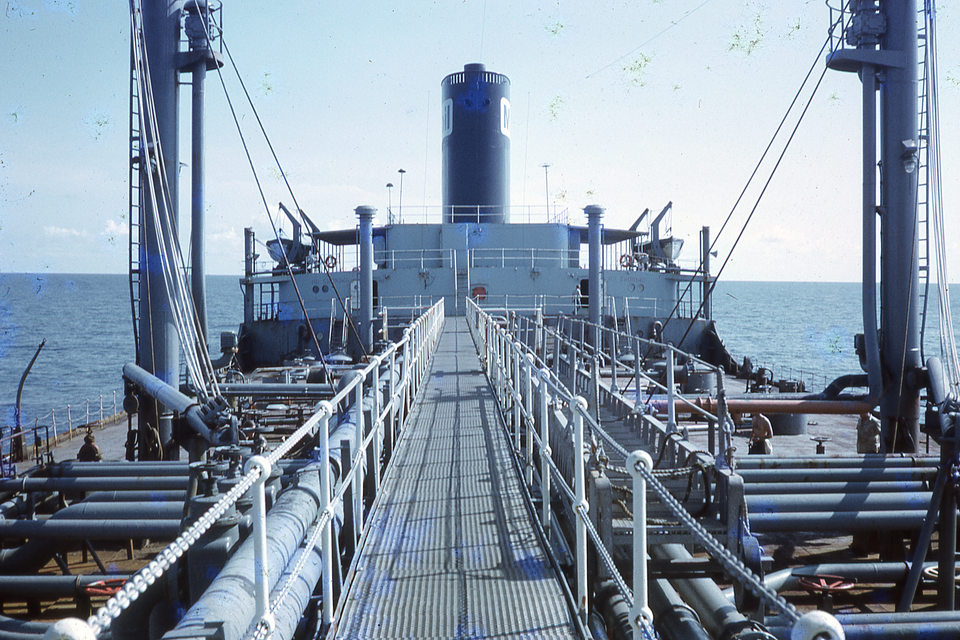
New data from the U.S. Energy Information Administration highlights the enduring strategic importance of the Strait of Hormuz, the narrow waterway that serves as the sole maritime exit for several Persian Gulf nations. The agency reported that an average of 17 million barrels per day of crude oil and petroleum products moved through the strait in 2023, a decline from 18 million barrels per day in 2018. That volume represents a significant share of global seaborne oil trade, and the drop reflects broader shifts in production and consumption patterns that analysts continue to examine.
The figures arrive as global attention intensifies on a passage that has long been central to energy security considerations. The strait connects the Persian Gulf to the Gulf of Oman and is the only sea passage from the Persian Gulf to the open ocean.
Iran lies on its north coast, while Oman and the United Arab Emirates occupy the south coast. Roughly 80 percent of crude oil exports from Iraq, Saudi Arabia, Iran, Kuwait, Qatar, and the UAE must pass through this narrow gap. The waterway has been a strategic chokepoint for global trade for decades, and while it remained open during most Middle East conflicts, Iran occasionally threatened to block the route or prepared to mine its waters.
Those tensions culminated in the 2026 Iran war and the subsequent Strait of Hormuz crisis, underscoring the vulnerability of this critical passage.
Energy Flows and the U.S. Stake
In addition to petroleum, the EIA data shows that liquefied natural gas flows through the strait totaled about 4.5 trillion cubic feet in 2023, with Qatar as the primary source. This LNG component adds another dimension to the energy security considerations surrounding the waterway, as it is a key fuel for markets in Asia and Europe.
The United States imports approximately 3 million barrels per day from the Persian Gulf region, according to the agency. Those figures help frame the potential domestic impact of any disruption. The EIA’s role in tracking these flows provides policymakers and market participants with verifiable data, allowing for informed discussion based on facts rather than speculation.
For the major Gulf producers, the strait represents a critical chokepoint. Iraq, Saudi Arabia, Iran, Kuwait, Qatar, and the UAE all depend on this route to reach international markets.
Because a large share of seaborne oil and liquefied natural gas passes through this narrow channel, any disruption can cause severe supply shortages. The waterway is a primary route for petroleum products heading to Asia and Europe, and it is the only maritime exit for several Gulf nations. This makes the strait a central factor in global energy security, with implications that extend well beyond the region.
Market Response and Domestic Impact
The release of the EIA data prompted an immediate market response. Global oil prices rose 5 percent on the announcement, with Brent crude reaching $85 per barrel. The toll of 20 percent on cargo value is unprecedented, according to available information. Early findings suggest that U.S. consumers could see an increase of $0.10 to $0.20 per gallon in gasoline prices as a result.
The decline in daily flows from 2018 levels of 18 million barrels to 17 million barrels in 2023 reflects broader shifts in production and consumption patterns that analysts continue to study. The EIA’s data provides a baseline for understanding what is at stake, particularly given the history of tensions in the region.
The Strait of Hormuz has long been a focus of U.S. energy policy. The 2026 Iran war and the subsequent Strait of Hormuz crisis demonstrated the potential for conflict to disrupt global energy supplies. Iran’s previous threats to block the route or mine its waters highlighted the fragility of this chokepoint.
While the waterway remained open during most Middle East conflicts, the memory of those threats remains fresh. The EIA’s latest figures underscore the ongoing reliance on this narrow passage and the risks associated with its vulnerability.
As always, consumers and financial professionals are advised to consult relevant energy experts and financial professionals before making decisions based on these early findings.
{“@context”: “https://schema.org”, “@type”: “NewsArticle”, “headline”: “Strait of Hormuz remains vital oil chokepoint despite declining 2023 volumes”, “description”: “WASHINGTON, July 13 — New data from the U.S. Energy Information Administration highlights the enduring strategic importance of the Strait of Hormuz, the narrow waterway…”, “datePublished”: “2026-07-13T09:30:00+00:00”, “author”: {“@type”: “Person”, “name”: “Henry Thomas”}, “publisher”: {“@type”: “Organization”, “name”: “InfoPulse Today”, “url”: “https://newsfeed.infopulsetoday.com/”}}




