
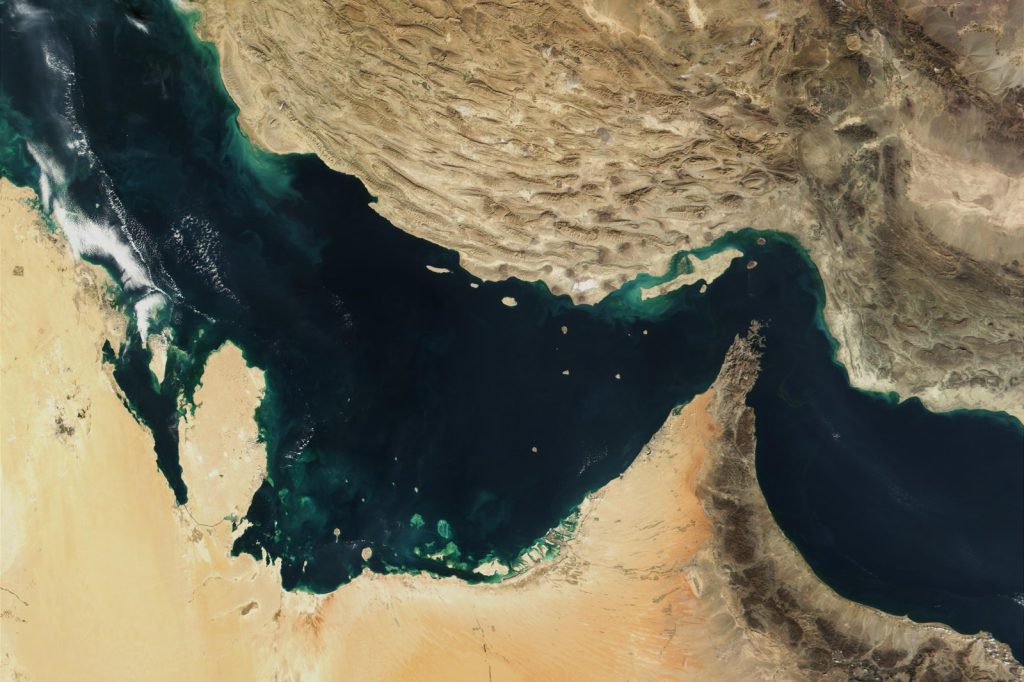
TEHRAN, July 13 — The Strait of Hormuz feels like a held breath tonight. Tankers idle in the Gulf, their crews watching the horizon, as a new American toll on every barrel of oil that transits this narrow waterway takes effect. The 20% levy, announced by President Donald Trump on April 22, is the latest escalation in a confrontation that has defined U.S.-Iran relations for nearly a decade.
The president’s “maximum pressure” campaign, which aimed to reduce Iran’s oil exports to zero, has now taken a direct financial bite out of every cargo moving through the strait. On the ground, shipping agents describe a frantic scramble to reroute cargoes, though few alternatives exist for the world’s most critical oil chokepoint.
By nightfall, the first vessels subject to the new toll will have cleared the strait, their operators facing a stark new calculus.
The long shadow of the JCPOA withdrawal
This moment has been building since May 2018, when Trump withdrew the United States from the Joint Comprehensive Plan of Action, the nuclear deal negotiated under the previous administration. The move reimposed sanctions on Iran that had been lifted under the agreement. It was a signature break from multilateral diplomacy, and it set the stage for everything that followed.
Less than two years later, on January 3, 2020, Trump ordered the drone strike that killed Iranian General Qasem Soleimani. The assassination of one of Iran’s most powerful military figures brought the two countries to the brink of open conflict.
Tehran responded with ballistic missile strikes on Iraqi bases housing American troops. No U.S. service members were killed, but the region has remained on edge ever since. Trump, now a candidate for the 2024 presidential election, has never wavered from his “America First” foreign policy doctrine.
The toll on Strait of Hormuz cargo is a direct extension of that worldview: make adversaries pay, reduce U.S. military commitments abroad, and use economic leverage as the primary tool of statecraft.
A president twice impeached, twice acquitted
The man driving this policy has a complicated political history. Trump served as the 45th president from January 20, 2017 to January 20, 2021. He was impeached twice by the House of Representatives — first in December 2019 on charges of abuse of power and obstruction of Congress, and again in January 2021 for incitement of insurrection.
The Senate acquitted him both times. Before politics, he built a real estate empire and became a household name as the host of “The Apprentice,” which ran from 2004 to 2015.
A Republican and a businessman, he brought a transactional approach to international relations that his supporters praise as tough and his critics condemn as destabilizing. Now, with the Strait of Hormuz toll in place, the question is whether Iran will respond with force, with diplomatic maneuvering, or with something in between. The strait carries about a fifth of the world’s oil.
Any disruption here sends shockwaves through global energy markets. By nightfall, the first day of the new regime will be in the books.
The region waits to see what comes next.




