
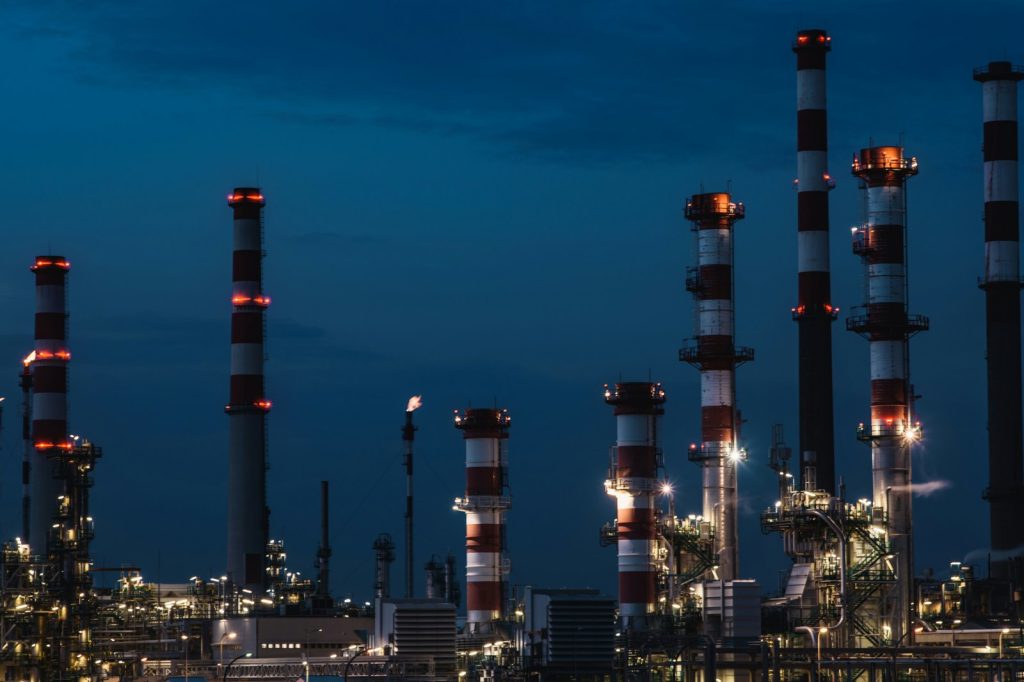
OMSK, July 7 — The Omsk Oil Refinery, a facility that converts roughly 21 million tons of crude oil annually into gasoline, diesel, jet fuel and fuel oil, sits at the center of a strategic calculation that Moscow is still trying to balance. Owned by Gazprom Neft, the oil arm of the state gas giant Gazprom, the refinery is Russia’s largest. Its output feeds domestic markets and, according to available records, supports Russian military logistics.
On January 25, 2024, a drone strike hit the facility. The attack caused a fire but no casualties.
The choice of target was not random. The refinery’s contribution to Russia’s energy revenues — which accounted for roughly 30% of the federal budget in 2023 — made it a logical pressure point. The strike aimed to reduce fuel availability for Russian forces in Ukraine.
The mechanics of the target
The refinery is located in Omsk, Siberia. Its annual processing capacity of 21 million tons places it ahead of any other Russian refinery. That volume matters because refining is the step that turns crude into usable products.
Russia exported about 7 million barrels per day of crude oil and petroleum products in 2023. The Omsk facility is a key node in that conversion chain.
Disrupt the refinery, and you disrupt the flow of fuel to both civilian consumers and military units. The January 2024 strike was a direct attempt to do exactly that. The fire was contained, and there were no casualties, but the incident underscored a vulnerability that Moscow has been forced to reckon with.
The catch is that protecting a facility of this scale is not straightforward. A refinery covers a large area.
Its critical infrastructure — distillation columns, cracking units, storage tanks — is exposed. Drones are cheap relative to the damage they can inflict. The economics of defense here are unfavorable to the defender.
Follow the money
Energy revenues accounted for roughly 30% of the Russian federal budget in 2023. That figure gives context to why the Omsk refinery matters beyond its physical output. The refinery is a revenue-generating asset.
Its products are sold domestically and, indirectly, support the export earnings that fund the state. Gazprom Neft, the owner, is a subsidiary of Gazprom.
That corporate structure means the refinery sits within the broader state-controlled energy apparatus. Profits from the refinery flow upward through that chain. A disruption at Omsk does not just affect fuel supply; it affects the financial pipeline that feeds the budget.
On closer reading of the available data, the January 2024 strike was not an isolated act of sabotage. It was a calculated move to impose costs on a specific revenue stream.
The refinery’s role in supporting Russian military logistics made it a legitimate target under the logic of the conflict. The strike aimed to reduce fuel availability for Russian forces in Ukraine. That is a direct link between a commercial facility and a military operation.
Strategic implications
The Omsk refinery is not the only such facility in Russia, but it is the largest. Its loss, even temporarily, would create a gap in domestic fuel supply that other refineries would struggle to fill. The January 2024 strike did not achieve that level of disruption, but it demonstrated that the capability to attempt it exists.
Russia’s energy infrastructure has become a theater of the conflict in ways that were not the case in earlier phases. Refineries, pipelines, storage depots — these are now understood as military targets.
The Omsk strike was one data point in that pattern. The refinery continues to operate. Its capacity remains at 21 million tons per year.
The fire from the January 2024 strike was extinguished, and production resumed. But the strategic calculation has shifted.
Every refinery in Russia now carries a risk premium that did not exist before the war. What to watch next is whether further strikes target the Omsk facility again, or whether the pattern shifts to other refineries in the Gazprom Neft portfolio. The economics of drone warfare favor the attacker.
The defender must invest in layered air defense, electronic warfare, and physical hardening. Those investments are expensive and not always effective. The Omsk refinery, as Russia’s largest, will remain a high-value target as long as the conflict continues.
{“@context”: “https://schema.org”, “@type”: “NewsArticle”, “headline”: “Omsk Oil Refinery Fuels Russia’s War Machine as Key Hub”, “description”: “OMSK, July 7 — The Omsk Oil Refinery, a facility that converts roughly 21 million tons of crude oil annually into gasoline, diesel, jet fuel…”, “datePublished”: “2026-07-07T09:30:00+00:00”, “author”: {“@type”: “Person”, “name”: “Beatrice Ferrari”}, “publisher”: {“@type”: “Organization”, “name”: “InfoPulse Today”, “url”: “https://newsfeed.infopulsetoday.com/”}}




