
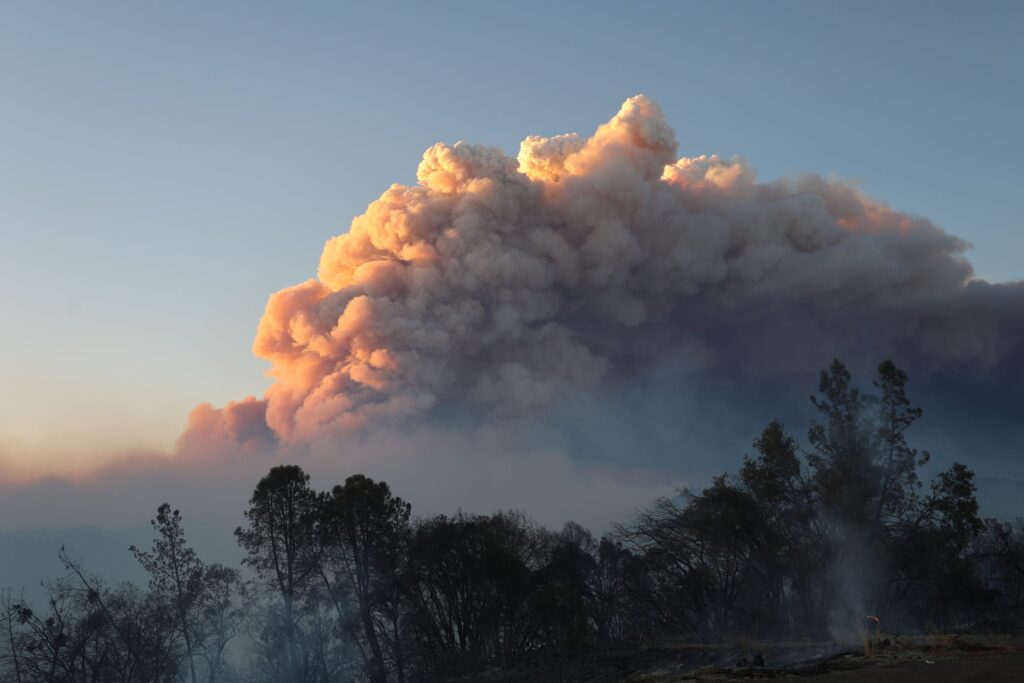
By July 28, 2024, the Park Fire had engulfed more than 350,000 acres of rugged terrain in Northern California, according to fire officials. The blaze began on July 24 in Bidwell Park, located in Butte County, and quickly outpaced early containment attempts. Within days the fire surged into the Ishi Wilderness and the Lassen National Forest, areas characterized by steep, inaccessible landscapes that have hampered firefighting crews. The challenging topography has forced responders to rely heavily on aerial drops and limited ground access, extending the duration of the emergency.
At least 134 structures have been lost to the flames, prompting mass evacuations from foothill communities surrounding the fire zone. Residents have been directed to temporary shelters as authorities continue to assess the safety of returning to their homes.
The spread of the fire has also led to the closure of Lassen Volcanic National Park, halting tourism and recreation in the area. Local businesses that depend on park visitors are facing significant economic strain while the fire suppression effort already accounts for millions of dollars in expenses. Investigators have classified the origin of the Park Fire as a suspected act of arson, igniting the initial blaze in Bidwell Park.
This allegation has intensified calls for heightened vigilance and stronger preventive measures to curb human‑caused wildfires in vulnerable wildland regions. Beyond the immediate destruction of homes and infrastructure, the fire raises serious environmental concerns.
The blaze has ripped through diverse habitats in the Ishi Wilderness and Lassen National Forest, threatening wildlife populations and plant communities. While the full ecological repercussions remain uncertain, experts warn that some species could face long‑term disruption or local extinction. Air quality has deteriorated as smoke and ash drift over nearby towns, and runoff from the burned landscape poses a risk to water sources.
Officials emphasize the need for ongoing monitoring of both air and water conditions as the fire continues to burn. Firefighters remain on the front lines, working around the clock to gain control of the perimeter and protect remaining structures.
The operation combines ground crews with aerial support, reflecting a coordinated strategy aimed at limiting further spread. Community leaders stress that the recovery process will be extensive. Restoring damaged ecosystems, rebuilding homes, and reviving the tourism sector will require sustained investment and collaboration among federal, state, and local agencies.
The Park Fire underscores the importance of robust fire‑management policies, especially in regions where steep terrain and dense vegetation create ideal conditions for rapid fire growth. As the incident unfolds, authorities are urging the public to stay informed about evacuation orders, air‑quality advisories, and ongoing safety measures.
Looking ahead, officials hope that lessons learned from this event will inform future prevention strategies, including stricter enforcement against arson, public education on fire safety, and the integration of renewable energy solutions to lessen broader climate pressures that exacerbate wildfire risks.




