
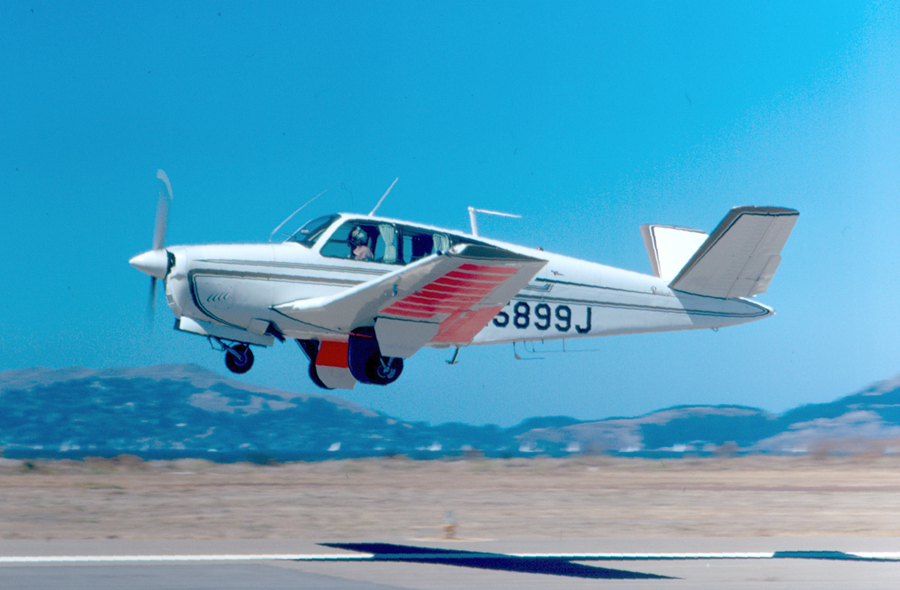
On the morning of March 9, 2025, a Beechcraft Bonanza carrying five occupants left Lancaster Airport and crashed moments after take‑off, striking a retirement community in Manheim Township, Pennsylvania. The sudden impact left the quiet residential area in turmoil and prompted an immediate response from local emergency services.
Authorities arrived quickly to secure the scene and assist residents, but the densely populated setting complicated rescue efforts. All five people aboard the aircraft were killed, and the incident has left families and neighbors grappling with the loss. The crash has also ignited a broader discussion about the safety of operating small aircraft near residential zones and the proximity of airports to populated neighborhoods.
The aircraft involved is a Beechcraft Bonanza, a single‑engine general‑aviation model first produced in 1947 by the Beech Aircraft Corporation of Wichita, Kansas. More than 18,000 Bonanzas have been built, making the type one of the most recognizable in private and charter aviation.
The model is offered in both V‑tail and conventional‑tail configurations; early conventional‑tail versions were marketed under the name “Debonair.” Its four‑to‑six seat layout and reliable performance have kept it popular among private pilots for decades. Following the crash, the National Transportation Safety Board (NTSB) has been notified and is expected to lead the investigation. Investigators will examine flight data, aircraft maintenance records, pilot qualifications, and any potential environmental or mechanical factors that could have contributed to the accident.
Findings from the NTSB will likely shape future safety recommendations for operations of similar aircraft, especially when flying near residential developments. Community members expressed shock at the tragedy that unfolded in what had been a tranquil setting.
Residents described the retirement community as a place chosen for its peace and quiet, now forever altered by the event. The incident has also raised questions about how airports and flight paths are managed in relation to nearby housing, prompting local officials to review existing safety protocols. Beyond immediate safety concerns, the crash has revived dialogue about the environmental impact of traditional aviation fuel.
The Bonanza’s single‑engine design relies on conventional fossil‑based fuel, a factor that some observers note as less compatible with growing efforts to reduce aviation’s carbon footprint. While the aircraft’s design remains respected for its longevity and performance, the accident underscores the industry’s ongoing challenge to balance operational safety with environmental responsibility.
Local emergency responders, after stabilizing the crash site, coordinated with investigators to preserve evidence while providing support to affected families. The swift response, despite the logistical difficulties presented by the residential location, helped prevent further injuries and allowed authorities to begin the investigative process. As the investigation proceeds, officials will assess whether any procedural lapses, mechanical failures, or external conditions played a role in the crash. The outcome will inform not only local policy but also broader aviation safety standards, potentially influencing how small aircraft are routed over populated areas nationwide.
The Manheim Township crash serves as a stark reminder of the inherent risks associated with general‑aviation flights and the importance of rigorous safety oversight. It also highlights the need for continued advancement in sustainable aviation technologies, as the industry seeks to lower its reliance on fossil fuels while maintaining safety for both pilots and the communities beneath flight paths.
Families of the victims, local residents, and aviation professionals alike await the NTSB’s report, hoping that the findings will lead to measures that prevent similar tragedies and restore confidence in the safety of small‑plane operations near residential neighborhoods.




