
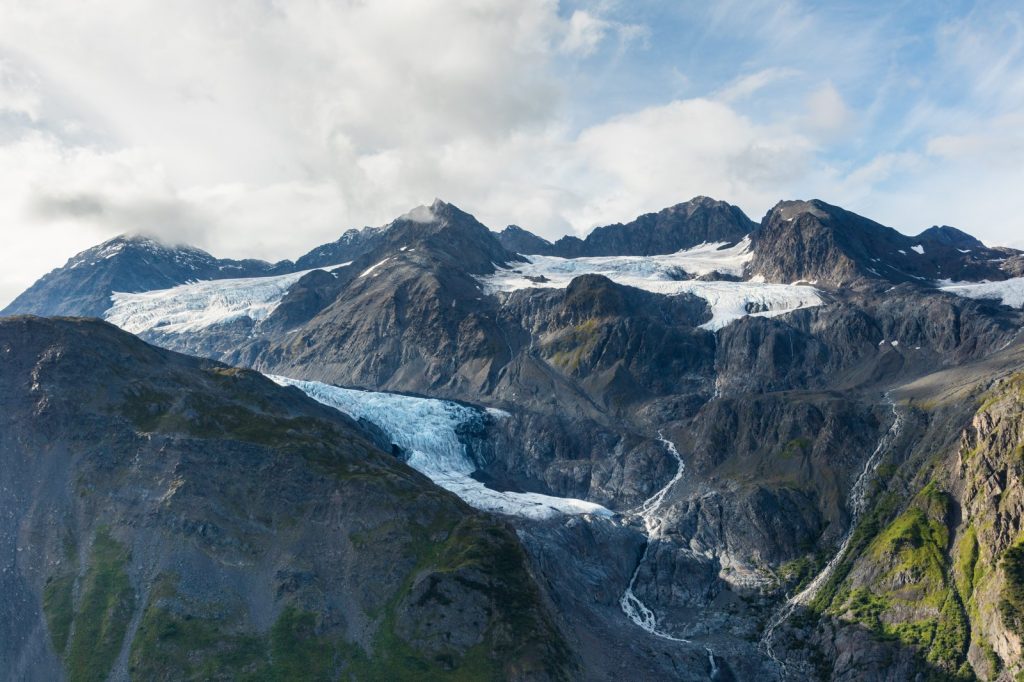
The effort to locate three skiers entombed beneath more than 30 feet of avalanche debris in Alaska’s Chugach Mountains has stretched into its third day, with rescue teams reporting no signs of life. The massive snow slide occurred on March 5, carving down a steep slope and leaving families in agonizing limbo while crews dig through compacted snow. Rescuers face extraordinarily difficult conditions. The debris field, where the avalanche deposited its load, measures over 30 feet deep, creating heavy, tightly packed snow that hampers both probing equipment and avalanche rescue dogs.
The Chugach range’s snowpack presents particular challenges due to its layered structure, formed by the interplay of maritime weather systems from the Pacific and continental climate patterns inland. Experts identify this combination as a “persistent weak layer”—a buried stratum that can fail catastrophically when stressed by subsequent snowfall.
The same conditions that drew expert skiers to this remote terrain also proved lethal. The missing individuals were part of a small group, though authorities have not clarified the exact number traveling together. They entered backcountry that demands specialized safety gear: avalanche transceivers, probes, shovels, and airbags.
It is believed they carried all of this equipment. It made no difference against the slide’s force.
Avalanche survival statistics are stark. Burial depths exceeding six feet dramatically reduce survival odds. At 30 feet, the probability of finding anyone alive approaches zero.
This incident marks the second major avalanche in the Chugach range this winter. The area, renowned among extreme skiers and snowboarders for its steep faces and deep powder, has a documented history of fatal slides.
Rescue operations involve personnel from the Alaska Avalanche Information Center, local search and rescue organizations, and volunteers. These teams themselves work in avalanche-prone terrain, with the threat of a secondary slide complicating every movement. Helicopters have conducted aerial surveys of the debris field, but deep snow and instability risks restrict ground access.
No names of the missing skiers have been released. Authorities have not officially confirmed deaths, but their language—referring to the individuals as “suspected to be killed”—indicates recovery rather than rescue is anticipated.
Guiding operations throughout the region have been halted pending investigation. The tragedy has sparked renewed discussion within the skiing community about acceptable risk in unregulated wilderness. The Chugach lacks ski patrols, explosive slope stabilization, or boundary markers.
Every skier entering this environment accepts the inherent danger. The Alaska Avalanche Information Center is expected to release a detailed report examining the slide’s trigger, snowpack conditions, and whether warning signs were missed.
Such reports typically serve as learning tools, though they cannot undo the loss. The Chugach will continue attracting skiers. Snow will accumulate. Layers will form.
Eventually, someone will test a slope that fails. This time, three people paid the ultimate price.




