
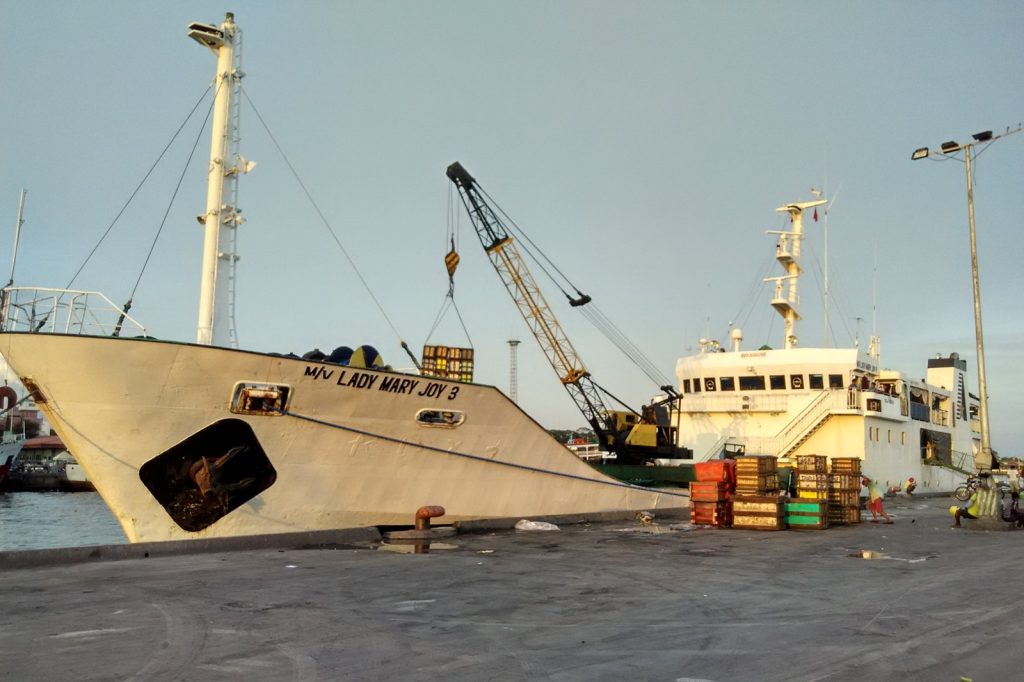
Thirty bodies came out of the burned ferry on Friday, taking the death toll from the Philippine fire to 35. The Philippine Coast Guard had earlier confirmed at least five dead.
The vessel caught fire on Wednesday on the way from Manila to Palawan province, in the west of the country. It was engulfed in flames while carrying more than 130 people. The manifest listed 134 on board, 117 passengers and 17 crew, on a 53-metre (174-foot) ferry licensed for 306 passengers and 27 crew. Two passengers named on the manifest told authorities they never boarded. Fifty-four people remain missing, and authorities counted 43 survivors.
Rescuers could not get inside on Thursday. Heat and smoke kept them out and slowed the search for anyone trapped. Photos released by the Coast Guard on Friday showed the charred interior, with ashes, burned metal, a burned-out car and what looked like human remains.
Coast Guard spokesperson Commodore Noemi Cayabyab said the remains were found in the ferry’s economy accommodations, and that police forensic investigators were examining them so they could be recovered and identified. “We recognise the grief of the families affected by this tragic incident,” she said. “Rest assured that operations are carried out with utmost respect for the deceased and their bereaved families.”
Cause still unclear
Nobody has said what started the fire, which began as the ferry neared the end of its trip to a popular tourist spot in northern Palawan. The Maritime Industry Authority (MARINA), citing survivor accounts, said two explosions in quick succession were heard inside the ship before it caught fire.
Families have been calling and messaging the ferry companies for word on their relatives. Al Jazeera’s Jamela Alindogan, reporting from Manila, said survivors were giving better information than the ferry company. “Much of the information coming from the government and the private sector had been controlled,” she said.
The journey from Manila takes more than a day, Alindogan said, and costs about $50 by ferry against about $100 for a flight. For millions of Filipinos, she said, it is the most affordable option. Sea accidents are not rare in the archipelago, where storms, poorly maintained vessels, overcrowding and patchy enforcement of safety rules, especially in remote provinces, are common causes.




