
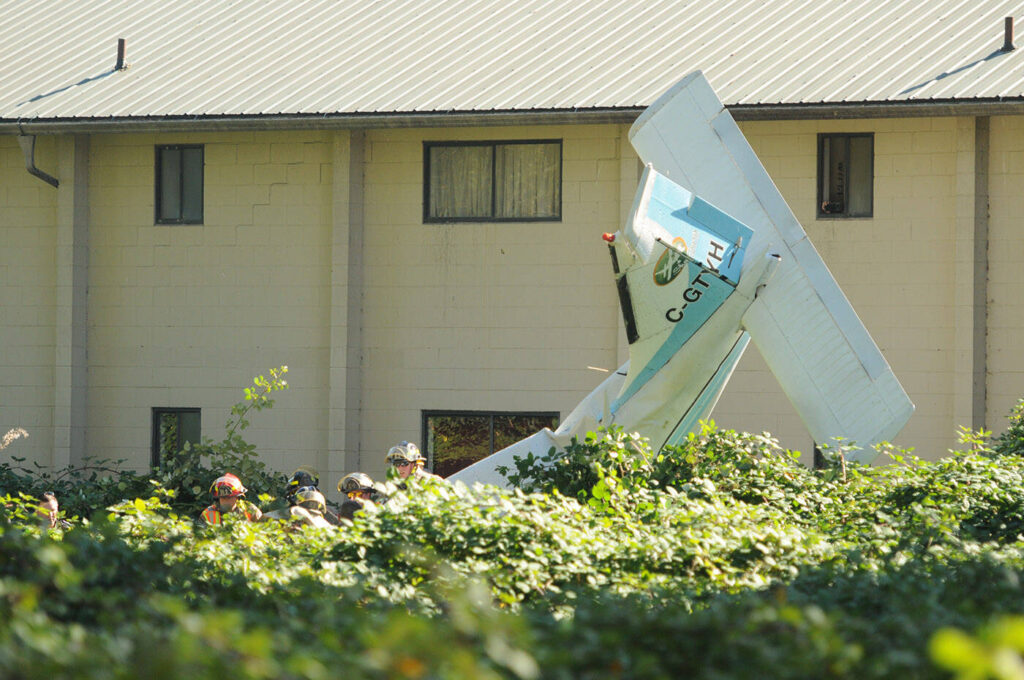
On October 6, 2023, a Piper PA‑34 Seneca that was being used for flight‑training purposes went down in the vicinity of Chilliwack, British Columbia. All three occupants of the twin‑engine aircraft were killed, prompting an immediate response from local authorities and the aviation community. The aircraft involved is a Piper PA‑34 Seneca, a light twin‑engine model that has been in production, though not continuously, since its introduction by Piper Aircraft in 1971.
Over the decades the Seneca has become a common platform for both private and business travel as well as for multi‑engine class‑rating instruction, praised for its versatility and reliability in a range of operating conditions. Details surrounding the accident remain limited as investigators begin their work.
The crash site, the exact flight path, and any mechanical or human factors that may have contributed have not yet been disclosed. What is clear, however, is the profound impact the loss has had on the families of the three individuals on board and on the broader community of pilots and instructors who rely on the Seneca for training. While the Seneca’s long production history underscores a design that has endured for more than half a century, the Chilliwack incident serves as a stark reminder that even well‑established aircraft are subject to the inherent risks of aviation.
The tragedy has reignited discussion about safety standards in flight‑training programs and the importance of continual investment in both equipment and instructor proficiency. Beyond the immediate safety concerns, the accident occurs at a time when the aviation sector is exploring ways to lessen its environmental footprint.
Industry stakeholders are increasingly looking toward electric and hybrid‑electric propulsion technologies as potential pathways to reduce emissions and operating costs. Though these advancements are still emerging, they reflect a broader commitment within aviation to adopt cleaner energy solutions and to address the environmental challenges associated with traditional fossil‑fuel‑powered flight. The loss of the three crew members also highlights the personal sacrifices made by those pursuing aviation careers.
Training on complex, multi‑engine aircraft like the Seneca equips pilots with critical skills, but it also carries heightened responsibilities and risks. The incident underscores the need for ongoing emphasis on safety culture, rigorous maintenance regimes, and robust emergency preparedness.
As the investigation unfolds, authorities will examine factors such as weather conditions, pilot training records, aircraft maintenance history, and any possible mechanical failures. Findings from this inquiry are expected to inform future safety recommendations and may influence training curricula for multi‑engine aircraft. Community members in Chilliwack have expressed condolences to the victims’ families, and local aviation groups have offered support to those affected.
The tragedy is expected to leave a lasting imprint on the region’s aviation community, prompting renewed focus on both safety and the pursuit of sustainable aviation practices. Looking ahead, the aviation industry continues to balance the dual goals of safety and environmental stewardship.




