
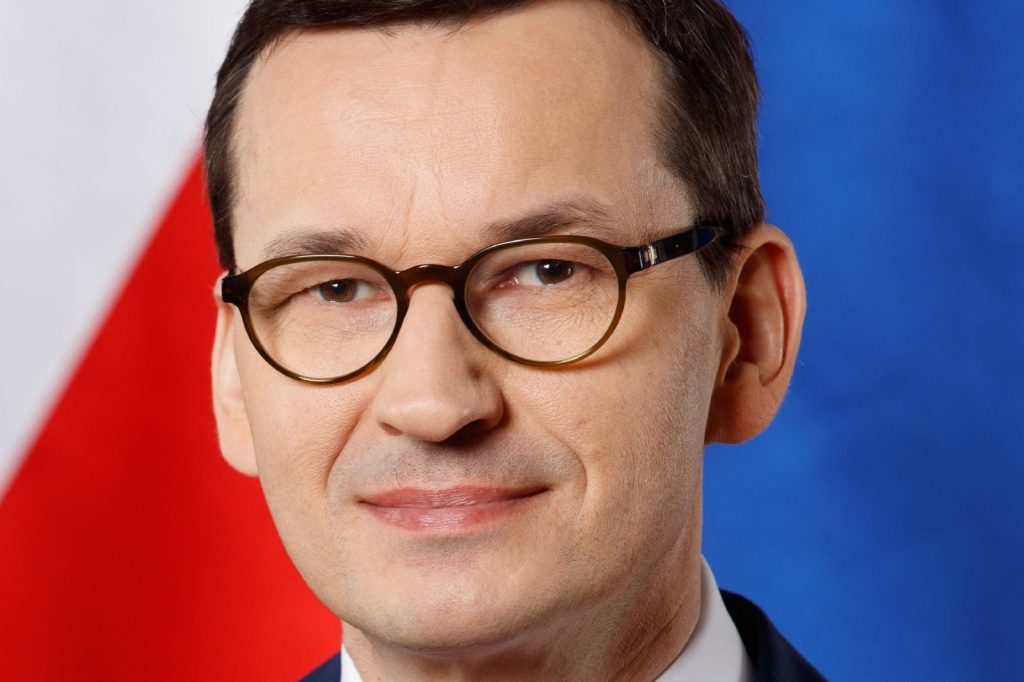
Prime Minister Mateusz Morawiecki told reporters that Poland will stop all imports of Russian oil by the end of 2022, with no gradual reduction or exemption clauses. The decision follows a ban on Russian coal that is set to be fully enforced in May. Warsaw frames the move as a national‑security measure, arguing that any payment to Moscow finances the war in Ukraine.
Context Across the Continent
The Polish policy shift arrives as Europe confronts a tightening energy outlook. Germany has warned that its gas storage levels are critically low, prompting the government to urge households and industry to cut consumption immediately, well before the heating season begins.
The German alert highlights the broader challenge of reducing reliance on Russian energy while maintaining supply for factories and households.
EU Response and Energy Dependence
While Poland moves swiftly, the European Union has not adopted a unified stance on immediate sanctions against Russian oil. Member states remain dependent on Russian crude and gas for heating, industrial processes and transport, making a rapid break difficult. The divergent capacities of EU countries—some with LNG terminals, nuclear power, or coal reserves, others limited by geography and pipeline infrastructure—mean that the ability to replace Russian supplies varies widely.
Russia’s Payment Conditions
Moscow has insisted that European buyers pay for oil in rubles, a demand that forces purchasers to support a sanctioned currency. This requirement creates a dilemma for European importers, who must choose between complying with the ruble payment or facing the loss of Russian oil supplies.
Implications for Poland and Its Neighbours
Poland’s abrupt cessation of Russian oil will require its refineries to secure alternative crude sources quickly. The country’s decision also serves as a call for other EU members to follow suit, emphasizing the strategic cost of continuing to fund the conflict through energy purchases. In contrast, Germany is relying on immediate conservation measures and whatever alternative supplies can be arranged to bridge the shortfall.
Broader Market Shifts
The European energy market is undergoing a rapid reconfiguration. Nations turning to suppliers such as Norway, Qatar, the United States and other Gulf states may gain a strategic advantage, while those slower to diversify risk supply disruptions, potential blackouts, or the need to accept Russia’s ruble payment terms. Each cargo of non‑Russian oil or gas now carries heightened geopolitical significance.
Outlook
Poland’s early exit from Russian oil reflects a calculation that the strategic risks of financing the war outweigh the economic pain of finding new suppliers. Germany’s focus on demand‑side reductions underscores the urgency of the current supply crunch. The EU’s overall strategy will depend on how quickly member states can secure alternative energy sources and coordinate policy responses.
The divergent approaches of Warsaw and Berlin illustrate the pressures facing Europe as the conflict in Ukraine reshapes the continent’s energy landscape.




