
The arrival of Portuguese explorers in the Amazon during the 1690s brought an unexpected discovery: gold. This find triggered what historians now identify as the longest sustained gold rush in recorded history, an event that fundamentally transformed the region and continues to shape Brazil’s mining industry today.
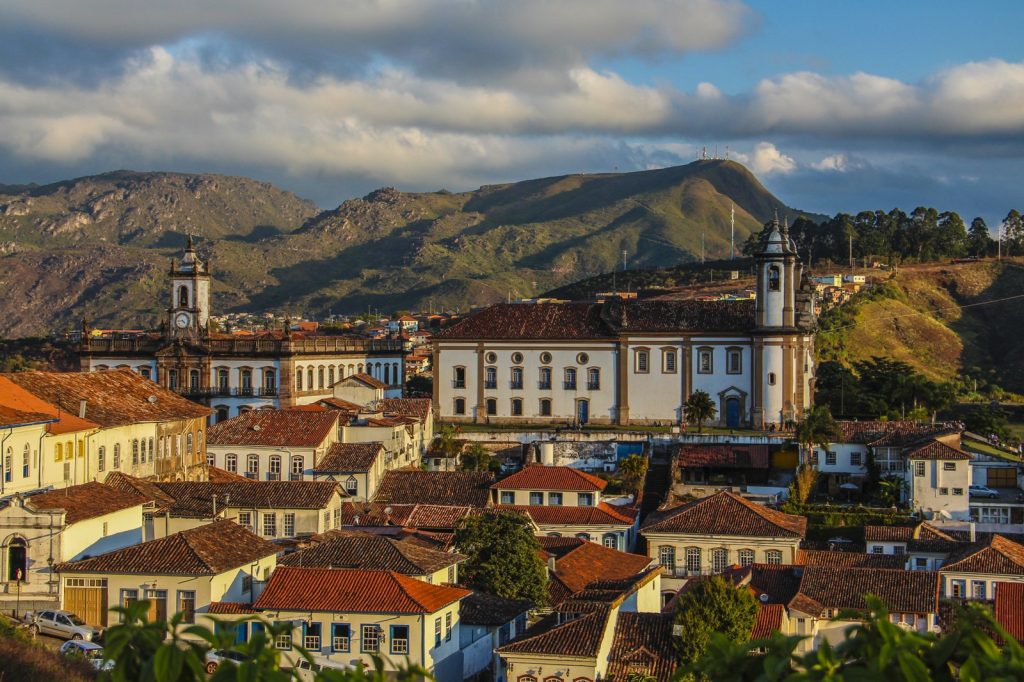
The epicenter of this activity was the area now known as Minas Gerais, a name that translates to “general mines” in Portuguese. Between 1693 and 1695, a flood of prospectors arrived from Portugal and other parts of South America. They came in such numbers that they quickly overwhelmed existing colonial settlements.
Yet these newcomers brought no organized system with them. No formal mining institutions were established, and no structured framework governed extraction or claim ownership.
What emerged was a chaotic, inefficient industry. Miners worked without coordination, leaving significant amounts of gold in the ground or losing it through primitive techniques. This lack of structure proved crucial.
From its earliest days, Brazilian gold mining grew around individuals rather than institutions—a pattern that has never fully corrected itself. For decades, the rush generated enormous economic activity.
Money poured into the Amazon, and political power concentrated around mining areas, affecting Brazil and its neighbors. But when the easily accessible surface gold disappeared, no infrastructure existed to support deeper extraction. The industry stalled, surviving but failing to modernize.
The turning point came through agricultural reform programs designed for an entirely different purpose. The government sent Brazilians into the jungle to farm, building roads and creating supply chains.
These developments had unintended consequences. The same workforce that cleared land for crops also dug for gold. The roads built to transport food carried mining equipment instead. Agricultural programs, meant to feed people, ended up sustaining a gold industry that had never developed proper institutions of its own.
This connection is not a minor detail. It explains why gold mining remains a significant sector in Brazil today.
Without those reform programs, the industry might have become a historical footnote. Instead, it received a second life. The workforce and infrastructure built for agriculture became the backbone of modern gold mining.
While methods and technology have improved over time, the fundamental structure has not changed. Brazilian gold mining still operates haphazardly, lacking the institutional oversight that other mining economies established centuries ago.
The environmental and social costs, as reports make clear, are the direct result of an industry that grew without rules from the beginning. This is not a story about a gold rush that ended. It is a story about one that never stopped—and never got organized.
The Portuguese found gold in the 1690s. Brazilians are still dealing with the consequences.




