
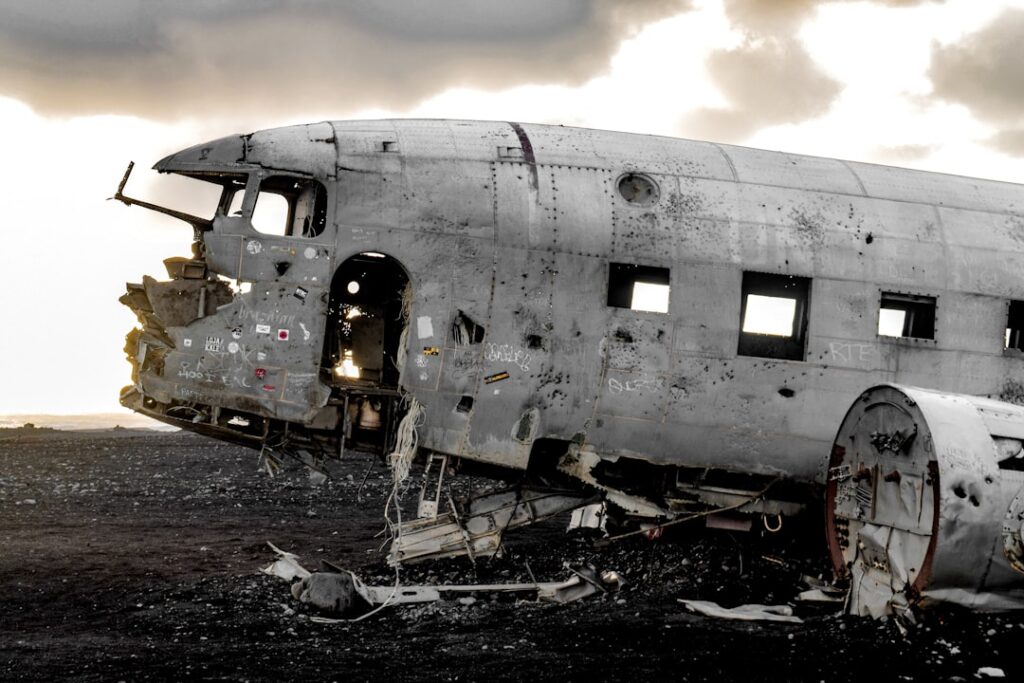
On 6 March 2024 a privately‑operated plane went down shortly after departing from Diapaga Airport in Burkina Faso’s Diapaga Department, killing five occupants and leaving two others with injuries. The aircraft failed to gain altitude and crashed near the runway, prompting an immediate emergency response.
Diapaga Airport, a modest field serving the small border town near Niger, is not a major commercial hub. Its facilities are limited compared to large international airports, with shorter runways, minimal lighting and restricted emergency services. Such conditions inherently raise the baseline risk of any flight, especially when operating private aircraft that may not be subject to the same regulatory scrutiny as scheduled airlines.
Authorities have launched a formal investigation. Investigators will review the plane’s maintenance logs, assess the pilot’s recent flight hours and training records, and analyse weather data from the time of take‑off.
Technical examinations will also focus on possible mechanical or structural failures, while the condition of the runway, any available air‑traffic control procedures, and airport lighting will be scrutinised. The incident occurs against a backdrop of growing private‑aviation activity worldwide. Data from 2022 showed an increase in both individual and corporate users opting for private flights, attracted by the convenience, schedule flexibility and the ability to reach remote locations that commercial carriers do not serve.
However, the expansion brings heightened safety considerations, particularly in regions where aviation oversight is less robust. In Burkina Faso, the national aviation authority operates with limited resources, which can affect the depth of inspections and enforcement of safety standards for private operators.
Unlike commercial airlines that must adhere to strict maintenance schedules, mandatory inspections and regulated crew rest periods, private aircraft often face fewer mandatory checks, creating potential pressure to minimise downtime for financial reasons. While the investigation has not yet identified a cause, the crash underscores the disparity in safety frameworks between private and commercial aviation, especially in developing nations where regulatory capacity may lag behind demand. The tragedy serves as a reminder that the safety of air travel depends heavily on the strength of the supporting systems—maintenance regimes, pilot proficiency, and regulatory oversight.
The five victims have been confirmed dead, and the two survivors are receiving medical treatment for their injuries. The local community in Diapaga is mourning the loss, and families of the deceased are confronting a sudden and painful reality.
Findings from the ongoing inquiry will be crucial in determining whether procedural gaps contributed to the accident and what corrective actions might be required. As private aviation continues to expand, experts emphasise that safety measures must evolve in tandem, ensuring that the allure of convenience does not outpace the implementation of rigorous standards.




