
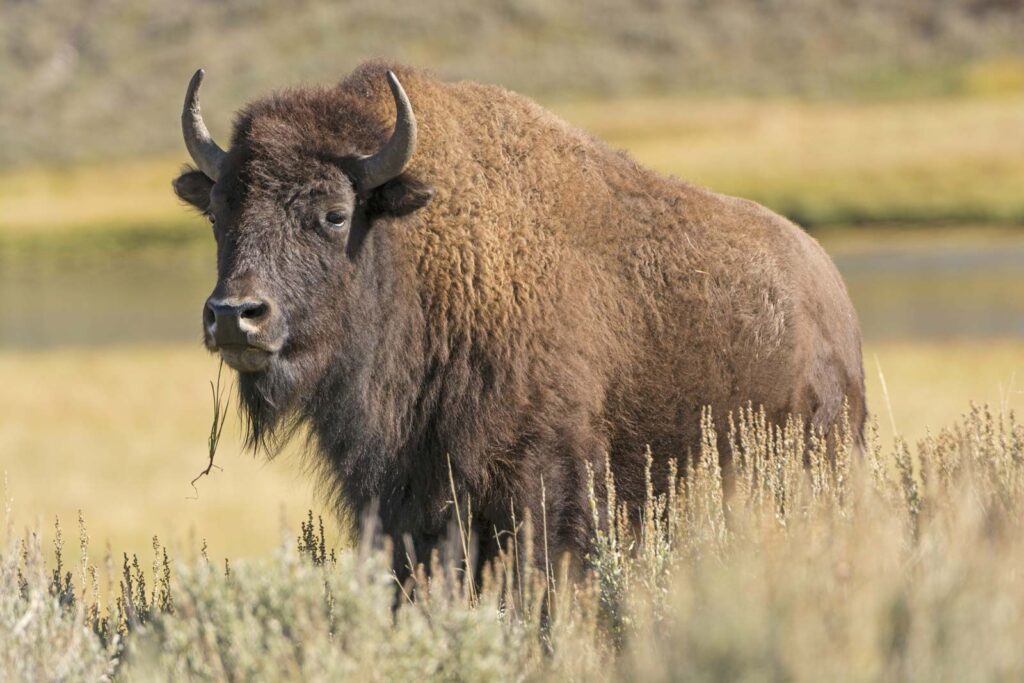
WASHINGTON, July 14 — The figure that matters: 30 million bison in 1800, fewer than 1,000 by 1890. That collapse — the near-extermination of the American bison — is a story the transcontinental railroad wrote in commerce. By the numbers, the math is brutal.
An estimated 30 million bison roamed the Great Plains at the start of the 19th century. Commercial hunters killed them for hides that sold for $3.50 each, and for sport.
The railroad provided the transportation that made this slaughter industrial-scale. It also allowed the U.S. Army to supply forts and troops who protected railroad workers and settlers pushing west. And it enabled the shipment of bison bones eastward, where they were used for fertilizer.
The bottom line: the railroad didn’t just speed up the bison’s destruction — it made it possible to monetize every piece of the animal, from hide to bone.
The mechanism of destruction
The transcontinental railroad cut across the heart of bison territory. For Plains tribes — the Lakota, Cheyenne, Arapaho, and Comanche — the bison were a primary food and material source. The loss of the herds didn’t just mean starvation; it meant the collapse of an entire way of life.
A single hide sold for $3.50. The bones shipped east for fertilizer added another revenue stream.
The railroad carried both the hunters to the herds and the products to market. The U.S. government’s policy of assimilation accelerated the land loss. The Dawes Act of 1887 broke up tribal lands into individual allotments, further reducing what remained of Native American territory.
Treaties and displacement
The Fort Laramie Treaty of 1868 established the Great Sioux Reservation. The Medicine Lodge Treaty of 1867 had similar effects for southern Plains tribes. These agreements were supposed to guarantee land and hunting rights.
Instead, as the bison disappeared, the treaties became instruments of confinement. The railroad also brought settlers who broke up the grasslands for farming and ranching.
This further displaced tribes who had relied on the open range for hunting and seasonal movement. The combination — loss of the bison, loss of the land, loss of mobility — forced Native Americans onto reservations. The figure that matters for today: fewer than 1,000 bison remained by 1890.
Conservation efforts have brought the number back, mostly on private ranches and public lands. But the ecological and human damage of that 90-year slaughter is still being measured.
What to watch next: ongoing tribal efforts to restore bison herds to reservation lands, and the federal government’s role in supporting or hindering those efforts. The railroad’s legacy — both the economic integration it enabled and the destruction it caused — remains a live issue in Plains states.
Sources
{“@context”: “https://schema.org”, “@type”: “NewsArticle”, “headline”: “Railroad’s Role in Bison Extermination, Native Displacement, 1869-1890”, “description”: “WASHINGTON, July 14 — The figure that matters: 30 million bison in 1800, fewer than 1,000 by 1890. That collapse — the near-extermination of the…”, “datePublished”: “2026-07-14T09:30:00+00:00”, “author”: {“@type”: “Person”, “name”: “Ava Anderson”}, “publisher”: {“@type”: “Organization”, “name”: “InfoPulse Today”, “url”: “https://newsfeed.infopulsetoday.com/”}, “citation”: [{“@type”: “CreativeWork”, “url”: “https://en.wikipedia.org/wiki/American_bison”}]}




