
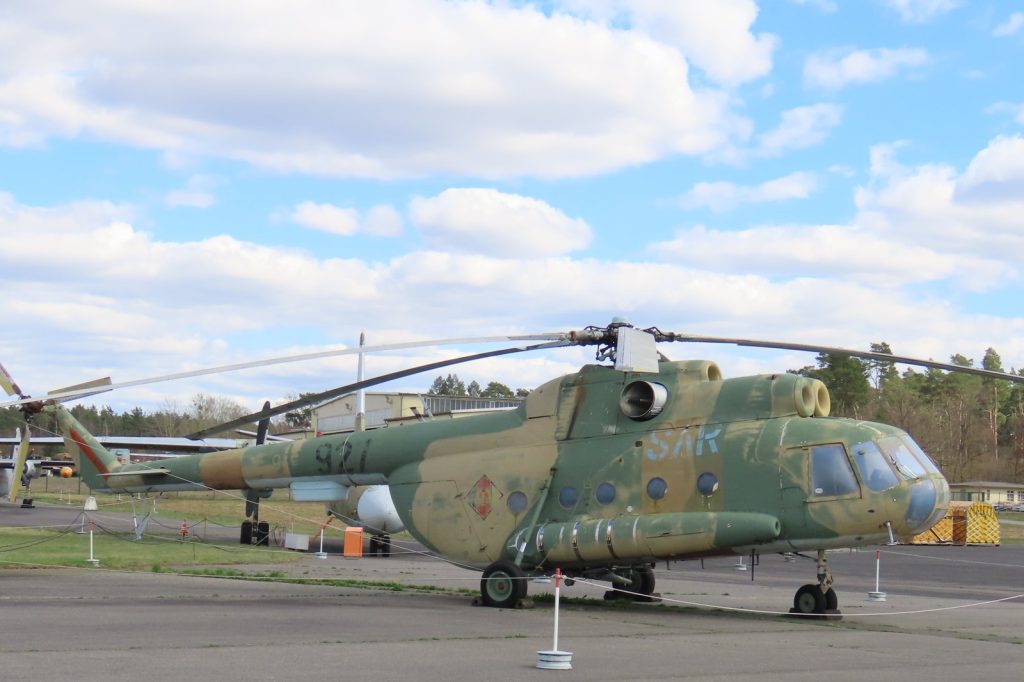
Kamchatka Peninsula, September 1, 2024 — cybernewschronicle.com — The wreckage of a Russian Air Force Mil Mi-8T helicopter has been found on the Kamchatka Peninsula. The aircraft went down on August 31. Now the focus shifts to what happens next — and the risks that wreckage carries.
Kamchatka is not just any crash site. It is one of Russia’s most remote and environmentally sensitive regions.
Unique wildlife and fragile ecosystems define the landscape. A crashed helicopter, leaking fuel and hydraulic fluids, does not belong there. The Russian Aerospace Forces are investigating the cause of the accident.
But the environmental question will not wait for their final report. The Mil Mi-8T is a workhorse of the Russian military.
Thousands have been built. They fly everywhere. That ubiquity means the wreckage contains standard-issue materials — metals, composites, petroleum products.
In a city or an airfield, that is manageable. In the Kamchatka wilderness, it is a hazard. The ground is cold.
Decomposition is slow. Spilled fuel can persist for years.
The Russian government now holds a clear responsibility. The crash site must be cleaned up. Hazards must be mitigated.
That is not a small task. The peninsula is large, isolated, and difficult to access.
Getting heavy equipment to the location will be a logistical challenge. So will removing contaminated soil, if that is what the investigation demands. History offers some context.
The Soviet Air Forces operated in these same regions for decades. Accidents happened. Some sites were left.
Others were cleaned to an unknown standard. The modern Russian Aerospace Forces, formed in 2015 from the merger of the Air Force and the Aerospace Defence Forces, have their own procedures.
Whether those procedures are adequate for a place like Kamchatka is a question the public does not yet have an answer to. The crash also touches the human side of the region. Kamchatka is sparsely populated, but not uninhabited.
Indigenous communities, researchers, and military personnel live and work there. A crashed military helicopter in their backyard is not abstract.
It is a physical object that changes the landscape. It can affect water sources. It can disrupt animal movements.
It can draw scavengers to dangerous materials. There is also the matter of the investigation itself. The location of the wreckage is now known.
That is a step forward. But knowing where it is does not explain why it fell.
The Russian Aerospace Forces will examine the wreckage for mechanical failure, pilot error, or external factors. The findings will shape future maintenance and training. They may also shape public trust in the fleet.
The Kamchatka Peninsula is a place the world watches. Its volcanoes, its salmon runs, its brown bears — these are not just local treasures.
They are global assets. A crash site there is a test of how seriously Russia takes its environmental duties. The government says it will handle it.
The cleanup will be the proof. For now, the wreckage sits on the ground. The investigation proceeds.
The ecosystems remain exposed. The next steps belong to the Russian authorities.
The region waits. The wildlife does not know to wait. That is the hard truth of a crash in a place like this.




