
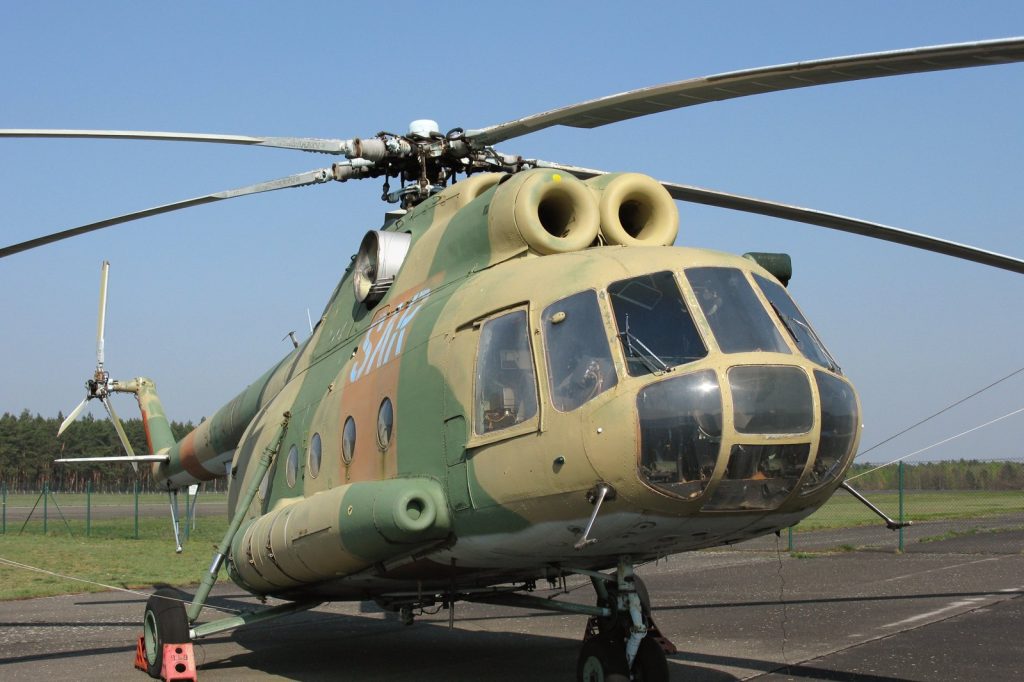
Authorities have located the remains of a Russian Air Force Mil Mi-8T helicopter that went down on August 31, according to recent reports. The wreckage was discovered across the Kamchatka Peninsula, a remote and ecologically significant area of Russia. The finding marks a key development in the aftermath of the incident, which occurred in one of the country’s most environmentally sensitive zones.
The Kamchatka Peninsula is recognized for its distinctive wildlife and fragile ecosystems. The location of the crash site is expected to play a central role in the investigation into what caused the accident.
Russian Aerospace Forces are currently examining the debris, with attention also turning to the possible environmental consequences of the crash. The Mil Mi-8T, a widely used transport and reconnaissance aircraft in the Russian military, may present hazards to the surrounding environment. Russian authorities face the responsibility of clearing the site and mitigating any risks, particularly given the region’s importance for biodiversity and natural habitats.
The Russian Air Force, now part of the Russian Aerospace Forces, traces its origins to the Imperial Russian Air Service established in 1912. Following the Russian Revolution, the Soviet Air Forces were formed in 1918 and played a significant role during World War II.
After the Soviet Union dissolved, the Russian Air Force was reestablished in 1992 and has since undergone extensive modernization. In 2015, it merged with the Russian Aerospace Defence Forces to create the current Russian Aerospace Forces, which oversee air and space operations. These forces are tasked with defending airspace, supporting ground and naval missions, and conducting reconnaissance and surveillance.
The Mil Mi-8T helicopter involved in the August 31 crash is a versatile model used for transport, reconnaissance, and other duties. Investigators are expected to examine multiple factors, including the aircraft’s condition, crew experience, and weather conditions at the time of the incident.
As the inquiry progresses, additional details regarding the crash’s cause and preventive measures are anticipated. This incident highlights the potential risks of human activity in fragile environments. The Kamchatka Peninsula’s unique ecosystem requires protection for future generations. Prioritizing environmental safeguards and reducing human impact through renewable energy, waste reduction, and sustainable practices can help maintain a healthy planet.
Looking ahead, the Russian Aerospace Forces will continue to play a key role in national security. The government is likely to enhance safety protocols to prevent future accidents.
The discovery of the wreckage represents a critical step, expected to lead to a comprehensive investigation and analysis of the event.




