
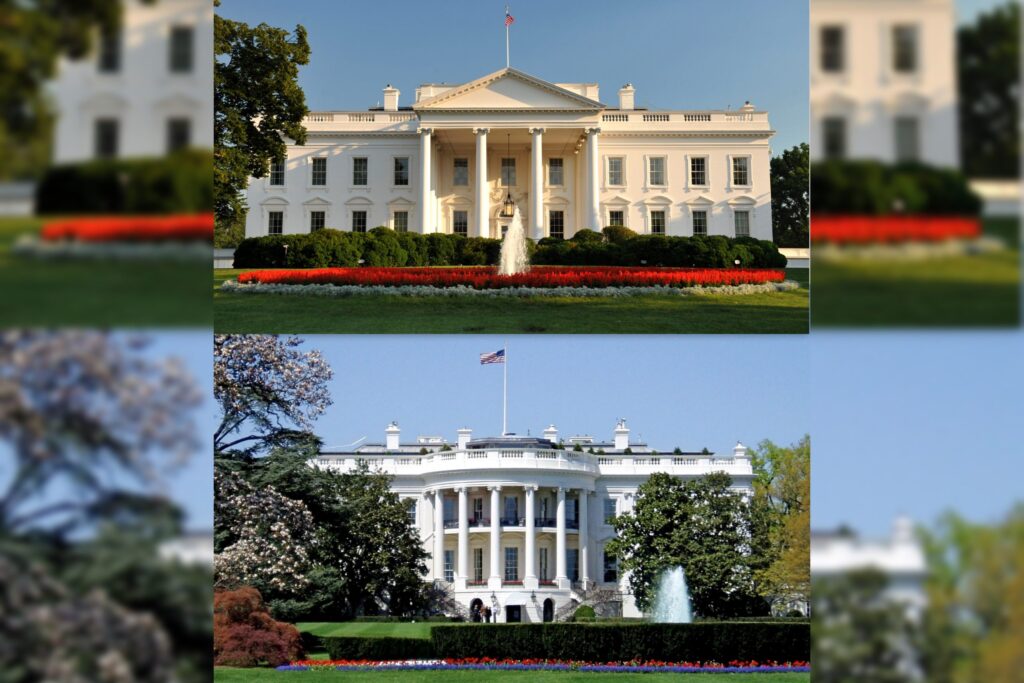
A new executive order from the White House could open the door for American companies to resume importing Venezuelan crude, a move that would mark a significant shift in U.S. energy policy and potentially alter global oil supply dynamics. The order, which would lift sanctions that have barred imports of Venezuelan crude since 2019, represents the first formal step toward restoring a commercial link that once provided a steady stream of heavy, sour crude to Gulf Coast refineries.
The practical impact, however, hinges on a range of factors, from the condition of Venezuela’s degraded oil infrastructure to the willingness of international oil companies to negotiate with the state-run enterprise Petróleos de Venezuela, S.A. (PDVSA).
From Boom to Bust: Venezuela’s Oil Paradox
Venezuela holds the world’s largest proven crude reserves, estimated at 303 billion barrels in the BP Statistical Review 2024. Yet the country’s actual production tells a starkly different story.
Output has collapsed from 3.2 million barrels per day in 2008 to just 400,000 barrels per day in 2024. That decline is rooted in decades of underinvestment and shifting priorities at PDVSA, the state oil company created in 1976 when the government nationalized foreign-held assets. For much of the 1980s and 1990s, PDVSA operated as a professional oil company, expanding production, maintaining infrastructure, and supplying refineries worldwide with heavy crude grades that few other producers could match.
Oil has long been Venezuela’s primary export and the main source of government income. After 2000, however, the company’s direction changed.
Revenues were increasingly redirected to social missions and political allies abroad, while maintenance budgets were trimmed and experienced staff left or were reassigned. By the mid-2010s, the effects were visible: aging fields, deferred investments, and a gradual decline in output. The U.S. policy response has alternated between engagement and pressure.
In 2019, the Trump administration imposed sanctions that barred imports of Venezuelan crude and froze PDVSA assets in the United States. The measure aimed to cut off a key revenue stream for the government but also removed a reliable supply source for Gulf Coast refiners accustomed to processing heavy Venezuelan crude.
Over the next five years, PDVSA’s production fell further as access to capital, technology, and export markets narrowed.
Market Implications and the Path Ahead
The new executive order would allow tankers to once again carry heavy Venezuelan crude to Gulf Coast refineries designed to process exactly that grade. Chevron Corporation, which previously held a joint venture with PDVSA, has expressed interest in resuming operations. Analysts at the Energy Information Administration have estimated that sanctions relief could add 200,000 barrels per day to global supply within six months. That volume, while modest in absolute terms, represents a 50 percent increase from Venezuela’s current baseline of 400,000 barrels per day.
The EIA projects the likely effect on prices would be a reduction of $2 to $5 per barrel, a meaningful shift in a market where traders track every marginal barrel. Gulf Coast refineries, built for heavy sour grades, have since substituted lighter, more expensive feedstocks since the 2019 ban.
A resumption of Venezuelan flows would realign those supply chains, potentially easing prices and restoring a long-standing commercial link. The executive order is the first step. The next involves whether Chevron and other companies can negotiate terms with PDVSA, and whether the state firm can actually deliver the crude.
Production has fallen so far that even a modest increase of 200,000 barrels per day would be significant. But the bar for success is low, and the operational challenges remain high.
The actual outcome depends on how quickly PDVSA can bring idled wells back online and whether the infrastructure, badly degraded after years of underinvestment, can handle the restart. The durability of any shift will also depend on Washington’s willingness to sustain the new policy course. Oil markets remain finely balanced, and any change in Venezuelan exports can shift global balances because the country’s heavy crude fills a distinct niche in refining systems.
{“@context”: “https://schema.org”, “@type”: “NewsArticle”, “headline”: “White House order may allow U.S. to resume Venezuelan crude imports”, “description”: “CARACAS, July 12 — A new executive order from the White House could open the door for American companies to resume importing Venezuelan crude, a…”, “datePublished”: “2026-07-12T09:30:00+00:00”, “author”: {“@type”: “Person”, “name”: “Arjun Mehta”}, “publisher”: {“@type”: “Organization”, “name”: “InfoPulse Today”, “url”: “https://newsfeed.2bme.xyz/”}}




