
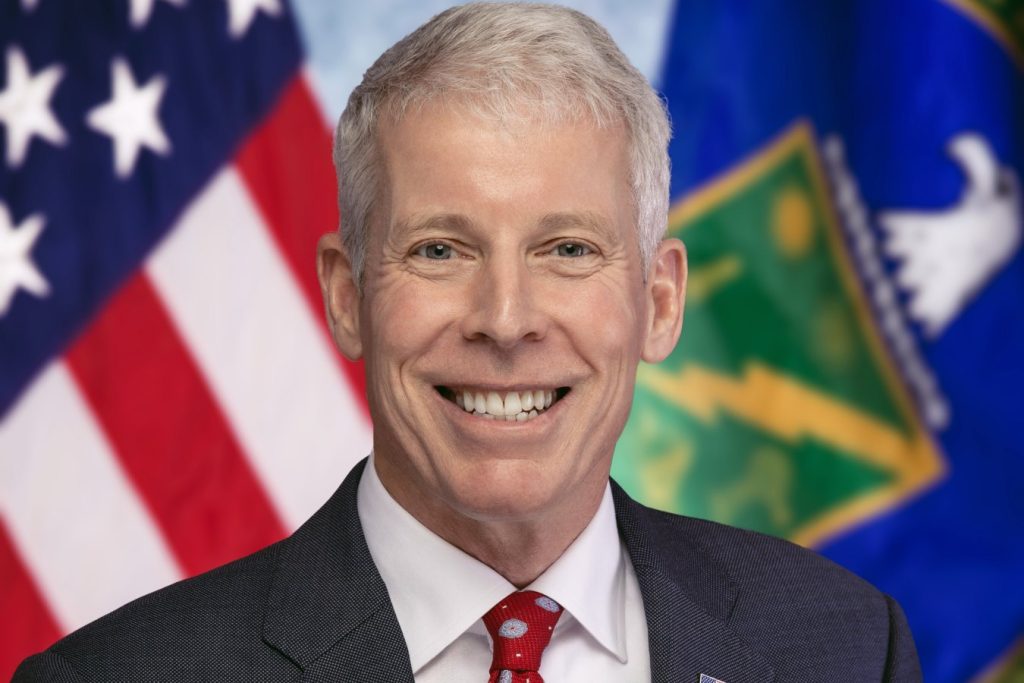
“It’s still a detailed assessment, but I think it will be measured in days.” That was U.S. Energy Secretary Chris Wright on Tuesday, September 15, 2026, speaking to CNBC on the sidelines of a G20 energy meeting in Houston. He was talking about the East-West Pipeline, the line that carries Saudi crude across the Arabian Peninsula, and which Riyadh had shut late the previous week.
Not everyone agrees with the timetable.
What happened to the line
Reuters reported that the kingdom closed the pipeline temporarily after attacks by Iran-aligned groups. A satellite image released by Vantor shows damage from a strike on September 11. CNBC reported that the shutdown followed drone attacks launched from Iraq, and that independent analysts, looking at satellite images of a badly damaged pumping station, believe the line could stay down for weeks. Saudi Arabia has given neither a damage assessment nor a date for restart, CNBC said.
Sources who spoke to Reuters gave different estimates. One said repairs could take as long as five to six weeks. Another said the line might resume pumping partially while crews keep working.
Why this one pipe matters
Think of the East-West Pipeline as the only open side door in a building whose front entrance is blocked. The 1,200-km (745-mile) line has been the main route for Middle Eastern oil leaving the region for the past six months, because the Strait of Hormuz between Iran and Oman has been largely shut by the Iran war, Reuters said. It had been moving 4 million to 5 million barrels per day, or 4% to 5% of global supply. That kept Saudi Arabia out of the worst of the disruption that has crippled other Gulf oil and gas exporters.
With the line down, Wright said, the Saudis took “quick action” to push more oil out through Hormuz with help from the U.S. military. CNBC described the route: American forces have carved out a path along Oman’s coast, and Gulf exports through the strait have risen, though they remain well below pre-war levels. It is still a dangerous trip. Iran continues to attack tankers, and the United Kingdom Maritime Trade Operations Centre logged at least two vessels hit in Hormuz since Saturday.
The market reaction
Oil slipped on Wednesday as the Trump administration tried to calm traders. By 8:57 a.m. ET, U.S. West Texas Intermediate futures were down 1.6% at $104.09 per barrel, and Brent, the international benchmark, was down 1.1% at $107.57. Both are still far higher than a month ago: prices have climbed around 20% this month as fighting in the Persian Gulf escalated, CNBC reported.
Washington has so far declined Saudi requests for direct military intervention beyond intelligence support, three sources told Reuters on Monday. President Donald Trump said over the weekend that he had spoken with Crown Prince Mohammed bin Salman, and that the Houthis, who have fired missiles and drones at the kingdom from Yemen, had also contacted Washington asking it to stay out of the conflict.
Sources
- US energy chief says Saudi Arabia oil pipeline should be back online within days | The Straits Times
- Oil prices fall after U.S. says damaged Saudi pipeline will restart operations in days | CNBC Africa




