
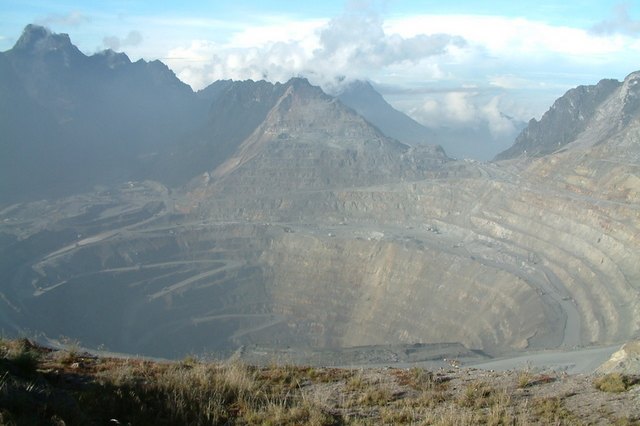
On October 5, 2025, American mining giant Freeport‑McMoRan confirmed that the seven employees who vanished after a mudslide at the Grasberg operation in Central Papua, Indonesia, have been recovered deceased. Recovery crews located the remaining bodies, ending the search that began when the sudden flow of mud swept through the remote site. The tragedy has triggered an official inquiry into the mudflow’s origins and the safety measures in place at the mine.
Grasberg, one of the world’s largest gold‑and‑copper complexes, has been under Freeport‑McMoRan’s control since 1967. Its isolated setting and intricate geological structure have long presented operational challenges, factors now under closer scrutiny as investigators piece together what led to the fatal incident.
While the focus remains on the circumstances that caused the mudslide, the event also revives broader concerns about mining safety and environmental stewardship. The industry’s history includes numerous accidents and ecological damage, underscoring the necessity for stringent safety protocols and sustainable practices. Mining continues to be a cornerstone of the U.S. economy; in 2015, the sector’s output of coal, metals and industrial minerals was valued at $109.6 billion, and it directly employed more than 158,000 workers. Yet the economic benefits must be weighed against potential social and environmental costs.
In the United States, practices such as mountaintop removal and the issue of acid‑mine drainage have sparked debate over the long‑term viability of current mining methods. As global demand for minerals and metals rises, the pressure on the industry to adopt responsible, low‑impact techniques intensifies.
Transitioning to renewable energy sources—solar, wind and other clean power—offers a pathway to reduce reliance on fossil fuels, lower operating expenses, and improve energy security by mitigating price volatility and supply disruptions. Industry analysts argue that embracing cleaner technologies is not only an environmental imperative but also a competitive advantage. Companies that invest in renewable energy and modernized, safer infrastructure are better positioned to meet regulatory expectations and public scrutiny.
The ongoing investigation at Grasberg will seek to determine the precise triggers of the mudflow and to recommend preventive steps. Findings are expected to influence future safety standards, both at Freeport‑McMoRan’s facilities and across the wider mining sector.
Stakeholders emphasize that safeguarding workers and protecting surrounding ecosystems must be integral to any mining operation. Lessons drawn from the Grasberg incident could drive innovations in monitoring, early‑warning systems, and emergency response planning, helping to avert similar tragedies. Looking ahead, the mining community stands at a crossroads.
The need to supply raw materials for economic growth must be balanced with a commitment to environmental responsibility and community well‑being. Collaboration among companies, governments, and local groups, coupled with investment in sustainable technologies, is seen as essential for charting a path toward a safer, greener future.
The loss of seven lives at Grasberg serves as a stark reminder of the inherent risks in extracting the earth’s resources. It also reinforces the call for continuous improvement in safety culture and for the adoption of practices that minimize ecological footprints, ensuring that the industry can meet the demands of tomorrow without compromising the health of people or the planet.




