
JAKARTA — Recovery operations at the Grasberg mine in Central Papua, Indonesia, have concluded with the discovery of the final missing worker, bringing the death toll to seven. Freeport-McMoRan, the Phoenix-based operator of the mine, confirmed on October 5, 2025, that all bodies have been recovered.
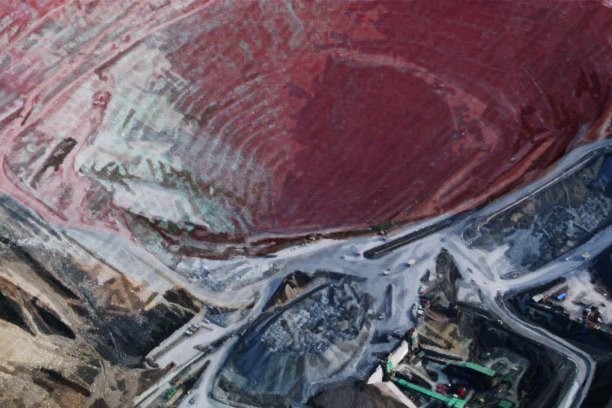
An investigation into the incident is now underway. The mudflow struck without clear prior indication, though questions are being raised about whether existing warnings were sufficient. The mine, one of the world’s largest sources of gold and copper, features an open pit measuring a mile wide and a network of tunnels through remote, mountainous, and geologically unstable terrain.
Freeport-McMoRan has operated the site for 58 years, raising scrutiny over whether the company could have predicted, prevented, or mitigated the disaster. This incident highlights broader challenges within the mining industry.
In the United States alone, the value of coal, metals, and industrial minerals mined in 2015 reached $109.6 billion, supporting over 158,000 direct jobs. Global demand for minerals—copper for wiring, gold for electronics and jewelry—persists despite such tragedies. However, the costs are evident: mountaintop removal in Appalachia, acid mine drainage in Pennsylvania and West Virginia, and, in Indonesia, large-scale operations that leave both environmental scars and human casualties.
The Grasberg mine has long been a source of tension. Local communities have protested its environmental impact, while the Indonesian government has navigated the balance between revenue and regulation.
Freeport-McMoRan has emphasized the economic benefits and job creation the mine provides. None of this alters the outcome of October 5: seven workers missing after a mudflow, now confirmed dead, with families notified and an investigation launched. The broader context extends beyond one mine. The mining industry has a history of safety incidents and environmental degradation, often linked.
When companies push into difficult terrain under pressure, testing safety protocols against geology, weather, and human error, failures occur. The demand for minerals—including those needed for renewable energy technologies like solar panels, wind turbines, and electric vehicles—continues to rise.
This creates a contradiction: the same industry supplying materials for a cleaner energy future also produces mudflows, tailings dam failures, and worker deaths. The investigation at Grasberg will examine the mudflow’s circumstances, the mine’s safety protocols, and whether different actions could have been taken. These are necessary but narrow questions.
The broader challenge—balancing global appetite for minerals against human and environmental costs—has no easy answer. In Central Papua, that challenge resulted in seven deaths.
The search is over, but the digging continues.




