
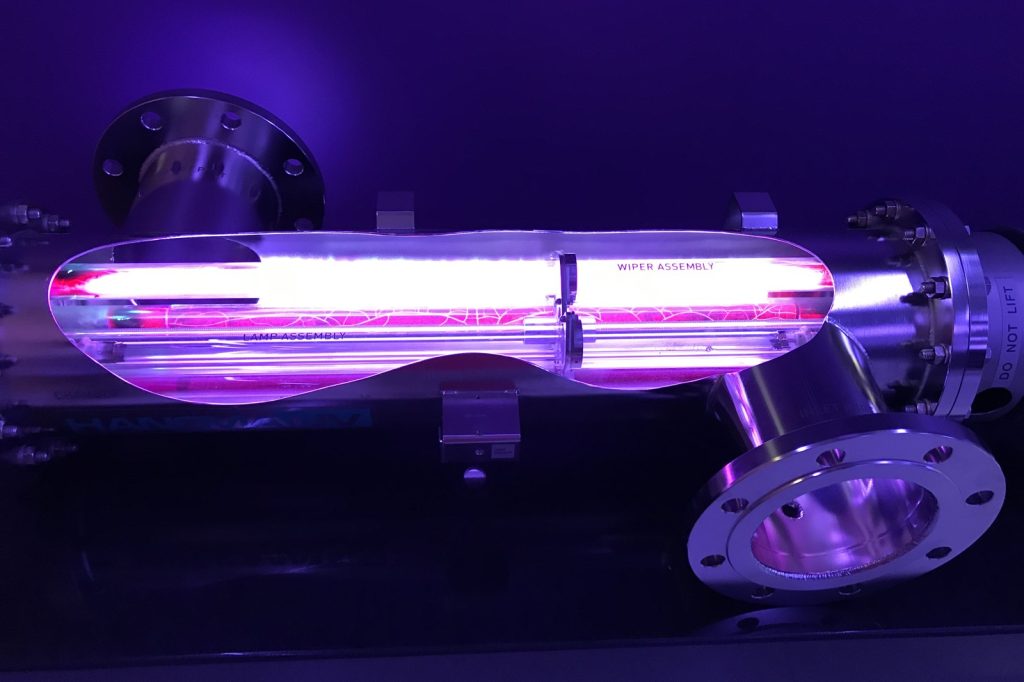
SINGAPORE, July 14 — For all the noise that surrounds water scarcity, the salient point from Singapore’s experience is this: the technology to solve it already exists, and it has been running at industrial scale for over two decades. The city-state’s NEWater programme, which began in 2000, produces reclaimed water from treated wastewater using a multi-stage process of microfiltration, reverse osmosis and ultraviolet disinfection. The first plant opened in 2003 at Bedok, with a capacity of 32,000 cubic metres per day.
As of 2023, five such plants were in operation, supplying up to 40 percent of Singapore’s total water demand. The national water agency, PUB, which was established in 1963, manages the programme.
The economics are notable. NEWater costs about $0.30 per cubic metre, which is lower than desalinated water. This cost advantage has made it an attractive option for industrial users and for air-conditioning purposes, which account for the bulk of consumption.
A small portion is also blended into raw water reservoirs for indirect potable use. The United Nations Environment Programme has cited Singapore as a model for water-scarce urban areas.
The technology has also been exported to countries including China, the United States and Australia.
From necessity to export
Singapore’s approach was born of a hard constraint: limited natural water resources and a growing population. The PUB’s strategy has been to treat water as a resource to be managed in a closed loop rather than a commodity to be imported. The advanced membrane technologies used in NEWater were not invented in Singapore, but the country has arguably become the most systematic adopter of them at urban scale.
The projection is that by 2060, NEWater will meet 55 percent of the country’s water demand. That figure, if realised, would represent a significant shift in how a major city sources its water.
It would also mean that more than half of Singapore’s water supply comes from what was, not long ago, wastewater.
What to watch next
The question now is whether other water-stressed cities will follow the same path. The export of the technology to China, the United States and Australia suggests interest is real, but scaling up remains a challenge. Singapore’s advantage is its size and the centralised control exercised by the PUB.
Larger, more fragmented urban areas may find the political and logistical hurdles higher. For now, the numbers speak for themselves.
Five plants, 40 percent of demand, a cost below desalination, and a UN endorsement. It would seem the model works.




