
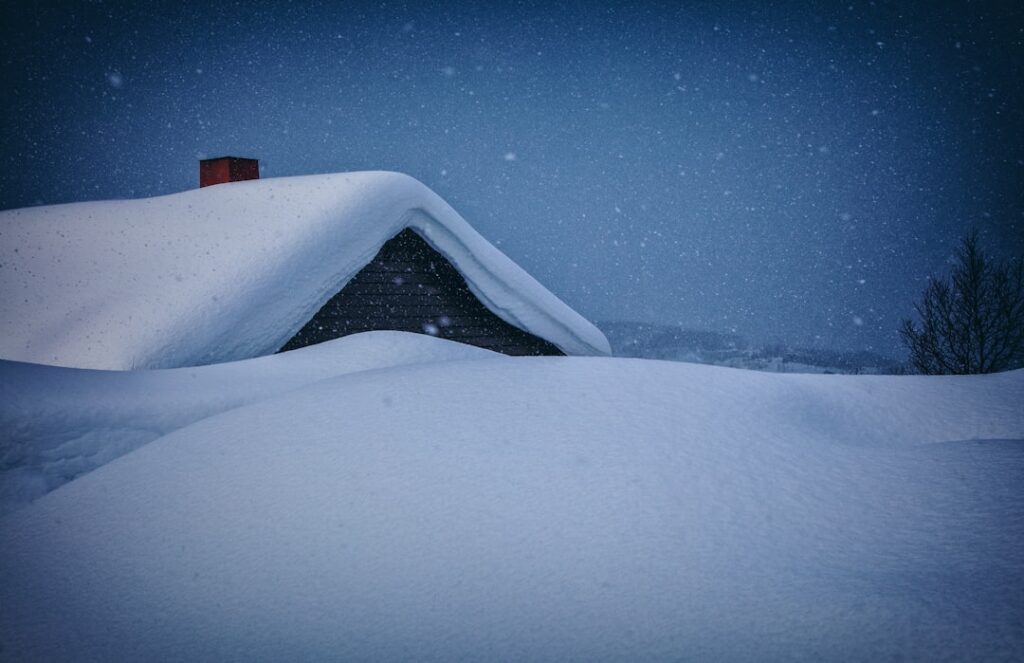
Severe snowstorms that struck Afghanistan and Pakistan on January 14, 2020, resulted in at least 54 deaths, revealing critical weaknesses in infrastructure across both nations already burdened by conflict and poverty. The fatalities were split unevenly between the two countries, with 24 deaths reported in Afghanistan and 30 in Pakistan.
The causes of death differed significantly between the two nations. In Afghanistan, a combination of snowfall and rain proved deadly. In Pakistan, the primary cause was roof collapses under the weight of heavy snow.
This distinction highlights a predictable consequence of regional building practices, where flat roofs and insufficient load-bearing materials are common in areas that rarely experience heavy snowfall. The United Nations Office for the Coordination of Humanitarian Affairs reported that highway closures affected both countries.
These closures have impeded the delivery of food and medical aid, as well as preventing government workers from reaching stranded families. In Kabul, temperatures dropped below 15 degrees Celsius, an unusually cold level for the winter season. Ahmad Tamim Azimi, spokesperson for the Afghan Natural Disaster Management Authority, stated that heavy snowfall and flash floods had caused substantial damage to infrastructure and homes.
His agency is working to provide assistance, though the closed highways have significantly slowed relief efforts. In Pakistan, conditions were particularly severe in some areas.
Temperatures fell to -14°C on Monday night. Heavy snowfall and strong winds nearly buried vehicles on national roads, leaving hundreds of passengers stranded on the streets of Balochistan. The exact number of stranded individuals was not specified in available reports. The snowy period in Kabul typically extends from December to March, but current conditions are more severe than usual.
Whether this represents a broader climate shift remains unclear from available data, though the pattern suggests more than a simple anomaly. The immediate toll includes at least 54 families in mourning.
Secondary consequences continue to unfold, including the need to rescue stranded passengers, repair damaged homes, and clear blocked highways. Food and assistance that the UN has identified as difficult to deliver must reach affected populations urgently. Afghanistan’s Natural Disaster Management Authority and Pakistan’s authorities are both working to respond.
However, progress against snow, ice, and collapsed roofs remains slow. The road closures, combined with low temperatures, raise the possibility that the death toll could increase if rescue efforts face further delays.
The available reports provide no timeline for recovery and no estimate of the number of homes destroyed. Known figures remain limited to 54 dead, sub-freezing temperatures, closed highways, and stranded passengers. While the physical forces behind this event include snow, cold, and gravity, the factors determining future casualties are human: response speed, road conditions, and roof strength.




